 24X7
24X7
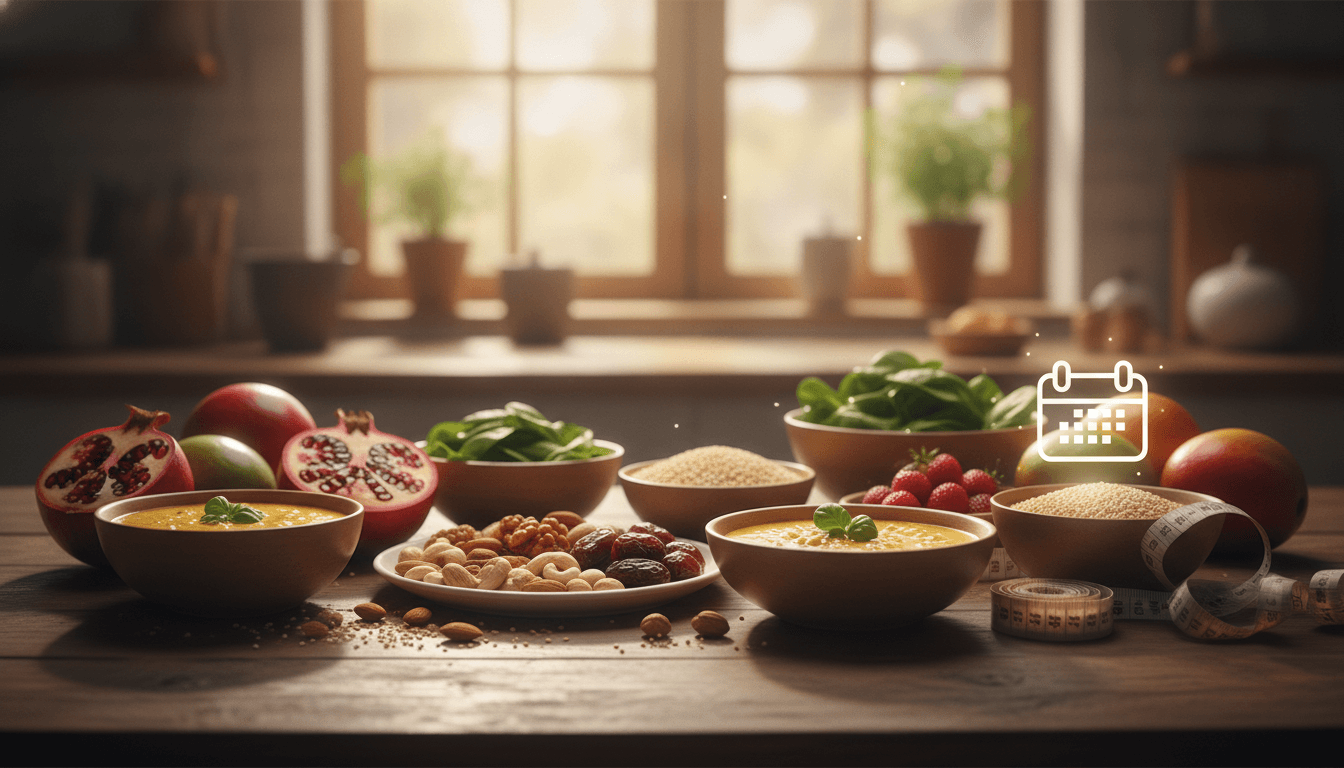
Explore a month-by-month pregnancy diet plan with healthy Indian foods, trimester-wise nutrition, vegetarian meal options, foods to avoid, essential nutrients and practical tips to support a healthy pregnancy and maternal well-being.
Pregnancy brings many changes to the body, and nutrition becomes an important part of supporting both maternal health and the baby's growth. However, a healthy pregnancy diet plan does not mean eating twice as much or following a rigid menu every day. It is about choosing a variety of nutritious foods, maintaining adequate hydration, and adjusting meals according to changing needs and medical advice.
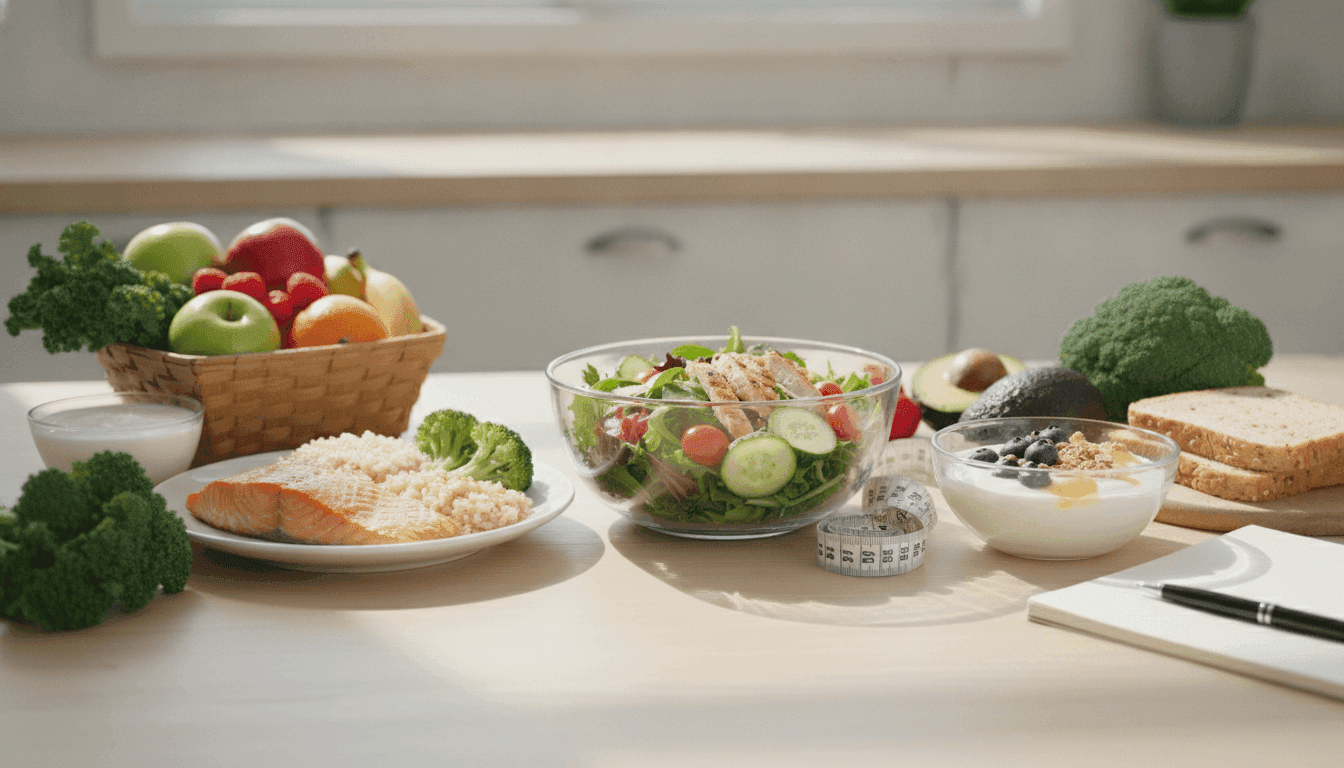
A balanced pregnancy diet should provide enough protein, healthy fats, carbohydrates, vitamins, minerals and fibre. Nutrients such as folate, iron, calcium, vitamin D, iodine, choline and omega-3 fatty acids have important roles during pregnancy. A varied diet built around vegetables, fruits, whole grains, pulses, dairy or suitable alternatives, nuts, seeds and appropriate protein sources can help meet these nutritional needs.
The right diet can look different for every pregnant woman. Factors such as nausea, diabetes, anaemia, thyroid conditions, food allergies and weight changes may require personalised guidance from a Gynaecology & Obstetrics specialist during pregnancy.
This guide explains how nutritional priorities can change across the three trimesters and how you can build a practical 9 month pregnancy diet plan using familiar Indian foods.
Why Is Nutrition Important During Pregnancy?
During pregnancy, the body needs additional nutrients to support the growing fetus while also maintaining the mother's health. A nutrient-rich diet can help provide the building blocks needed for fetal growth and support changes such as increased blood volume and tissue development.
Rather than focusing on individual "superfoods," it is more useful to look at the overall quality and variety of your diet. WHO recommends a diverse intake that includes vegetables, fruits, whole grains, legumes, nuts and appropriate animal-source foods, along with supplements such as iron and folic acid when advised by a healthcare professional.
What Should a Balanced Pregnancy Diet Plan Include?
A practical balanced diet plan for pregnancy should contain foods from several groups throughout the day.
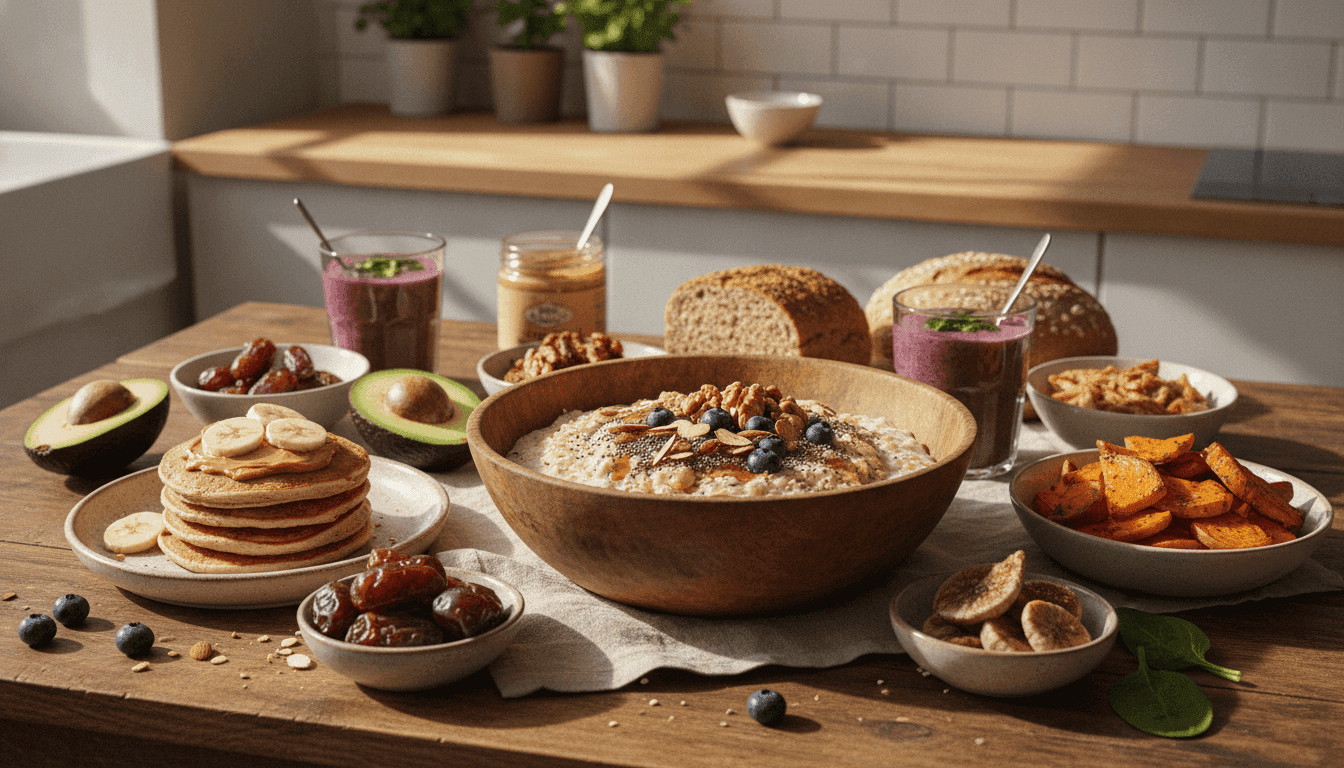
Protein: Include dal, rajma, chana, beans, paneer, curd, milk, eggs, fish, chicken, tofu, soy products, nuts and seeds according to your dietary preferences.
Whole grains and carbohydrates: Roti made from whole wheat or other suitable grains, brown rice, oats, millets, quinoa and other whole-grain options can provide energy and fibre.
Vegetables and fruits: Try to include different colours and varieties rather than depending on only one or two fruits or vegetables. Leafy greens, carrots, beans, pumpkin, tomatoes, citrus fruits, apples, guava, berries and other seasonal produce can contribute different nutrients.
Healthy fats: Nuts, seeds, nut butters, avocado and suitable cooking oils can provide beneficial fats. Omega-3 fatty acids are also important during pregnancy, and appropriate sources can be discussed with your doctor or dietitian.
Dairy or alternatives: Milk, yoghurt, curd, paneer and suitable fortified alternatives can contribute calcium, protein and other nutrients.
Month 1: Focus on Early Pregnancy Nutrition
The first month can bring a mixture of excitement and uncertainty. Some women may not yet have significant symptoms, while others may already experience tiredness, nausea or changes in appetite.
At this stage, focus on establishing good eating habits rather than trying to increase food intake substantially. Include folate-rich foods such as leafy vegetables, beans, lentils and fortified foods, while following your healthcare provider's advice regarding folic acid supplementation. WHO recommends daily iron and folic acid supplementation during pregnancy as part of antenatal care.
If nausea makes large meals difficult, smaller portions spread throughout the day may be easier to tolerate. Keep simple foods available and drink fluids regularly.
Month 2: Managing Nausea and Maintaining Nutrition
For many women, nausea can become more noticeable around this stage. Food smells, rich meals and long gaps between meals may make symptoms harder to manage.
Instead of forcing yourself to eat large meals, try smaller meals and snacks that you can tolerate. Plain roti, toast, rice, dal, curd, bananas, fruit, lightly prepared vegetables or other familiar foods may be easier for some women.
Hydration is also important. If drinking a large amount at once makes nausea worse, taking smaller amounts of water more frequently may be easier. Persistent vomiting or difficulty keeping fluids down should be discussed with a healthcare professional.
Month 3: Building a Nutrient-Dense Routine
As the first trimester comes to an end, the focus remains on variety and adequate nutrition. Continue including protein with meals, fruits and vegetables, whole grains and appropriate sources of calcium and healthy fats.
Iron becomes particularly important during pregnancy because the body needs it to support increased blood production. Foods such as lentils, beans, chickpeas, leafy greens, fortified cereals and appropriate animal-source foods can contribute iron. Vitamin C-rich foods can also be included alongside plant sources of iron.
If blood tests show anaemia or another deficiency, your doctor may recommend supplements. Do not increase supplement doses on your own.
Month 4: Nutrition During the Second Trimester
The second trimester may bring changes in appetite and energy levels. As the pregnancy progresses, meals should continue to provide adequate protein, fibre and micronutrients without becoming unnecessarily heavy or calorie-dense.
A simple Indian meal can include whole-grain roti or rice, dal or another protein source, cooked vegetables, curd and a serving of fruit. Snacks can include nuts, roasted chana, fruit, yoghurt or other nutritious options.
Calcium and vitamin D remain important during pregnancy, particularly for bone development and maternal health. ACOG identifies calcium, vitamin D, iron, folic acid, choline and omega-3 fatty acids among the nutrients that deserve attention during pregnancy.
Month 5: Add Variety and Fibre
By the fifth month, constipation or digestive discomfort may become a concern for some women. Fibre-rich foods and adequate fluids can support healthy digestion. Include vegetables, fruits, whole grains, pulses, beans and nuts as tolerated. Nutrition and Dietetics guidance can also help you adjust your meals according to your changing nutritional requirements during pregnancy.
Include vegetables, fruits, whole grains, pulses, beans and nuts as tolerated. Increasing fibre gradually can be more comfortable than making a sudden major change in your diet.
Protein should remain part of your regular meals. Vegetarian women can combine foods such as dal, beans, chickpeas, dairy, soy, nuts and seeds to create a varied protein intake.
Month 6: Supporting Growth With Balanced Meals
The baby's growth continues rapidly, while the mother's nutritional requirements remain important. Instead of relying heavily on sweets, fried snacks or refined carbohydrates, build meals around nutrient-rich foods.
For example, a meal could include roti, dal, seasonal vegetables, curd and a small portion of nuts or seeds. A non-vegetarian meal may include appropriately prepared eggs, chicken or low-mercury fish along with vegetables and whole grains.
The objective is not to follow a "perfect" diet every day. Consistency, variety and food safety are more useful goals.
Month 7: Third-Trimester Nutrition
The third trimester can bring increased physical discomfort, heartburn, constipation and changes in appetite. Large meals may feel uncomfortable as the pregnancy progresses.
Smaller, balanced meals can sometimes be easier to manage. Avoid lying down immediately after eating if you experience reflux, and discuss persistent or severe symptoms with your doctor.
Continue focusing on protein, iron, calcium, fibre, fruits and vegetables. Your healthcare provider may also monitor your haemoglobin, blood sugar and other health markers and adjust nutritional recommendations accordingly.
Month 8: Preparing for the Final Weeks
During the eighth month, maintaining regular meals and adequate fluid intake remains important. Meals do not need to become complicated.
Simple home-cooked foods such as dal, roti, rice, vegetables, curd, paneer, eggs, appropriately prepared meat or fish, fruit and nuts can form part of a healthy routine.
If swelling, blood pressure problems, gestational diabetes, anaemia or another pregnancy complication has been identified, your diet may need specific modifications. Follow the recommendations provided by your maternity care team rather than using a generic diet chart.
Month 9: Nutrition Before Delivery
The final month is a time to maintain nourishment rather than experiment with restrictive diets or unproven food practices.
Continue eating regular balanced meals and drinking enough fluids. Keep nutritious snacks available, particularly if appetite is reduced because of discomfort or the pressure of the growing uterus.
There is no universal food that can guarantee an easier delivery. Be cautious about following online advice that recommends specific herbs, supplements or foods to induce labour without medical guidance.
Indian Vegetarian Diet Plan for Pregnancy
A vegetarian pregnancy diet can provide adequate nutrition when it is planned thoughtfully.
A typical day might include vegetable poha or upma with curd for breakfast, fruit or nuts as a mid-morning option, dal with roti, vegetables and curd for lunch, roasted chana or yoghurt as a snack, and khichdi, paneer/tofu with vegetables or dal with roti for dinner.
Vegetarian women should pay particular attention to nutrients such as iron, vitamin B12, protein, iodine, calcium and vitamin D. ACOG notes that vitamin B12 is particularly relevant for vegetarian diets, while the broader pregnancy diet should provide a range of essential nutrients.
If you follow a vegan diet or have significant dietary restrictions, speak with your healthcare provider or a registered dietitian about appropriate supplementation.
What About a Non-Vegetarian Pregnancy Diet?
Eggs, poultry and appropriately selected fish can provide protein and other nutrients during pregnancy.
Fish can also provide omega-3 fatty acids, but pregnant women should choose options that are lower in mercury and follow local food-safety recommendations. High-mercury fish should be avoided because mercury exposure can affect fetal development.
Meat, poultry, eggs and seafood should be properly cooked. Raw or undercooked animal foods can increase the risk of foodborne infections during pregnancy.
Foods to Include in a Pregnancy Diet Plan
A varied diet can include:
Dal, lentils and beans
Chickpeas, rajma and other pulses
Paneer, milk, curd and yoghurt
Eggs
Properly cooked chicken and other lean meats
Low-mercury fish
Whole wheat roti and other whole grains
Oats and suitable millets
Green leafy vegetables
Seasonal vegetables
Fresh fruits
Nuts and seeds
Nut butters
Tofu and other soy foods
Adequate water and other suitable fluids
The goal is to combine these foods across meals rather than trying to consume every item every day.
Foods and Drinks to Avoid or Limit During Pregnancy
Food safety becomes particularly important during pregnancy. Alcohol should be avoided, and caffeine should be limited according to medical guidance; MedlinePlus notes that less than 200 mg of caffeine per day is generally recommended for most pregnant people.
Avoid raw or undercooked meat, eggs, seafood and other foods that may carry harmful microorganisms. Unpasteurized milk and certain unpasteurized dairy products should also be avoided because of the risk of foodborne infection. Fruits and vegetables should be washed thoroughly.
Fish selection matters as well. Avoid fish known to contain high levels of mercury and follow current local recommendations for safer seafood choices.
Be cautious with herbal supplements, concentrated preparations and traditional remedies. "Natural" does not automatically mean safe during pregnancy, and some products can interact with medicines or have unwanted effects.
How Much Water Should You Drink During Pregnancy?
Hydration supports many normal processes during pregnancy and can also help with constipation and general wellbeing.
Instead of focusing only on a fixed number of glasses, pay attention to thirst, weather, activity level and your doctor's advice. Water should be your main source of hydration, while other fluids and water-rich foods can contribute as well.
If you have been advised to restrict fluids because of a particular medical condition, follow your healthcare provider's instructions rather than a general pregnancy guideline.
Should You Take Prenatal Vitamins?
Prenatal supplements can help meet nutrient requirements that may be difficult to achieve through food alone. However, the appropriate supplement and dose depend on your individual needs.
Folic acid and iron are particularly important during pregnancy, and WHO recommends iron and folic acid supplementation as part of antenatal care.
Do not combine multiple supplements without medical advice. Excessive intake of certain vitamins and minerals can also be harmful.
How Should You Manage Cravings During Pregnancy?
Food cravings are common, but they do not mean that every craving needs to become part of your daily diet.
If you crave something sweet, consider pairing a smaller portion with a nutrient-rich food. For example, fruit with yoghurt or nuts can be more filling than relying only on sweets or sugary drinks.
Similarly, occasional fried or highly processed food does not automatically make a diet unhealthy. The bigger picture of what you eat regularly matters more than one individual meal.
What If You Have Gestational Diabetes?
A standard pregnancy diet plan may not be appropriate if you have gestational diabetes.
Your meal pattern may need to be adjusted based on blood glucose readings, medication, activity level and your doctor's recommendations. Rather than eliminating carbohydrates completely, a healthcare professional can help you choose appropriate portions and combine carbohydrates with protein, fibre and healthy fats.
Do not follow a generic diabetes diet during pregnancy without discussing it with your maternity care team.
Can Exercise Be Part of a Pregnancy Nutrition Plan?
Nutrition and physical activity are both important parts of healthy pregnancy care, but exercise recommendations should be individualised.
For women with uncomplicated pregnancies, appropriate physical activity may be beneficial. However, the type and intensity of exercise should take into account the pregnancy, existing medical conditions and any restrictions provided by the obstetrician.
If you have bleeding, significant pain, dizziness, contractions or another concerning symptom during activity, seek medical advice.
Post Pregnancy Diet and Exercise Plan
Nutrition remains important after delivery, particularly while recovering from childbirth and, for mothers who breastfeed, supporting milk production.
After pregnancy, the goal should not be rapid weight loss. Meals should continue to include protein, whole grains, vegetables, fruits, healthy fats and adequate fluids.
Exercise can usually be introduced gradually, but the timing depends on the type of delivery, recovery and individual health. Your obstetrician can advise when it is appropriate to increase activity.
When Should You Speak to a Doctor or Dietitian?
A general diet guide cannot account for every pregnancy. You should seek personalised advice if you have:
Gestational diabetes
Anaemia or low haemoglobin
Thyroid disease
High blood pressure
Severe nausea or vomiting
Significant food allergies
Underweight or excessive weight gain
A vegetarian or vegan diet with nutritional concerns
Multiple pregnancy
Any pregnancy complication
Your healthcare provider can review your medical history, blood tests, weight changes and pregnancy progression before recommending dietary changes.
Conclusion
A healthy 9 month pregnancy diet plan does not have to be complicated or expensive. The most useful approach is to build meals around a variety of nutritious foods and adjust them as pregnancy progresses.
Indian meals can easily provide many of the nutrients needed during pregnancy through dal, beans, vegetables, fruits, whole grains, dairy, nuts, seeds and suitable animal-source foods. At the same time, food safety, appropriate supplementation and individual medical needs should not be overlooked.
Most importantly, there is no single perfect pregnancy diet plan that works for every woman. Your nutritional needs can change based on your health, pregnancy stage, activity level and medical history. Discuss your diet and supplements with your obstetrician or qualified dietitian for personalised guidance.
Get Personalised Pregnancy Nutrition Guidance
Every pregnancy is different, and your nutritional needs may change depending on your trimester, medical history, weight, blood test results and overall health. Instead of following a generic diet chart, consult an experienced healthcare professional for guidance suited to your individual pregnancy.
For pregnancy and maternity care at Healing Hospital, you can consult the healthcare team for appropriate guidance based on your individual needs.
For appointments and pregnancy-related guidance, contact the healthcare team today.
📞 Call: +91-9464343434, 01725088883
📧 Email: info@healinghospital.co.in
Book an appointment today and take a confident step towards a healthy pregnancy.
Frequently Asked Questions
1. What is a healthy pregnancy diet plan?
A healthy pregnancy diet plan should include a variety of vegetables, fruits, whole grains, pulses, protein-rich foods, healthy fats and suitable dairy or fortified alternatives. The exact plan should be adjusted according to your health, trimester and nutritional needs.
2. What should I eat during the first trimester of pregnancy?
During the first trimester, focus on folate-rich foods, protein, iron, fruits, vegetables and whole grains. If nausea makes eating difficult, smaller and more frequent meals may be easier to manage.
3. Is an Indian vegetarian pregnancy diet plan nutritionally adequate?
Yes, a well-planned vegetarian diet can provide most nutrients needed during pregnancy. Include dal, beans, paneer, curd, tofu, nuts, seeds, whole grains and vegetables, while paying particular attention to iron, vitamin B12, calcium, vitamin D and protein.
4. What foods should I avoid during pregnancy?
Avoid alcohol, raw or undercooked meat, eggs and seafood, unpasteurized dairy products and fish that are high in mercury. Caffeine should also be limited, and fruits and vegetables should be washed thoroughly before eating.
5. Do nutritional requirements change during each trimester?
Yes. Nutritional priorities remain broadly similar, but appetite, digestion and nutrient requirements can change as pregnancy progresses. Your doctor may also recommend specific supplements or dietary adjustments based on your health and test results.
6. Can I get a personalised pregnancy diet plan at Healing Hospital?
Healing Hospital can provide professional pregnancy and maternity guidance based on your individual health needs. A healthcare professional can consider your trimester, medical history, nutritional requirements and pregnancy-related conditions when advising you about diet.
7. Can Healing Hospital help if I have gestational diabetes during pregnancy?
Yes. If you have gestational diabetes, Healing Hospital can provide appropriate medical guidance and help you understand how your meals, blood glucose levels, medication and lifestyle may need to be managed during pregnancy.
8. Should I follow a pregnancy diet plan after delivery?
Yes. Nutrition remains important after childbirth, particularly for recovery and breastfeeding. A post-pregnancy diet should provide adequate protein, fruits, vegetables, whole grains, healthy fats and fluids, with dietary changes based on your individual needs.