 24X7
24X7
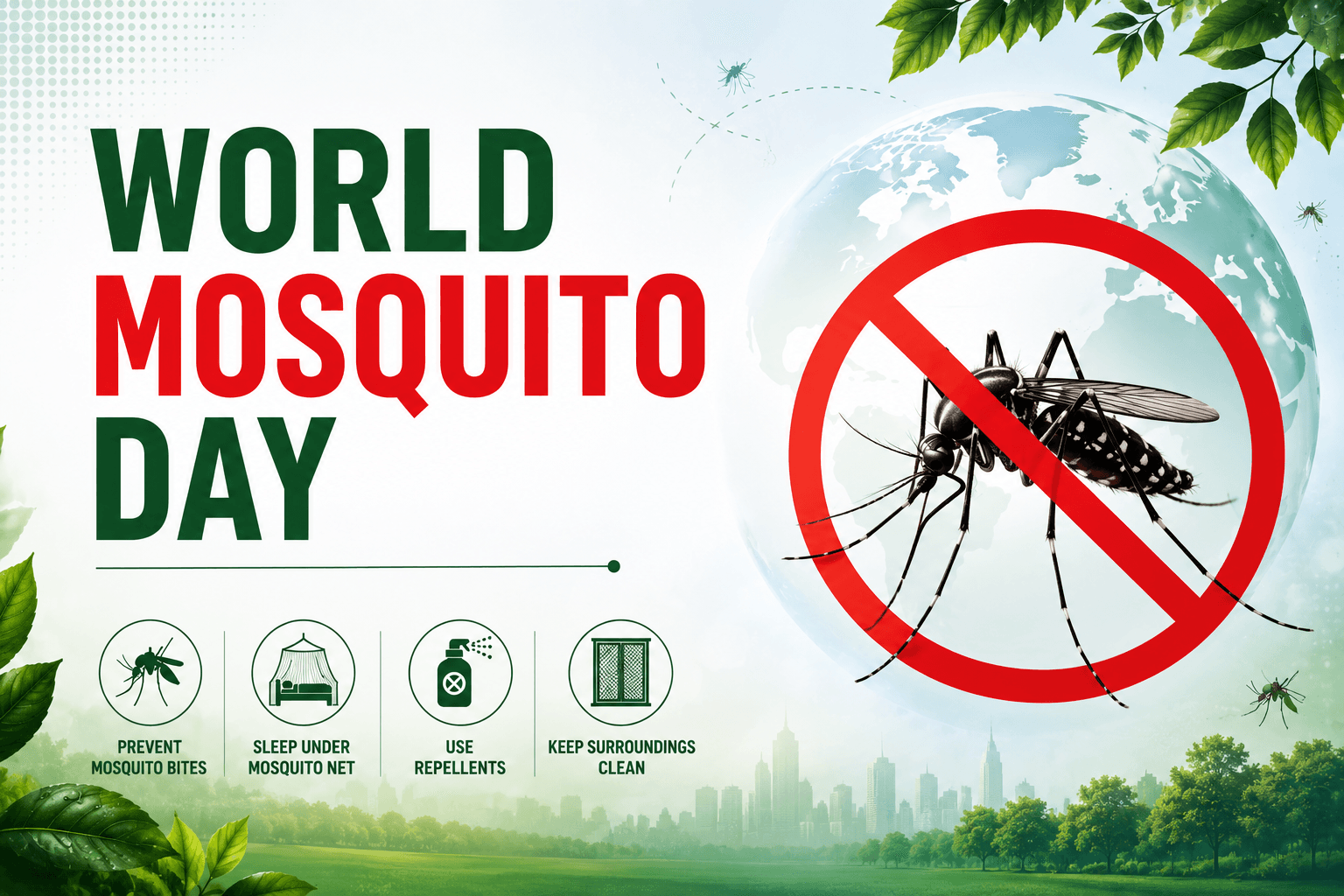
Learn about World Mosquito Day, malaria and other mosquito-borne diseases, their symptoms, warning signs and practical ways to prevent mosquito bites and protect your family.
A mosquito may look like a tiny nuisance, but certain mosquito bites can expose people to infections that require medical attention. Malaria, dengue and chikungunya are among the illnesses associated with mosquito transmission, and their symptoms can sometimes appear similar to other common infections.
World Mosquito Day, observed on 20 August, provides an opportunity to understand the connection between mosquitoes and human health. It is also a useful reminder that preventing mosquito-related illness involves more than using a repellent occasionally. Keeping surroundings clean, limiting mosquito exposure and recognizing concerning symptoms are all part of prevention.
The risk of mosquito-borne illness can change depending on the region, weather, season and local mosquito population. Warm and humid conditions can support mosquito activity, while uncovered containers and stagnant water can provide places for mosquitoes to reproduce.
Knowing what to look for when someone develops a fever can make a difference. Instead of assuming that every fever is a routine viral infection, it is important to consider recent travel, mosquito exposure and accompanying symptoms.
Table of Contents
What Is World Mosquito Day?
Why Is World Mosquito Day Important?
How Do Mosquitoes Spread Disease?
Anopheles Mosquitoes
Aedes Mosquitoes
Culex Mosquitoes
Which Diseases Can Mosquitoes Spread?
Malaria: Causes, Symptoms & Risks
Dengue: What You Should Know
Chikungunya and Other Mosquito-Borne Infections
Common Symptoms of Mosquito-Borne Diseases
Warning Signs You Should Never Ignore
Who Is at Higher Risk of Severe Illness?
How Are Mosquito-Borne Diseases Diagnosed?
How Can You Prevent Mosquito Bites?
Remove Standing Water
Use Mosquito Repellents
Protect Yourself at Home
Wear Protective Clothing
Can Mosquito-Borne Diseases Be Prevented During Travel?
What Should You Do If You Develop Symptoms?
Why Early Diagnosis Matters
Role of Healthcare in Mosquito-Borne Diseases
Mosquito-Borne Disease Awareness at Healing Hospital
When Should You See a Doctor?
Conclusion
Frequently Asked Questions
What Is World Mosquito Day?
World Mosquito Day is observed every year on 20 August. The day is associated with Sir Ronald Ross and his research into the role of mosquitoes in malaria transmission. Over time, the occasion has become an opportunity to discuss mosquito-related health risks more broadly.
Today, mosquito awareness includes several diseases rather than malaria alone. Depending on the species and region, mosquitoes can be involved in the transmission of malaria, dengue, chikungunya and other infections.
For families, the message is simple: mosquito control is part of protecting health. Reducing breeding areas and avoiding mosquito bites can lower exposure, while understanding warning signs can help people seek medical attention at the right time.
Why Is World Mosquito Day Important?
Mosquito-borne diseases continue to affect communities across different parts of the world. Malaria remains a major concern, while dengue has also become an important health issue in tropical and subtropical regions. WHO estimates that malaria caused around 282 million cases and 610,000 deaths globally in 2024.
The concern is not limited to one infection. Different mosquito species can transmit different pathogens, and the conditions that support mosquito populations can change throughout the year.
World Mosquito Day therefore offers a practical reminder to pay attention to mosquito prevention at home and in the community. It is equally important to understand that a persistent fever may need medical evaluation, especially when mosquito exposure or travel is involved.
How Do Mosquitoes Spread Disease?
Mosquitoes can act as carriers of disease-causing organisms. When a mosquito feeds on an infected host, it may acquire a parasite or virus. If that mosquito later bites another person, the infection can potentially be transmitted.
However, not every mosquito carries an infection. The disease risk depends on the mosquito species, whether it is capable of carrying a particular pathogen and whether that pathogen is circulating in the area.
Anopheles Mosquitoes
Female Anopheles mosquitoes are associated with malaria transmission. Malaria is caused by Plasmodium parasites and is mainly spread through the bite of an infected female mosquito.
Aedes Mosquitoes
Certain Aedes mosquitoes are important carriers of infections such as dengue and chikungunya. Dengue is primarily associated with Aedes aegypti, while other Aedes species can also act as vectors.
Culex Mosquitoes
Some Culex species are associated with illnesses such as Japanese encephalitis and West Nile fever. The actual risk varies by location and local transmission patterns.
Which Diseases Can Mosquitoes Spread?
Mosquitoes are associated with several infectious diseases, and the illnesses found in a particular region depend on local mosquito species and pathogens.
Some important mosquito-borne diseases include:
Malaria
Dengue
Chikungunya
Japanese encephalitis
West Nile fever
Yellow fever
Zika virus disease
Lymphatic filariasis
These infections are not identical. Some primarily cause fever and body discomfort, while others can result in complications involving the nervous system, blood circulation or different organs.
Because symptoms can overlap, it is not advisable to identify the disease simply by looking at the fever or remembering a recent mosquito bite.
Malaria: Causes, Symptoms & Risks
Malaria is caused by parasites of the Plasmodium group and is mainly transmitted through infected female Anopheles mosquitoes. It is a preventable and treatable disease, but delaying diagnosis can allow some infections to become severe.
A person may initially experience fever, chills and headache. These symptoms can sometimes be mistaken for other common illnesses, particularly when they are mild in the beginning.
Severe malaria can affect multiple parts of the body. Confusion, seizures, breathing difficulty, jaundice, extreme weakness and dark or bloody urine are among the symptoms that require urgent medical attention.
If malaria is suspected, appropriate testing and treatment should not be delayed.
Dengue: What You Should Know
Dengue is a viral infection transmitted through infected mosquitoes, particularly Aedes aegypti. It is common in tropical and subtropical environments and can range from an uncomplicated illness to severe dengue requiring hospital care.
People with dengue may develop high fever along with headache, pain behind the eyes, muscle or joint pain, nausea or rash. The illness can change as it progresses, so a reduction in fever does not always mean that the person has completely recovered.
Severe abdominal pain, repeated vomiting, unusual bleeding, rapid breathing, marked weakness or other warning signs require prompt medical attention.
Chikungunya and Other Mosquito-Borne Infections
Chikungunya is another viral illness associated with infected Aedes mosquitoes. Fever and significant joint pain are common features, although the intensity and duration of symptoms can vary between individuals.
Other mosquito-borne infections can affect the body differently. Japanese encephalitis can involve the brain and nervous system, while West Nile infection can range from mild illness to neurological complications in some patients.
Because different diseases can begin with fever and general weakness, a healthcare professional may need to consider the patient's symptoms, exposure history and appropriate diagnostic tests before confirming the cause.
Common Symptoms of Mosquito-Borne Diseases
There is no single symptom that applies to every mosquito-borne infection. However, people with these illnesses may experience:
Fever
Chills
Headache
Body or muscle pain
Joint discomfort
Weakness
Nausea
Vomiting
Skin rash
Pain behind the eyes
Reduced appetite
These symptoms can also occur with many non-mosquito-related infections. The duration of the fever, severity of symptoms and other accompanying signs can help a doctor decide whether further investigation is needed.
If symptoms are getting worse rather than improving, it is better to seek medical advice instead of continuing self-treatment.
Warning Signs You Should Never Ignore
A fever does not always indicate a serious illness, but some accompanying symptoms deserve immediate attention.
Contact a doctor urgently if there is:
Difficulty breathing
Severe weakness
Confusion or unusual sleepiness
Repeated vomiting
Seizures
Fainting
Unusual bleeding
Blood in vomit or stool
Yellowing of the eyes or skin
Severe abdominal pain
Dark or bloody urine
Severe malaria can progress quickly, while severe dengue can also lead to serious complications. WHO recommends immediate medical care when severe malaria or dengue warning signs appear.
Who Is at Higher Risk of Severe Illness?
The likelihood of complications can vary from person to person. Young children, pregnant women and people with certain underlying health conditions may be more vulnerable to severe malaria. Travellers who have little previous exposure or immunity can also be at increased risk when visiting malaria-endemic areas.
For dengue, the risk of severe disease can also be influenced by factors such as previous dengue infection, age and certain individual health circumstances.
If someone in a higher-risk group develops a significant fever, early medical assessment is particularly important.
How Are Mosquito-Borne Diseases Diagnosed?
A doctor does not diagnose a mosquito-borne disease from the bite alone. The evaluation usually begins with questions about the symptoms, their duration, recent travel, mosquito exposure and relevant medical history.
Depending on the suspected illness, blood tests or other laboratory investigations may be required. Malaria, for example, requires appropriate diagnostic testing rather than confirmation through symptoms alone.
Testing for dengue, chikungunya and other infections may depend on when the symptoms started and which disease is suspected. A doctor can determine which investigation is most appropriate.
How Can You Prevent Mosquito Bites?
Avoiding mosquito bites is one of the most practical ways to reduce exposure. Protection should be considered both inside and outside the home.
Remove Standing Water
Walk around your home and look for places where water can remain undisturbed. Plant saucers, discarded containers, buckets, coolers and uncovered storage vessels can all become potential breeding locations.
Empty unnecessary water regularly and keep essential water-storage containers covered. Keeping the surroundings clean can reduce the number of places where mosquitoes can multiply.
Use Mosquito Repellents
A suitable mosquito repellent can provide additional protection when used according to its instructions. Choose a product appropriate for the person using it and follow the directions regarding application and reapplication.
Repellent works best as one part of a broader prevention routine rather than as the only protective measure.
Protect Yourself at Home
Mosquitoes can enter homes through open windows and doors. Window screens, door screens, mosquito nets and appropriate indoor mosquito-control measures can reduce exposure.
If mosquitoes are particularly active in your surroundings, combining several protective methods can provide better coverage than relying on one measure alone. WHO recommends measures such as mosquito nets and screens as part of mosquito-bite prevention.
Wear Protective Clothing
When mosquito exposure is likely, clothing that covers the arms and legs can reduce the amount of exposed skin.
This can be particularly useful during outdoor activities or travel. Clothing, repellents and physical barriers can be used together for additional protection.
Can Mosquito-Borne Diseases Be Prevented During Travel?
Before travelling, check whether your destination has a known risk of malaria, dengue or another mosquito-borne infection.
If you are travelling to a malaria-risk destination, speak with a doctor before departure. Preventive medication may be recommended in some circumstances, depending on the destination and your individual health factors.
Do not stop mosquito precautions simply because you are taking preventive medicine. Continue using repellents, protective clothing and appropriate sleeping protection during the trip.
If you develop a fever after returning from a malaria-risk area, tell the doctor about your travel history.
What Should You Do If You Develop Symptoms?
If you develop a fever after spending time in an area with significant mosquito activity, pay attention to how your symptoms develop.
Record when the fever started and whether you are experiencing chills, headache, body pain, vomiting, rash or other symptoms. If you have recently travelled, mention the destination to your doctor.
Avoid assuming that the illness is automatically malaria or dengue. At the same time, do not dismiss persistent symptoms as a simple viral fever without appropriate medical advice.
Why Early Diagnosis Matters
Some mosquito-borne illnesses can become serious if appropriate treatment is delayed. Malaria is particularly important because an initially uncomplicated infection can progress to severe disease. Early diagnosis and treatment reduce the risk of complications.
Early evaluation is also useful because malaria, dengue and chikungunya can share several symptoms. Identifying the actual cause helps the doctor choose the appropriate management instead of treating an assumed illness.
If symptoms are severe or rapidly worsening, medical attention should be sought without waiting for them to settle naturally.
Role of Healthcare in Mosquito-Borne Diseases
Medical care is important not only after a mosquito-borne infection develops but also when there is uncertainty about the cause of a fever.
A healthcare professional can review the patient's symptoms, examine them and recommend appropriate tests when required. Depending on the diagnosis and severity, treatment may involve medicines, fluids, observation or hospital-based care.
Medical guidance is especially important when the patient is a young child, pregnant, elderly, has an underlying health condition or develops warning signs.
Mosquito-Borne Disease Awareness at Healing Hospital
At Healing Hospital, patients can seek professional medical evaluation for persistent fever, suspected infections and other health concerns.
A mosquito-borne disease cannot always be identified from symptoms alone. A patient may need an assessment based on the duration of fever, associated symptoms, medical history, travel and possible mosquito exposure.
If you or a family member develops persistent or worsening symptoms, consulting a healthcare professional can help determine whether diagnostic testing or further treatment is required.
When Should You See a Doctor?
You should consider consulting a doctor if you experience:
Fever that does not settle
Repeated chills
Significant headache
Severe body or joint pain
Persistent vomiting
Unusual tiredness or weakness
Fever with a rash
Fever after recent travel
Symptoms following significant mosquito exposure
Symptoms that are becoming more severe
Seek urgent medical attention if there is breathing difficulty, confusion, seizures, loss of consciousness, severe bleeding, jaundice or other signs of serious illness.
Do not wait for symptoms to become extreme before seeking help if you belong to a higher-risk group or have recently travelled to an area where malaria or another mosquito-borne disease is common.
What Can You Do on World Mosquito Day?
World Mosquito Day is a good time to turn awareness into everyday prevention.
Take a few minutes to check your home for stagnant water, clean containers that can collect rainwater and make sure your family has access to suitable mosquito protection.
It is also a good time to learn the warning signs of malaria, dengue and other mosquito-borne illnesses. If someone develops persistent fever, especially after travel or significant mosquito exposure, encourage them to seek medical advice rather than relying on self-diagnosis.
Conclusion
World Mosquito Day reminds us that mosquito prevention is closely connected with everyday health. While a mosquito bite may appear harmless, certain mosquitoes can transmit infections that range from uncomplicated fever to serious disease.
Reducing mosquito breeding areas, protecting yourself from bites and understanding when symptoms require medical attention can all help lower the risk.
If you or a family member develops persistent fever, severe weakness or other concerning symptoms, seek professional medical evaluation. Healing Hospital can help assess the condition and guide you towards appropriate medical care.
Frequently Asked Questions
1. What is World Mosquito Day?
World Mosquito Day is observed on 20 August and focuses attention on the health impact of mosquitoes and the diseases they can transmit. It is also an opportunity to encourage better mosquito control, personal protection and awareness of symptoms that may require medical care.
2. Why do mosquitoes cause health problems?
Certain mosquito species can carry parasites or viruses and pass them to people through bites. Diseases such as malaria, dengue and chikungunya are examples of infections in which mosquitoes act as vectors. However, not every mosquito carries a disease-causing organism.
3. Which mosquito causes malaria?
Malaria is mainly transmitted by infected female Anopheles mosquitoes. The infection is caused by Plasmodium parasites. Fever, chills and headache are common early symptoms, but malaria can become severe if diagnosis and treatment are delayed.
4. How is dengue different from malaria?
Dengue is caused by a virus and is mainly transmitted by infected Aedes mosquitoes, while malaria is caused by Plasmodium parasites and is mainly spread by infected female Anopheles mosquitoes. Both can cause fever and headache, so medical testing may be needed to identify the infection.
5. What are the warning signs of severe dengue?
Severe abdominal pain, persistent vomiting, unusual bleeding, rapid breathing, marked weakness or other signs of circulatory or organ problems can indicate severe dengue. A person should seek medical care promptly if these symptoms develop, even if the fever has started to decrease.
6. Can mosquito-borne diseases be prevented?
Risk can be reduced by limiting mosquito bites and controlling breeding areas. Removing standing water, using suitable repellents, wearing protective clothing and using screens or mosquito nets where appropriate can all contribute to mosquito protection.
7. When should a person with a mosquito-related illness see a doctor?
Medical consultation is advisable when fever persists, symptoms worsen or fever is accompanied by repeated vomiting, severe weakness, significant headache, rash or other concerning symptoms. Breathing difficulty, seizures, confusion, severe bleeding or loss of consciousness require urgent medical attention.
8. Can a mosquito bite be enough to confirm malaria or dengue?
No. A mosquito bite does not confirm an infection. Doctors consider symptoms, exposure history and other clinical information, and laboratory testing may be needed to determine whether the person has malaria, dengue or another illness.
9. Who is more vulnerable to severe malaria?
Young children, pregnant women, people with certain underlying health conditions and travellers who lack immunity in malaria-risk areas can be more vulnerable to severe malaria. Early medical evaluation is particularly important for people in higher-risk groups.
10. How can Healing Hospital help with suspected mosquito-borne diseases?
Healing Hospital can evaluate patients who develop persistent fever or symptoms that may be related to malaria, dengue, chikungunya or another infection. A medical assessment can help determine whether diagnostic tests or further treatment are required.