 24X7
24X7
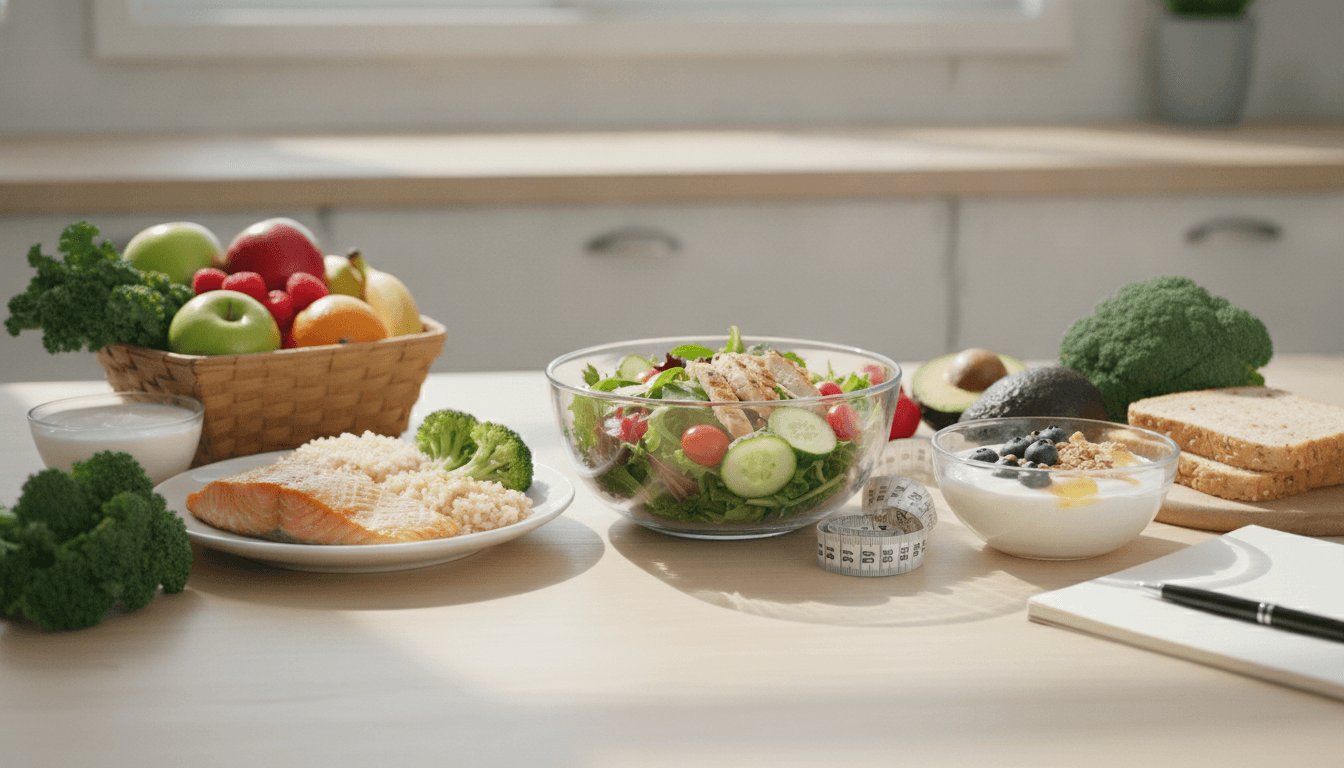
Learn how to follow a simple weight loss diet with calorie deficit basics, healthy foods, 7-day meal ideas, breakfast, lunch and dinner options, foods to avoid and practical tips for sustainable weight loss.
Starting a weight loss journey can feel confusing because there is no shortage of advice about carbs, fats, fasting and “quick fixes.” For beginners, the better approach is usually much simpler: create a manageable calorie deficit, eat balanced meals and follow a routine that you can actually maintain.
A healthy weight loss diet does not need to be extreme. You do not have to skip meals, remove entire food groups or survive on salads. Sustainable weight loss comes from eating slightly fewer calories than your body uses while still getting enough protein, fibre, vitamins, minerals and healthy fats.
This guide explains how a calorie deficit diet works, which foods support weight loss, what to eat at breakfast, lunch and dinner, and how to build a simple 7-day diet plan for weight loss.
What Is a Calorie Deficit Diet?
A calorie deficit diet means consuming fewer calories than your body uses for daily activities and normal body functions.
For example, if your body uses around 2,000 calories per day and you consistently consume around 1,600–1,800 calories, you may create a moderate calorie deficit.
This does not mean everyone should eat the same number of calories. Your needs depend on factors such as:
Age
Sex
Height and weight
Daily activity
Medical conditions
Metabolic health
Weight-loss goals
A very aggressive calorie deficit can increase hunger, fatigue and the risk of losing muscle. For most people, gradual and sustainable changes are preferable to rapid restriction.
What Does a Healthy Weight Loss Diet Look Like?
A healthy diet for weight loss should include a balance of:
Protein
Fibre-rich carbohydrates
Healthy fats
Vegetables and fruits
Adequate fluids
The goal is not simply to eat less. The aim is to make meals more filling and nutrient-dense so that you can remain in a calorie deficit without feeling constantly hungry.
Best Foods for Weight Loss
The best foods for weight loss are generally foods that provide good nutrition while helping you feel satisfied.
High-Protein Foods
Protein helps maintain muscle mass and can improve fullness.
Good options include:
Eggs
Paneer
Tofu
Greek yoghurt or curd
Dal and pulses
Chicken
Fish
Soy products
High-Fibre Foods
Fibre slows digestion and may help control hunger.
Choose:
Vegetables
Fruits
Oats
Whole grains
Brown rice
Millets
Beans
Chickpeas
Healthy Fats
Healthy fats are calorie-dense, so portions matter, but they can still be part of a balanced weight loss meal plan.
Examples:
Nuts
Seeds
Peanut butter
Olive oil
Avocado
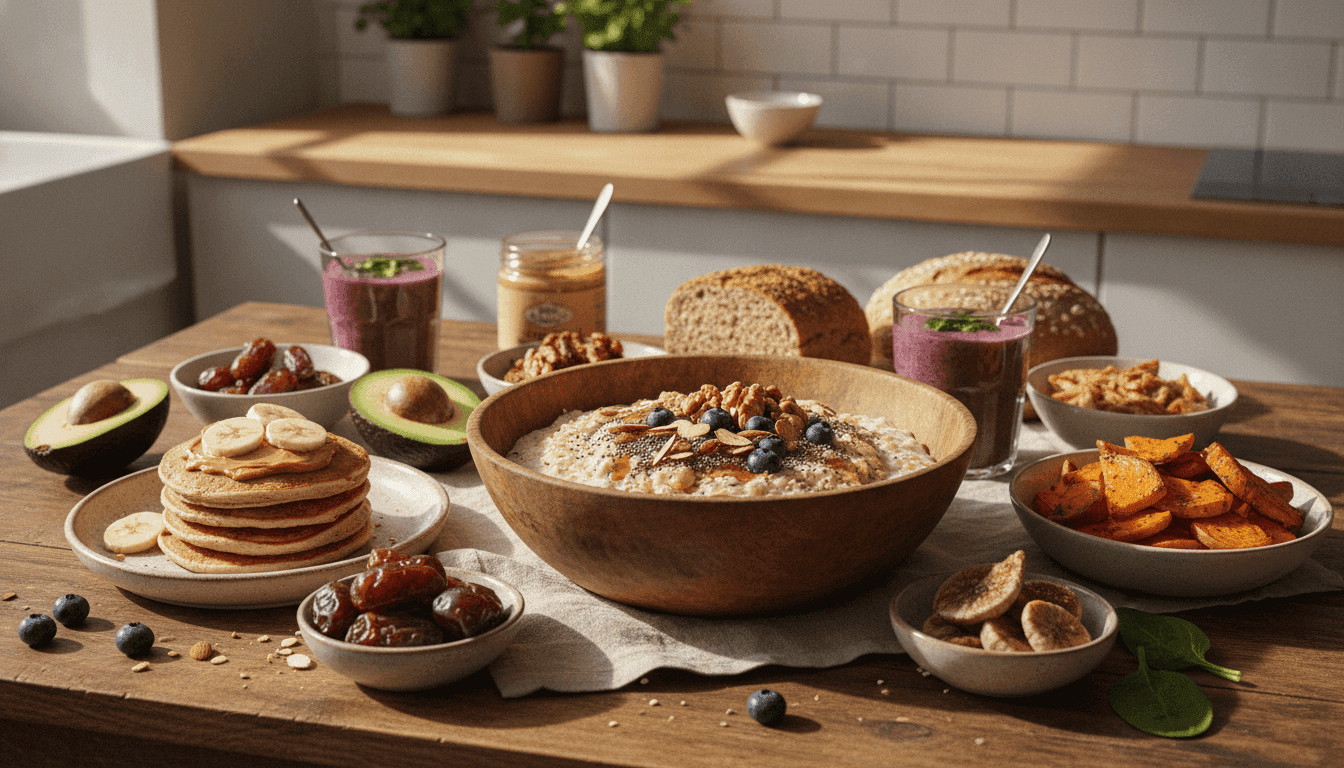
Simple Weight Loss Breakfast Ideas
A good weight loss breakfast should ideally contain protein and fibre.
Beginner-friendly options include:
Vegetable oats with curd
Two eggs with whole-grain toast
Besan chilla with vegetables
Paneer or tofu sandwich
Greek yoghurt with fruit and seeds
Vegetable poha with a protein source
Moong dal chilla
Avoid relying only on sugary cereals, biscuits or sweetened drinks because they may leave you hungry again quickly.
Healthy Weight Loss Lunch Ideas
A balanced weight loss lunch can include:
1–2 rotis or a controlled portion of rice
Dal, chicken, fish, paneer or tofu
Plenty of vegetables
Salad
Curd
Another easy plate method is:
Half the plate: vegetables
One-quarter: protein
One-quarter: whole grains or other carbohydrates
This approach keeps portions practical without requiring complicated calorie counting at every meal.
Simple Weight Loss Dinner Ideas
A weight loss dinner should be satisfying but not unnecessarily heavy.
Options include:
Dal with vegetables and one or two rotis
Grilled chicken or fish with sautéed vegetables
Paneer or tofu bhurji with salad
Vegetable soup with a protein source
Khichdi with curd and vegetables
Try to avoid turning dinner into the largest meal of the day if late-night eating tends to trigger overeating.
7-Day Diet Plan for Weight Loss
This sample plan is designed as a simple starting framework, not a prescription for everyone.
Day 1
Breakfast: Vegetable oats with curd
Lunch: Dal, 2 rotis, mixed vegetables and salad
Snack: Fruit and a few nuts
Dinner: Paneer or tofu with vegetables
Day 2
Breakfast: Two eggs with whole-grain toast
Lunch: Brown rice, rajma and salad
Snack: Buttermilk
Dinner: Vegetable soup with grilled protein
Day 3
Breakfast: Besan chilla with mint chutney
Lunch: Roti, dal, sabzi and curd
Snack: Apple or guava
Dinner: Khichdi with vegetables
Day 4
Breakfast: Poha with vegetables and peanuts
Lunch: Grilled chicken or paneer with rice and salad
Snack: Roasted chana
Dinner: Dal and sautéed vegetables
Day 5
Breakfast: Greek yoghurt with fruit and seeds
Lunch: Chole with controlled rice or roti portion
Snack: Coconut water
Dinner: Paneer bhurji with salad
Day 6
Breakfast: Moong dal chilla
Lunch: Vegetable pulao with curd and protein
Snack: Fruit
Dinner: Fish, chicken, tofu or paneer with vegetables
Day 7
Breakfast: Vegetable sandwich with protein
Lunch: Dal, rice, vegetables and salad
Snack: Nuts or yoghurt
Dinner: Light khichdi, soup or roti with sabzi
The same plan should not be used by everyone without adjustment. People with diabetes, kidney disease, thyroid conditions, pregnancy, PCOS, gastrointestinal conditions or other health issues may need personalised dietary advice.
Nutrition & Dietetics: Why Personalised Guidance Matters
Generic meal plans can be useful for learning basic structure, but personalised nutrition becomes more important when weight loss is affected by medical conditions, medications, metabolic issues or repeated weight regain.
A Nutrition & Dietetics consultation can help assess your BMI, BMR, eating habits, lifestyle and health conditions before creating a plan that fits your actual calorie and nutrient requirements. Healing Hospital’s Nutrition & Dietetics service specifically includes weight-management programmes, body-composition assessment and personalised meal planning.
Foods to Avoid for Weight Loss
You do not need to ban every favourite food. However, some foods are easier to overeat and add calories quickly.
Limit:
Sugary drinks
Packaged juices
Deep-fried snacks
Sweets and desserts
Highly processed foods
Large portions of bakery items
Frequent fast food
Alcohol
High-calorie sauces and dressings
The goal is not perfection. It is reducing foods that provide many calories without keeping you full for long.
Weight Loss Tips for Beginners
Start With Small Changes
Do not try to change your entire diet overnight.
Start with:
Reducing sugary beverages
Adding more vegetables
Increasing protein
Controlling portions
Eat Regular Meals
Skipping meals can make some people overeat later.
Stay Hydrated
Thirst is sometimes confused with hunger.
Prioritise Protein
Include a protein source with most meals.
Move More
Walking, strength training and regular physical activity support healthy weight management.
Track Progress Beyond the Scale
Also monitor:
Waist measurement
Energy levels
Fitness
Sleep
Consistency
Can You Lose Weight Without Counting Calories?
Yes.
You do not necessarily need to track every calorie if your portions and food choices naturally create a calorie deficit.
Simple strategies include:
Use smaller portions
Eat more vegetables
Add protein to each meal
Reduce liquid calories
Limit fried and processed foods
However, calorie awareness can be useful if progress has stalled.
How Fast Should Healthy Weight Loss Be?
Healthy weight loss is usually gradual.
Rapid weight loss often involves aggressive restriction that may be difficult to maintain.
A sustainable approach focuses on:
Better food habits
Consistent physical activity
Adequate protein
Sleep
Long-term calorie control
When Should You Consult a Dietitian?
Consider speaking with a qualified dietitian if:
You have tried several diets without success
You have diabetes, PCOS, thyroid problems or other medical conditions
You frequently regain lost weight
You experience severe hunger or fatigue while dieting
You need a structured weight-loss plan
You are unsure how many calories or nutrients you need
Healing Hospital’s clinical nutrition team provides weight-management plans that are based on individual assessment rather than a one-size-fits-all diet.
Conclusion
A successful weight loss diet does not need to be complicated. For beginners, the most effective approach is usually a moderate calorie deficit combined with balanced meals, adequate protein, vegetables, whole foods and consistent habits.
A 7-day diet plan can help you get started, but long-term results depend on choosing an eating pattern that matches your lifestyle and health needs.
For personalised weight-management support, Healing Hospital offers evidence-based nutrition guidance through its Nutrition & Dietetics team in Chandigarh, including assessment, customised meal planning and ongoing support.
Need a Personalised Weight Loss Diet Plan?
If you are struggling to lose weight, managing a medical condition or simply want a structured plan that fits your lifestyle, the Nutrition & Dietetics team at Healing Hospital, Chandigarh can help with evidence-based and personalised dietary guidance.
Call: +91 94643 43434 | 0172 508 8883
Email: info@healinghospital.co.in
Frequently Asked Questions
1. What is the best diet plan for weight loss for beginners?
A beginner-friendly weight loss plan should include protein, vegetables, whole grains, fruits and controlled portions while creating a moderate calorie deficit. The plan should be simple enough to follow consistently.
2. How does a calorie deficit help with weight loss?
A calorie deficit occurs when you consume fewer calories than your body uses. Over time, the body uses stored energy, which can lead to weight loss.
3. What are the best foods for weight loss?
Protein-rich foods, vegetables, fruits, whole grains, legumes, curd, eggs, lean meat, fish, paneer and tofu are good choices because they provide nutrition and can help improve fullness.
4. Can I lose weight with Indian food?
Yes. A balanced Indian diet can support weight loss when portions are controlled and meals include adequate protein, vegetables and whole grains while limiting fried foods, sweets and sugary drinks.
5. Is a 7-day diet plan enough for weight loss?
A 7-day diet plan can help establish healthier eating habits, but meaningful and sustainable weight loss usually requires consistent changes over a longer period.
6. Should I skip dinner to lose weight?
No. Skipping dinner is not necessary. A balanced, portion-controlled dinner can be part of a healthy weight loss diet. Overall calorie intake and food quality matter more than simply skipping meals.
7. When should I consult Nutrition & Dietetics for weight loss?
Consider professional nutrition support if you have repeated weight regain, metabolic conditions, difficulty controlling portions or need a personalised calorie and meal plan. Healing Hospital’s Nutrition & Dietetics team offers structured weight-management support.
8. How can Healing Hospital help with healthy weight loss?
Healing Hospital provides personalised nutrition assessment, weight-management planning and evidence-based dietary counselling through its Nutrition & Dietetics department in Chandigarh.