 24X7
24X7
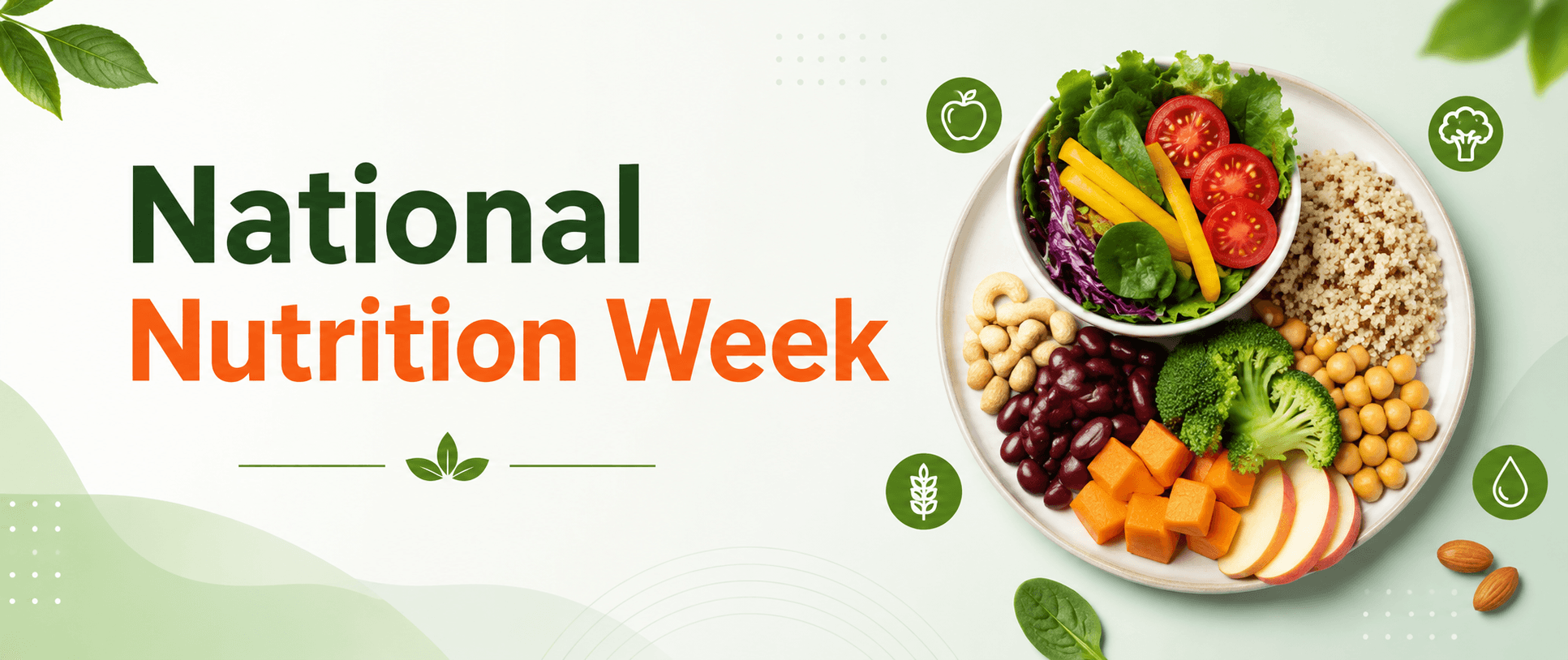
Learn why National Nutrition Week matters, how balanced nutrition supports health, what nutrients your body needs, healthy eating habits to follow and when personalised nutrition guidance can help improve overall well-being.
National Nutrition Week is observed every year from 1st to 7th September in India to raise awareness about the importance of nutrition and healthy dietary practices. The initiative focuses on helping people understand how adequate nutrition supports health, growth, development and overall well-being.
Nutrition is not simply about eating enough food. It is about consuming a varied and balanced diet that provides the body with essential nutrients in appropriate amounts. Good nutrition supports immunity, energy levels, healthy growth and the proper functioning of different organs and body systems.
National Nutrition Week provides an opportunity to look at everyday eating habits and understand how small, sustainable changes can contribute to better health.
What Is National Nutrition Week?
National Nutrition Week is an annual awareness initiative observed in India from 1st to 7th September. The initiative was introduced to strengthen awareness and education around nutrition and its role in health and development.
The week encourages individuals, families and communities to pay greater attention to healthy food choices and nutritional well-being. Nutrition awareness also extends beyond individual food choices to areas such as maternal and child nutrition, anaemia prevention, healthy growth and access to nutritious foods.
Why Is Nutrition Important for Good Health?
The body needs a combination of nutrients to perform essential functions. Carbohydrates provide energy, proteins support growth and tissue maintenance, fats contribute to energy storage and help the body absorb certain vitamins, while vitamins and minerals support numerous physiological processes.
Poor nutrition can affect health in different ways. Inadequate nutrient intake may contribute to deficiencies, while excessive intake of energy-dense foods can increase the risk of overweight and related health concerns.
A balanced approach is therefore important rather than focusing on a single food, nutrient or dietary trend.
Importance of National Nutrition Week
National Nutrition Week helps bring attention to the connection between food, health and quality of life. It also encourages people to think about nutrition across different stages of life.
Nutrition needs can vary according to age, activity level, pregnancy, health conditions and other individual factors. Children, adolescents, pregnant women, older adults and people with certain medical conditions may have specific nutritional requirements.
In India, nutrition awareness initiatives have also focused on women and children, including maternal nutrition, infant feeding, growth monitoring and anaemia awareness.
What Does a Balanced Diet Include?
A balanced diet should provide a variety of foods rather than relying heavily on one food group. If you are unsure about your individual nutritional requirements, consulting a Nutrition & Dietetics specialist can help you understand an appropriate dietary approach.
A balanced meal can include whole grains or other carbohydrate sources, pulses or other protein-rich foods, vegetables, fruits, dairy or suitable alternatives, nuts and seeds, along with appropriate amounts of healthy fats.
The exact combination and portion sizes can vary depending on individual nutritional needs.
Essential Nutrients Your Body Needs
Carbohydrates
Carbohydrates are an important source of energy. Foods such as whole grains, cereals, millets, fruits and vegetables can contribute carbohydrates to the diet.
Choosing nutrient-rich carbohydrate sources can also provide fibre, vitamins and minerals.
Proteins
Protein is required for growth, tissue maintenance and many important body functions. Pulses, beans, lentils, dairy products, eggs, fish, poultry, soy and other protein-rich foods can contribute to daily protein intake.
The amount required can vary depending on age, activity level and individual health needs.
Healthy Fats
Dietary fats play several important roles, including supporting cell function and helping the body absorb certain fat-soluble vitamins.
Nuts, seeds and appropriate plant-based oils can be included as part of a balanced diet while keeping overall fat intake appropriate.
Vitamins and Minerals
Vitamins and minerals support processes such as immune function, bone health, blood formation and energy metabolism.
Iron, calcium, vitamin D, vitamin B12, folate and other micronutrients are particularly important at different stages of life. However, supplementation should be based on individual needs and professional advice rather than self-prescription.
Role of Fruits and Vegetables in Nutrition
Fruits and vegetables provide fibre, vitamins, minerals and various naturally occurring compounds that contribute to a healthy diet.
Including a variety of colours and types can help increase dietary diversity. Seasonal and locally available produce can also make healthy eating more practical and sustainable.
Rather than focusing on one "superfood", it is more useful to include a broad range of vegetables and fruits as part of regular meals.
Nutrition for Children
Good nutrition is particularly important during childhood because the body and brain are undergoing rapid growth and development.
Children need adequate energy, protein, vitamins and minerals to support normal growth and development. Healthy eating habits developed during childhood can also influence food choices later in life.
For infants and young children, nutritional needs change as they grow. Government nutrition programmes have highlighted appropriate infant and young-child feeding practices as an important part of child health.
Parents should seek professional advice when a child has poor growth, feeding difficulties, suspected nutritional deficiencies or other health concerns.
Nutrition During Pregnancy
Pregnancy increases the importance of adequate nutrition because nutritional needs support both maternal health and fetal development.
A pregnancy diet should provide adequate protein, iron, folate, calcium and other essential nutrients. However, nutritional requirements vary from one person to another depending on health status, dietary pattern and pregnancy-related factors.
Pregnant women should discuss supplements and specific dietary requirements with their obstetrician or a Nutrition & Dietetics professional rather than relying on generic diet plans.
Nutrition for Older Adults
Nutritional needs can change with age. Older adults may experience changes in appetite, digestion, activity levels or nutrient absorption, making balanced food choices particularly important.
Adequate protein, fibre, fluids, vitamins and minerals can support overall health. Individual dietary requirements may also be influenced by medical conditions or medications.
For older adults with difficulty eating, swallowing problems, unintentional weight loss or other concerns, professional nutritional assessment may be appropriate.
Nutrition and Immunity
Nutrition and immune function are closely connected. The immune system requires a range of nutrients to function normally.
A varied diet containing adequate protein, fruits, vegetables, whole grains and other nutrient-rich foods can help support overall nutritional status. However, no individual food or supplement can guarantee protection from infections.
Good nutrition should therefore be viewed as one part of a broader healthy lifestyle that also includes adequate sleep, physical activity, hygiene and appropriate medical care.
Nutrition and Anaemia
Anaemia is a common nutritional concern, particularly when iron intake or absorption is inadequate. Iron-rich foods include legumes, leafy vegetables, meat and other suitable sources.
However, not all anaemia is caused by iron deficiency. Other nutritional deficiencies and medical conditions can also contribute.
People experiencing persistent tiredness, weakness, breathlessness, dizziness or other symptoms should consult a healthcare professional rather than assuming that an iron supplement is appropriate.
Healthy Eating Habits to Follow
Healthy eating does not require complicated meal plans. Simple habits can make everyday nutrition more balanced and sustainable.
Include a variety of foods across meals and avoid relying heavily on highly processed foods that are rich in salt, sugar or unhealthy fats. Government dietary guidance also recommends limiting excessive salt, choosing safe and clean foods, staying physically active and maintaining appropriate hydration.
Portion sizes should also be considered. Even nutritious foods can contribute to excess calorie intake when consumed in very large quantities.
Importance of Hydration
Water is essential for normal body functions. Fluid requirements vary depending on factors such as climate, physical activity, age and health status.
Regular water intake throughout the day can help maintain hydration. During hot weather or periods of increased physical activity, fluid requirements may increase.
People with certain medical conditions may have specific fluid restrictions, so individual medical advice should take priority.
Nutrition and Physical Activity
Healthy nutrition and physical activity work together. A balanced diet provides the nutrients and energy needed for daily activities, while regular physical activity supports physical fitness and overall health.
The appropriate amount and intensity of activity depends on age, fitness level and health status.
For people with medical conditions or specific fitness goals, a healthcare professional can help determine a suitable activity and nutrition approach.
Common Nutrition Mistakes to Avoid
One common mistake is following restrictive diets without considering individual nutritional requirements. Eliminating entire food groups without a valid reason can make it harder to obtain certain nutrients.
Another mistake is depending heavily on supplements while overlooking the quality and variety of everyday meals.
It is also important to be cautious about nutrition claims on social media. A diet that works for one person may not be suitable for another, particularly when medical conditions, pregnancy, allergies or nutritional deficiencies are involved.
When Should You Consult a Nutrition Professional?
Professional nutritional guidance can be useful when dietary needs are affected by a medical condition, pregnancy, significant weight changes, food allergies, digestive concerns or nutritional deficiencies.
A qualified dietitian or healthcare professional can assess individual requirements and develop practical dietary recommendations based on health status, lifestyle and food preferences.
People should also seek professional guidance before making major dietary changes, particularly when managing a chronic health condition.
How National Nutrition Week Can Encourage Better Food Choices
National Nutrition Week can be used as an opportunity to review everyday eating habits rather than following a short-term diet.
Start by looking at the variety of foods consumed during a typical week. Consider whether meals regularly include vegetables, fruits, protein sources, whole grains and other nutrient-rich foods.
Small improvements, such as adding more vegetables, reducing highly processed foods or improving meal variety, can be easier to maintain than sudden and restrictive dietary changes.
Conclusion
National Nutrition Week highlights an important message: good nutrition is a foundation of good health. A balanced diet provides the body with essential nutrients while supporting growth, energy, immunity and overall well-being.
Nutrition needs are not the same for everyone. Age, lifestyle, pregnancy, activity levels, medical conditions and individual dietary requirements can all influence what constitutes an appropriate diet.
This National Nutrition Week, focus on building sustainable eating habits, choosing a variety of nutritious foods and seeking professional guidance when individual dietary concerns arise.
If you have specific nutritional needs or health-related dietary concerns, the Healing Hospital team can help you understand appropriate nutrition and healthcare options based on your individual requirements.
Frequently Asked Questions
1. What is National Nutrition Week?
National Nutrition Week is observed in India from 1st to 7th September to increase awareness about nutrition, healthy dietary practices and their role in health and development.
2. Why is National Nutrition Week celebrated?
National Nutrition Week is observed to promote awareness about the importance of adequate and balanced nutrition. It encourages individuals and communities to understand how dietary habits can influence health and well-being.
3. What is the importance of nutrition for overall health?
Good nutrition provides essential nutrients required for energy, growth, tissue maintenance, immune function and normal body processes. A varied and balanced diet can support overall health throughout life.
4. What foods should be included in a balanced diet?
A balanced diet can include whole grains and other carbohydrate sources, pulses or other protein-rich foods, vegetables, fruits, dairy or suitable alternatives, nuts, seeds and appropriate sources of healthy fats.
5. How can I improve my daily nutrition?
Start with simple changes such as increasing dietary variety, including more vegetables and fruits, choosing nutrient-rich foods, consuming adequate protein and limiting highly processed foods rich in salt, sugar and unhealthy fats.
6. Why is nutrition important during pregnancy?
Adequate nutrition during pregnancy supports maternal health and fetal growth and development. Nutritional requirements can change during pregnancy, so dietary plans and supplements should be discussed with an obstetrician or qualified dietitian.
7. How does nutrition affect children's growth?
Children require adequate energy, protein, vitamins and minerals to support normal physical and cognitive development. Appropriate nutrition during infancy and childhood is an important part of healthy growth.
8. Can poor nutrition cause health problems?
Yes. Inadequate or unbalanced nutrition can contribute to nutrient deficiencies and other health concerns, while excessive intake of certain foods can increase the risk of overweight and related conditions. The impact depends on the individual's diet and health status.
9. When should I consult a dietitian or nutrition specialist?
You may benefit from professional nutrition guidance if you have a nutritional deficiency, significant weight change, food allergy, digestive concern, pregnancy-related dietary needs, chronic health condition or difficulty maintaining a balanced diet.
10. How can Healing Hospital help with nutrition-related concerns?
Healing Hospital can provide access to healthcare professionals who can assess nutrition-related concerns in the context of an individual's overall health. Personalised guidance may be recommended when dietary changes are linked to a medical condition or specific health need.