 24X7
24X7
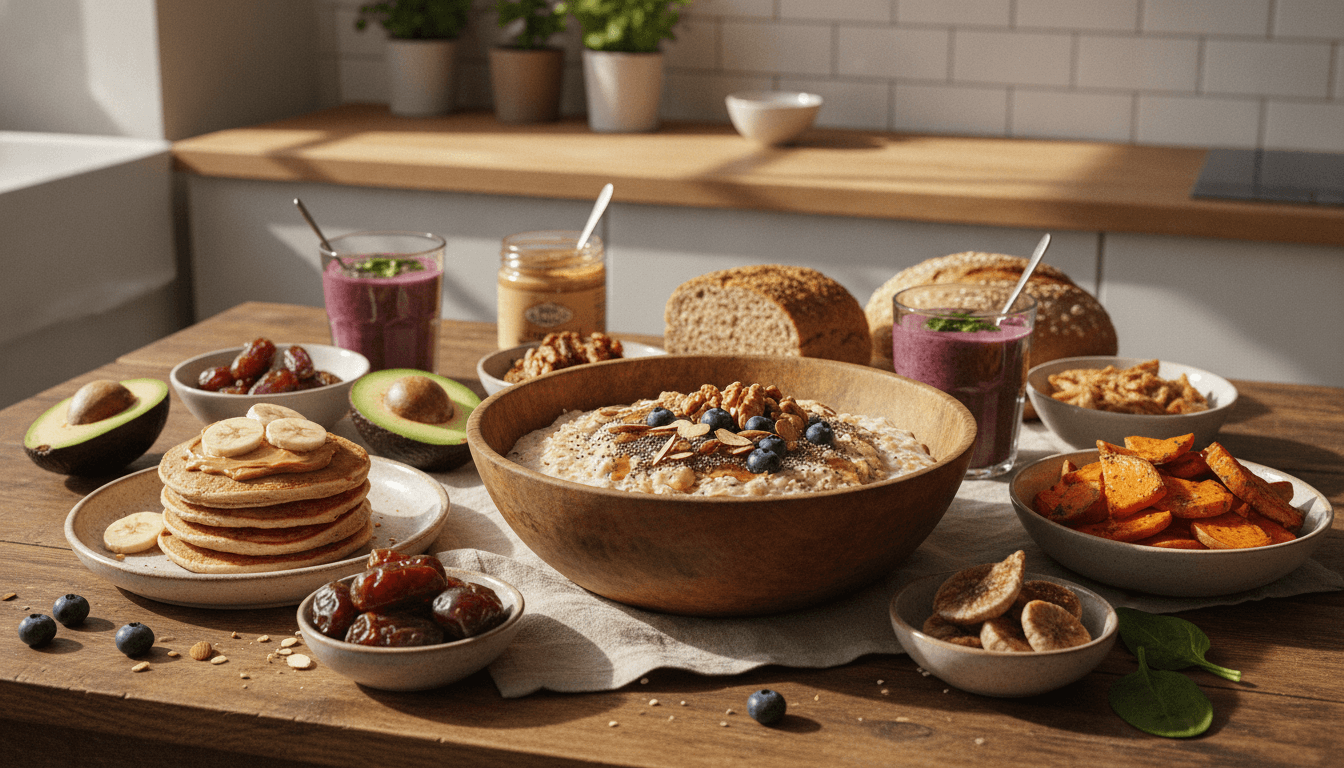
A weight gain diet works best when it helps you add calories steadily without relying only on fried snacks, sweets or sugary drinks. If you are trying to gain weight after illness, low appetite, heavy training or a naturally lower body weight, the goal is to increase energy intake while still giving your body protein, fibre, vitamins and minerals.
For adults, a body mass index below 18.5 falls in the underweight range, although BMI alone does not explain muscle mass, medical history or nutrition status. A diet for weight gain should start with food, but sudden weight loss, poor appetite, digestive symptoms or weakness need medical review before you change your diet on your own.
What Makes A Weight Gain Diet Healthy?
A healthy weight gain plan adds more energy than your body uses, while keeping meals balanced enough to support muscle, digestion and overall health. The Centers for Disease Control and Prevention explains weight change through energy balance, which means you gain weight when calorie intake stays higher than calorie use over time.
The safest starting point for many adults is a modest calorie increase rather than a sudden jump in food quantity. NHS food-first guidance suggests adding about 300 to 500 extra calories a day for gradual weight gain. That range gives you room to add one extra snack, enrich meals with calorie-dense ingredients or increase portions without making meals feel difficult to finish.
Practical target: Add about 300 to 500 extra calories a day. This gives your body a steady surplus, which can support gradual weight gain when you follow it consistently and your health allows it.
Protein matters because weight gain should support muscle as much as possible, especially if you combine your meal plan with resistance exercise. The adult protein recommended dietary allowance is 0.8 gram per kilogram of body weight per day, although some people may need different targets based on age, training, illness, pregnancy or medical conditions. Your doctor or dietitian can help set a safe target if you have kidney disease, diabetes, liver disease or another long-term condition.
Once you understand the calorie and protein base, the next step is to identify whether a weight gain plan fits your situation or whether symptoms point to a medical cause.
Who May Need A Diet For Weight Gain?
A diet for weight gain may help if you have been advised to gain weight, if your BMI falls below the healthy range or if your food intake has stayed low after illness, exams, travel, stress or a busy schedule. Some people also need structured weight gain support during sports training, recovery from surgery or periods of poor appetite.
You may benefit from medical or dietetic guidance if any of these situations apply:
● Unintentional weight loss
● Low appetite for several weeks
● Frequent stomach pain, vomiting or diarrhoea
● Fatigue, weakness or recurrent illness
● Difficulty chewing or swallowing
● A long-term condition affecting food intake
These signs do not confirm a diagnosis, but they do tell you to avoid guessing your way through diet changes. A doctor may check for causes such as thyroid disease, digestive disorders, infections, nutrient deficiencies, medication effects or uncontrolled blood sugar.
If your weight is stable and your doctor has not raised a concern, you can start with food changes at home and track progress weekly. If weight is falling without a clear reason, check the cause before you focus only on high-calorie foods.
High-Calorie Foods That Support Healthy Weight Gain
High-calorie foods work better when they also give protein, healthy fats, complex carbohydrates or micronutrients. That is why a bowl of curd with nuts helps more than a sweet drink alone, and a paneer roll gives more useful nutrition than plain biscuits.
Use these weight gain foods to raise calorie intake without making every meal very large:
Food Group | Foods For Weight Gain | How They Help You |
Dairy and alternatives | Milk, curd, paneer, cheese, lassi | They add calories and protein in small portions. |
Nuts and seeds | Peanuts, almonds, walnuts, sesame, chia | They add energy, healthy fats and minerals. |
Carbohydrates | Rice, roti, paratha, poha, oats, potatoes | They help you meet energy needs through familiar meals. |
Protein foods | Eggs, chicken, fish, dal, chana, rajma, tofu | They support muscle repair and meal balance. |
Healthy fats | Ghee, olive oil, mustard oil, nut butter | They raise calories without increasing meal volume much. |
Fruits | Banana, mango, chikoo, dates, raisins | They add energy, fibre and natural sweetness. |
The easiest way to use these foods is to enrich meals you already eat. Add ghee to dal, peanut butter to toast, paneer to a roll, curd to rice, nuts to porridge or a banana to a milk smoothie. These small changes help if a large plate makes you feel too full.
High-calorie does not mean unlimited. Deep-fried foods and sugary drinks may increase weight, but they can crowd out protein and fibre. A better plan uses calorie-dense foods across the day so you gain weight with fewer digestion problems and steadier energy.
With the right foods ready, a 7-day healthy weight gain diet plan becomes easier to follow.
7-Day Healthy Weight Gain Diet Plan
This 7-day plan gives you meal ideas you can adapt to vegetarian or non-vegetarian preferences. Portions depend on your appetite, activity, body size and medical needs, so use the plan as a structure rather than a fixed prescription.
Day | Breakfast | Mid-Meal | Lunch | Evening Snack | Dinner |
Day 1 | Oats cooked in milk with banana and nuts | Curd with dates | Rice, dal, paneer bhurji and salad | Peanut butter toast | Roti, chicken or chana curry and curd |
Day 2 | Paneer paratha with curd | Banana shake | Rajma rice with ghee and salad | Trail mix | Vegetable pulao with raita and tofu |
Day 3 | Poha with peanuts and a glass of milk | Mango or chikoo | Roti, dal, potato sabzi and curd | Boiled eggs or roasted chana | Rice, fish curry or dal and vegetables |
Day 4 | Besan cheela with paneer filling | Lassi with nuts | Chole, rice and salad | Cheese sandwich | Roti, soya curry and curd |
Day 5 | Upma with vegetables and peanuts | Dates and milk | Roti, dal makhani, paneer and salad | Banana with peanut butter | Rice, egg curry or rajma and vegetables |
Day 6 | Stuffed paratha with curd | Smoothie with milk, banana and nuts | Rice, kadhi, aloo sabzi and salad | Makhana roasted in ghee | Roti, chicken or tofu curry and curd |
Day 7 | Idli with sambar and coconut chutney | Dry fruits and lassi | Vegetable biryani with raita and paneer | Sprouts chaat with peanuts | Roti, dal, mixed vegetables and rice |
If you prefer smaller meals, split one large meal into two smaller servings. For example, you can take half your lunch at the usual time and finish the rest after two hours. That approach helps if appetite limits your intake more than food choice.
You can also repeat meals that suit your routine. Consistency matters more than variety during the first few weeks, especially when your main goal is to make eating enough feel manageable.
Weight Gain Tips To Make The Plan Work
A plan only helps when you can follow it on ordinary days. The best weight gain tips focus on routine, appetite and small calorie additions instead of forcing uncomfortable portions.
Eat every three to four hours. Regular meal timing gives you more chances to meet calorie needs without depending on one large dinner. If mornings feel difficult, start with milk, a smoothie or curd before moving to a fuller breakfast.
Add calories to foods you already like. A spoon of ghee in dal, nuts in kheer, cheese in a sandwich or paneer in a roll raises intake without changing your whole diet. This keeps the plan easier to maintain.
Choose drinks with nutrition. Milk, lassi, smoothies and shakes add calories between meals. If you replace meals with drinks too often, you may miss fibre and protein, so use drinks as extras rather than the main diet.
Pair protein with each main meal. Dal, paneer, curd, eggs, fish, chicken, tofu, chana or rajma help keep meals balanced. Protein also supports muscle gain when you add strength training under safe guidance.
Track progress weekly, not daily. Body weight shifts with water, salt, digestion and menstrual cycle changes. A weekly check gives a clearer trend and helps you adjust portions without reacting to every small change.
Include strength exercise if your doctor allows it. Resistance training may help weight gain shift toward muscle rather than only fat. Start slowly and ask for guidance if you have pain, injury, heart symptoms or a medical condition.
If you follow these steps for two to four weeks and weight does not rise, you may need a higher calorie target or a medical check. The next section explains when to get help sooner.
When To Get Medical Advice Before Trying To Gain Weight
Food changes are useful, but some situations need medical review before you increase calories. This matters because weight loss or difficulty gaining weight may come from a health condition that diet alone cannot fix.
Seek medical advice if you notice any of the following:
● Weight loss without trying
● Ongoing fever, night sweats or weakness
● Persistent diarrhoea, vomiting or abdominal pain
● Loss of appetite for more than two weeks
● Blood in stool or vomit
● Breathlessness, chest pain or fainting
● Difficulty swallowing
● Uncontrolled diabetes or thyroid disease
If any symptom feels sudden or severe, seek urgent medical care. For non-urgent concerns, a doctor can review your history, medicines, appetite, digestion and basic tests before you begin a higher-calorie plan.
This step protects you from missing a treatable cause and helps your diet plan match your health needs.
Plan Healthy Weight Gain With Medical Guidance
Healthy weight gain takes steady meals, calorie-dense foods, enough protein and a plan you can keep following. A 7-day meal structure can help you start, but your long-term plan should adjust to your appetite, digestion, activity and health reports.
At Healing Hospital, Chandigarh, you can consult a doctor if weight loss, low appetite or difficulty gaining weight needs medical review. Speak to our care team to find the right specialist for your concern and get guidance before making major diet changes.
Struggling to Gain Weight the Healthy Way?
If you're experiencing unexplained weight loss, poor appetite, or difficulty gaining weight despite following a balanced diet, it's important to identify the underlying cause. At Healing Hospital, our experienced specialists provide personalised evaluation, nutritional guidance, and treatment plans to help you achieve healthy and sustainable weight gain.
Book your consultation today to get expert advice tailored to your health needs.
📞 Call Us: +91-9464343434, 01725088883
📧 Email: info@healinghospital.co.in
Frequently Asked Questions
1. What Is The Best Weight Gain Diet For Adults?
The best weight gain diet for adults adds a steady calorie surplus through balanced meals, protein foods, healthy fats and calorie-dense snacks. If weight loss is unexplained or appetite stays low, consult a doctor before increasing calories on your own.
2. Which Foods Help With Healthy Weight Gain?
Foods for weight gain include milk, curd, paneer, nuts, seeds, rice, roti, potatoes, dal, eggs, chicken, fish, tofu, dates and bananas. These foods help because they add calories along with protein, carbohydrates, fats or micronutrients.
3. How Many Extra Calories Do I Need To Gain Weight?
Many adults start with about 300 to 500 extra calories a day for gradual weight gain, if their health allows it. Your exact target depends on your body size, activity, appetite and medical history.
4. Can I Gain Weight In Seven Days?
You may see a small change in seven days, but healthy weight gain usually needs several weeks of consistent eating. A 7-day plan works best as a starting routine, not as a promise of quick results.
5. Is A High-Calorie Diet Safe For Everyone?
A high-calorie diet is not safe for everyone, especially if you have diabetes, kidney disease, liver disease, heart disease or unexplained weight loss. Ask a doctor or dietitian before starting a major diet change if you have a medical condition.
6. When Should I See A Doctor For Low Weight?
See a doctor if you lose weight without trying, struggle to eat, feel unusually weak or have symptoms such as persistent diarrhoea, fever, night sweats, chest pain or difficulty swallowing. Medical review helps find out whether diet alone is enough.