
 24X7
24X7
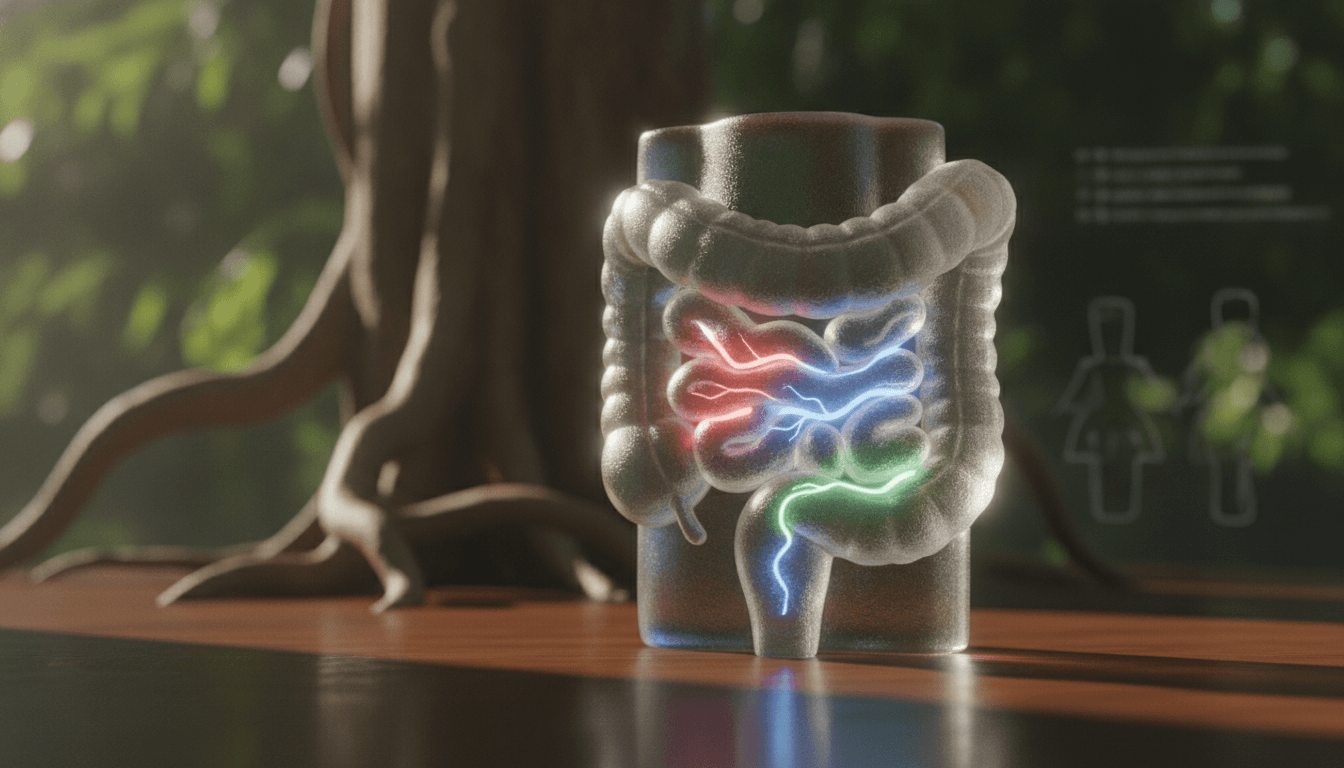
Piles vs fissure vs fistula explained in detail. Learn the symptoms, causes, treatment options and key differences between these conditions, including fissure pictures, warning signs and when you should consult a doctor.
Anal discomfort, pain during bowel movements, itching or blood in the stool can be worrying—and many people are unsure whether the symptoms are caused by piles, an anal fissure or a fistula. Although these conditions affect the same general area, they are different problems and may require different treatments.
If symptoms persist or keep returning, an evaluation by a qualified surgeon can help identify the underlying cause. At Healing Hospital, Chandigarh, the General & Laparoscopic Surgery department provides comprehensive surgical care, including minimally invasive and laser-based treatment options for conditions such as piles, anal fissure and fistula.
Understanding the difference between piles and fissure is important because rectal bleeding or anal pain should not automatically be assumed to be haemorrhoids. A proper examination can help rule out other causes and determine the most appropriate treatment.
What Are Piles, Fissure and Fistula?
Before comparing piles vs fissure vs fistula, it helps to understand what each condition means.
Piles
Piles, medically known as haemorrhoids, are enlarged or swollen blood vessels and supporting tissues in and around the anus. They may be internal or external.
Internal piles commonly cause bright-red bleeding or tissue that protrudes during bowel movements. External piles may appear as a lump around the anus and can become painful, particularly when a blood clot forms inside them.
Anal Fissure
An anal fissure is a small tear or crack in the skin lining the opening of the anus. It commonly causes sharp pain during bowel movements, followed by burning or aching pain that may continue for some time afterward.
Hard stools, constipation and passing a particularly large or difficult bowel movement are common triggers.
Anal Fistula
An anal fistula is an abnormal tunnel connecting the inside of the anal canal or rectum with the skin near the anus. It commonly develops after an infection or abscess around the anus.
Unlike many cases of piles or acute fissure, an anal fistula generally does not heal on its own and often requires surgical treatment.
Piles Symptoms
The symptoms of piles can vary depending on whether they are internal or external.
Common piles symptoms include:
Bright-red bleeding after passing stool
Itching around the anus
A lump or swelling around the anus
Pain or soreness around the anal area
Mucus on toilet paper or underwear
A feeling that you still need to pass stool
Protrusion of tissue during bowel movements
Internal piles are often associated with painless bleeding or tissue prolapse. External piles can cause a painful lump, especially when thrombosed.
Rectal bleeding should not automatically be attributed to piles. If bleeding is persistent, recurrent or unusual, medical evaluation is recommended to identify the cause.
Piles Treatment
Piles treatment depends on the severity of symptoms, the type of haemorrhoid and whether conservative measures are effective.
For mild symptoms, doctors may recommend:
Increasing dietary fibre
Drinking sufficient fluids
Avoiding excessive straining during bowel movements
Avoiding prolonged sitting on the toilet
Managing constipation
Maintaining regular physical activity
Using suitable medicines or topical treatments when advised
Many patients improve with dietary and lifestyle measures. When symptoms continue, medical procedures may be considered. Options can include rubber-band ligation, sclerotherapy, infrared coagulation and, for selected patients, surgery.
Healing Hospital also offers laser haemorrhoidoplasty as part of its laser surgery services. The appropriate procedure depends on the patient's condition and should be decided after a clinical assessment.
Anal Fissure Symptoms
The most characteristic anal fissure symptoms are pain and bleeding during or after bowel movements.
Common symptoms include:
Sharp or severe pain while passing stool
Burning pain after bowel movements
Pain that may continue for minutes or hours
Small amounts of bright-red blood on toilet paper or in the toilet
Discomfort caused by repeated bowel movements
Spasm or tightness around the anal area in some patients
A fissure can be mistaken for piles because both conditions can cause bright-red bleeding. However, severe sharp pain during and after bowel movements is more characteristic of an anal fissure.
If symptoms are worsening or do not improve with basic self-care, medical assessment is advisable.
Fissure Treatment
Fissure treatment usually starts with measures that help reduce trauma to the area and keep stools soft.
Depending on the individual case, treatment may include:
Increasing fibre intake
Drinking adequate fluids
Treating constipation
Stool-softening medicines when recommended
Warm baths or sitz baths for symptom relief
Prescription medicines that help relax the anal sphincter
Surgical treatment for persistent or chronic fissures
Many acute anal fissures heal without surgery. However, fissures that persist, recur or fail to respond to conservative treatment may require specialist treatment.
Healing Hospital lists laser fissure treatment among its minimally invasive laser surgery services. The treatment recommended depends on the severity, duration and clinical findings.
Piles vs Fissure: What Is the Difference?
The easiest way to understand piles vs fissure is to compare the nature of the problem and the typical symptoms.
Feature | Piles | Anal Fissure |
|---|---|---|
What is it? | Enlarged/swollen haemorrhoidal tissue | Small tear in the anal lining |
Typical bleeding | Bright-red bleeding | Usually small amounts of bright-red blood |
Pain | May be absent, especially with internal piles | Often sharp and significant during/after stool |
Lump | May occur | May develop a small skin tag with chronic fissure |
Itching | Common | May occur but pain is usually more prominent |
Common trigger | Constipation, straining, pregnancy and increased pressure | Hard stool, constipation or repeated irritation |
Treatment | Lifestyle measures, medicines, procedures or surgery depending on severity | Stool management, medicines and sometimes surgery |
The symptoms can overlap, which is why self-diagnosis is not always reliable.
Fistula Symptoms
Fistula symptoms can be different from those of piles and fissures.
Possible symptoms include:
Persistent or throbbing pain around the anus
Swelling or redness
Pus or foul-smelling discharge
Blood-stained discharge
A small opening or hole in the skin near the anus
Recurrent swelling or abscess formation
Fever when an associated infection or abscess is present
Skin irritation around the anus
An anal fistula often develops after an abscess. If you have persistent discharge, recurring swelling or a painful lump near the anus, consult a doctor rather than attempting to treat it yourself.
Piles vs Fissure vs Fistula
When comparing piles vs fissure vs fistula, the key distinction is the underlying problem:
Piles: swollen haemorrhoidal tissue or blood vessels.
Fissure: a tear in the anal skin.
Fistula: an abnormal tunnel between the anal canal/rectum and nearby skin.
Their symptoms may overlap, particularly bleeding and discomfort. However, the typical pattern can provide clues:
Bleeding with itching or a lump: may occur with piles.
Sharp pain during and after bowel movements: commonly points toward a fissure.
Persistent discharge, recurrent swelling or a small opening near the anus: can suggest a fistula.
Severe pain with fever or swelling: may indicate an abscess or infection and requires prompt medical attention.
These patterns are not a substitute for diagnosis. A surgeon may examine the area and, when required, recommend additional tests.
Difference Between Piles and Fissure
The main difference between piles and fissure is that piles involve enlarged haemorrhoidal tissue, whereas a fissure is a tear in the anal lining.
Piles are particularly associated with bleeding, itching, swelling and tissue protrusion. Internal piles can bleed without causing significant pain.
A fissure, on the other hand, typically causes sharp or severe pain during bowel movements followed by burning pain that may continue afterward. Small amounts of bright-red bleeding can also occur.
Because symptoms can overlap, seeing blood does not tell you by itself whether you have piles or a fissure.
Fistula Treatment
Fistula treatment is different from routine piles or fissure treatment.
Anal fistulas usually require a surgical procedure because they rarely heal completely on their own. The appropriate technique depends on the location and pathway of the fistula and its relationship to the anal sphincter muscles.
Treatment options can include fistulotomy, seton procedures and other sphincter-preserving techniques. In selected cases, laser techniques may also be considered.
Healing Hospital's General & Laparoscopic Surgery department lists laser fistulotomy among its laser surgery services. The surgeon determines whether laser or another surgical technique is appropriate after evaluating the fistula.
Fissure Pictures: What Do They Show?
People often search for fissure pictures to understand what an anal fissure looks like. A fissure may appear as a small linear crack or tear in the skin around the anal opening. Chronic fissures can sometimes be associated with a skin tag or other changes around the tear.
However, looking at pictures online is not a reliable way to diagnose yourself. Piles, fissures, fistulas, abscesses and other conditions can produce similar-looking symptoms.
If you notice persistent pain, bleeding, swelling, discharge or a change around the anus, a medical examination is safer than relying on online images.
How Are Piles, Fissure and Fistula Diagnosed?
Diagnosis generally begins with a discussion of symptoms and a physical examination.
Depending on the suspected condition, a doctor may perform:
Visual inspection of the anal area
Digital rectal examination when appropriate
Anoscopy or proctoscopy
Imaging such as ultrasound, CT or MRI in selected fistula cases
Additional investigations when bleeding needs further evaluation
The exact tests depend on the symptoms and clinical findings.
When Should You See a Doctor?
Do not ignore persistent or recurrent anal symptoms.
You should seek medical advice if:
Bleeding keeps returning
Pain is severe or persistent
Symptoms do not improve with basic measures
You develop a painful swelling or lump
Pus or foul-smelling discharge is present
You have fever with anal pain or swelling
You have unexplained changes around the anus
You are unsure whether the problem is piles, fissure or fistula
Heavy or continuous rectal bleeding, large amounts of blood, severe pain or symptoms accompanied by fever require prompt medical attention.
Can Piles or Fissure Be Prevented?
Some everyday measures can reduce the risk of constipation and straining, which are common contributors to anal problems.
Helpful habits include:
Eat a fibre-rich diet.
Drink adequate fluids.
Avoid excessive straining during bowel movements.
Do not ignore the urge to pass stool.
Avoid spending unnecessarily long periods on the toilet.
Stay physically active.
Seek medical advice for recurring constipation or rectal bleeding.
Dietary and lifestyle changes are an important part of managing haemorrhoids and preventing constipation-related symptoms.
Why Choose Healing Hospital for Piles, Fissure & Fistula Care?
Healing Hospital, Chandigarh provides surgical care through its General & Laparoscopic Surgery department. Its listed laser surgery services include laser haemorrhoidoplasty for piles, laser fissure treatment and laser fistulotomy for fistula.
The hospital's General & Laparoscopic Surgery department is led by Dr. Kumar Abhishek, Senior Consultant, who has 12+ years of experience and specialized training in minimally invasive and laparoscopic surgery.
Treatment should always be selected after an individual clinical assessment rather than based solely on symptoms or online information.
Conclusion
Understanding the difference between piles, fissure and fistula is important because these conditions can cause similar symptoms but may require different treatments. While some mild cases may improve with lifestyle changes and medical care, persistent pain, bleeding, swelling or discharge should not be ignored.
If you are unsure whether your symptoms are related to piles, an anal fissure or a fistula, an accurate diagnosis is the first step towards choosing the right treatment. Healing Hospital, Chandigarh provides specialized surgical care for these conditions, with treatment options based on each patient's individual condition.
Consult Healing Hospital for Expert Care
Experiencing persistent anal pain, bleeding, swelling or discharge? Don't rely on self-diagnosis or online fissure pictures.
Get your symptoms evaluated by the experienced surgical team at Healing Hospital, Chandigarh and understand the right treatment option for your condition.
📞 Call: +91 94643 43434 | 0172 508 8883
📧 Email: info@healinghospital.co.in
Book your consultation with Healing Hospital today and take the right step towards timely and appropriate care.
Frequently Asked Questions
1. What is the difference between piles, fissure and fistula?
Piles are swollen haemorrhoidal tissues around the anus, while an anal fissure is a small tear in the anal lining. An anal fistula is an abnormal tunnel connecting the anal canal or rectum to the skin near the anus. Their symptoms can overlap, so proper diagnosis is important.
2. How can I identify whether I have piles or an anal fissure?
Sharp or burning pain during and after bowel movements is commonly associated with an anal fissure, while piles may cause bright-red bleeding, itching, swelling or a lump around the anus. Since symptoms can overlap, a medical examination is recommended for an accurate diagnosis.
3. What are the common symptoms of piles?
Common piles symptoms include bright-red bleeding during or after bowel movements, itching, irritation, swelling, discomfort and a lump around the anus. Internal piles may sometimes cause bleeding without significant pain, while external piles can become painful.
4. What are the symptoms of an anal fissure?
Common anal fissure symptoms include sharp pain while passing stool, burning or aching pain after bowel movements and small amounts of bright-red blood on toilet paper or in the toilet. Constipation and hard stools can commonly trigger or worsen a fissure.
5. Can piles and fissures be treated without surgery?
Yes, some cases of piles and anal fissures can improve with dietary and lifestyle changes, adequate fibre and fluids, constipation management and medicines recommended by a doctor. Persistent or severe cases may require procedures or surgery depending on the diagnosis and severity.
6. Does Healing Hospital provide treatment for piles, fissure and fistula?
Yes. Healing Hospital, Chandigarh provides surgical care for piles, anal fissure and fistula. Its General & Laparoscopic Surgery department lists treatment options including laser haemorrhoidoplasty, laser fissure treatment and laser fistulotomy. The appropriate treatment is determined after evaluating the patient's condition.
7. When should I consult a doctor for piles, fissure or fistula?
You should consult a doctor if you have persistent or recurrent anal pain, bleeding, swelling, a lump, pus or foul-smelling discharge. Recurring symptoms should not be ignored because piles, fissures, fistulas and other conditions can have similar symptoms and require different treatments.
8. How can I consult Healing Hospital for piles, fissure or fistula treatment?
You can contact Healing Hospital, Chandigarh to discuss your symptoms and schedule a consultation with the surgical team. Call +91 94643 43434 or 0172 508 8883, or email info@healinghospital.co.in for appointments and further information.