
 24X7
24X7
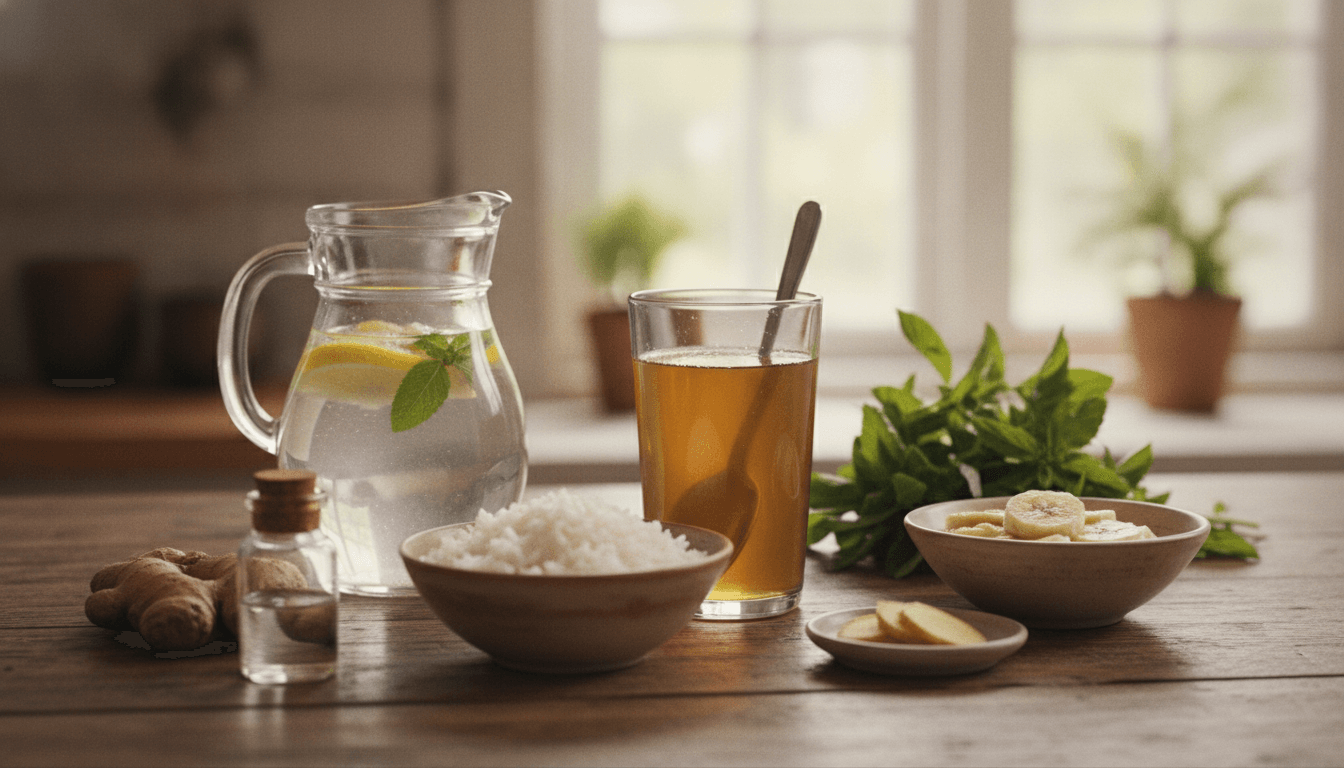
Learn what to eat in loose motion, including suitable foods, ORS, hydration tips and home remedies. Find out which foods to avoid, how to manage diarrhea and when to consult a doctor.
Loose motion, commonly called diarrhea, can happen suddenly and may cause frequent watery stools, stomach discomfort, weakness and dehydration. It can be linked to infections, contaminated food or water, certain medicines, food intolerances or digestive problems.
If you are wondering what to eat in loose motion, choosing simple, easily tolerated foods while maintaining adequate hydration can help manage mild symptoms. However, recurring or persistent digestive problems may require evaluation by a Gastroenterology specialist to identify the underlying cause.
In this guide, we explain practical loose motion home remedies, what foods you can try, the importance of ORS, foods and drinks you may want to avoid, and signs that indicate you should consult a healthcare professional.
What Is Loose Motion?
Loose motion refers to passing stools that are softer, looser or more watery than usual. Diarrhea may occur for a short period or continue for longer depending on its underlying cause.
Common reasons include:
Viral or bacterial infections
Food contamination
Unsafe drinking water
Certain medications
Food intolerance
Digestive disorders
Sudden dietary changes
A few episodes may settle with fluids, rest and appropriate food choices. However, repeated or prolonged diarrhea should not be ignored.
Common Diarrhea Symptoms
Loose or watery stools are the most noticeable symptom, but diarrhea can also be accompanied by other digestive problems.
Common diarrhea symptoms include:
Frequent watery or loose stools
Abdominal cramps
Stomach discomfort
Bloating
Nausea
Urgent bowel movements
Weakness or tiredness
Increased thirst
Reduced urination due to fluid loss
The biggest concern during repeated loose stools is dehydration. This is why replacing lost fluids and electrolytes should be a priority.
What to Eat in Loose Motion?
When deciding what to eat in loose motion, choose foods that are mild, simple and comfortable for your digestive system.
You do not necessarily need to stop eating. If you have an appetite, small portions of suitable foods can help provide energy while your body recovers.
1. Banana
A ripe banana is soft and easy to eat. It also contains potassium, an electrolyte that may be lost when you have frequent loose stools.
You can have a banana on its own or include it as part of a light meal.
2. Plain Rice
Plain white rice is a simple carbohydrate that many people find easy to tolerate during stomach upset.
Keep it lightly prepared and avoid heavy spices, rich gravies and excess oil.
3. Toast or Plain Bread
Plain toast can be a convenient option when you want something light. Avoid rich spreads, excessive butter or spicy toppings while your stomach is unsettled.
4. Boiled Potatoes
Plain boiled potatoes can provide carbohydrates and energy without being too heavy.
Avoid fried potatoes or preparations containing lots of oil and spices.
5. Oatmeal
Plain oatmeal can be a suitable breakfast option for some people. Prepare it simply and avoid adding ingredients that may worsen your symptoms.
6. Light Khichdi
A simple khichdi made with rice and dal can be a practical Indian meal during recovery.
Keep the preparation mild, with limited oil, chilli and strong spices.
7. Clear Soup
A light soup or broth can provide fluids while giving you some nourishment.
Choose simple preparations rather than creamy, spicy or oily soups.
8. Plain Curd or Yogurt
Some people tolerate plain curd or yogurt during digestive upset. However, dairy can cause discomfort in some people, particularly after diarrhea.
If curd increases bloating or loose stools, avoid it temporarily.
9. Soft Cooked Foods
As your symptoms start improving, you can gradually add other soft, lightly prepared foods that you normally tolerate.
There is no need to remain on an extremely restrictive diet once your appetite and digestion begin returning to normal.
ORS for Diarrhea: Why Is It Important?
Repeated loose stools can cause the body to lose water and electrolytes. This makes ORS for diarrhea an important part of managing fluid loss.
Oral rehydration solution is designed to replace water and essential electrolytes. It can be especially useful when diarrhea is causing noticeable fluid loss.
How to use ORS properly
Prepare packaged ORS exactly according to the instructions.
Use clean drinking water.
Drink it in small, regular amounts.
Continue replacing fluids throughout the day.
If nausea makes drinking difficult, take small sips more frequently.
If you have severe dehydration, persistent vomiting or another medical condition affecting fluid balance, seek professional medical advice.
What to Drink During Loose Motion?
Along with ORS, staying hydrated throughout the day is important.
Depending on your symptoms and tolerance, you can have:
Water
ORS
Clear soups
Light broths
Other suitable electrolyte-containing fluids
Avoid relying on very sugary drinks to replace lost fluids. Excessive caffeine and alcohol should also be avoided while you are recovering.
Foods to Avoid During Diarrhea
Knowing what to eat in diarrhea is only one part of managing symptoms. Certain foods may make digestive discomfort worse for some people.
Consider limiting:
Fried and Oily Foods
Deep-fried foods can be heavy and may worsen stomach discomfort.
Very Spicy Foods
Chilli-heavy foods and strong spices may irritate an already sensitive digestive system.
Alcohol
Alcohol can contribute to dehydration and may aggravate digestive symptoms.
Excessive Caffeine
Large amounts of coffee, tea or other caffeinated beverages may not be ideal when you are trying to stay hydrated.
Very Sugary Foods and Drinks
Large amounts of sugar can sometimes aggravate loose stools.
Dairy if It Causes Discomfort
If milk, ice cream or other dairy products increase bloating or diarrhea, avoid them temporarily and reintroduce them gradually.
Loose Motion Home Remedies for Mild Symptoms
For mild diarrhea, some simple measures can make recovery more comfortable.
Stay Hydrated
Replace fluids regularly, particularly after episodes of loose stools. ORS can help replenish fluids and electrolytes.
Eat Smaller Portions
If large meals make you uncomfortable, divide your food into smaller portions throughout the day.
Take Adequate Rest
Frequent loose stools can leave you tired. Give your body enough time to recover.
Maintain Hand Hygiene
Wash your hands properly after using the toilet and before eating or preparing food, particularly if an infection may be involved.
Gradually Resume Your Regular Diet
Once your appetite improves, slowly reintroduce your normal balanced meals. You do not need to remain on a highly restricted diet indefinitely.
Simple Loose Motion Diet Plan
If you are looking for a practical loose motion diet, your meals can remain simple while symptoms are active.
Morning
Banana
Plain toast
Water or ORS
Mid-Morning
Water or ORS in small amounts
A light snack if hungry
Lunch
Plain rice
Mild khichdi
Boiled potato
Evening
Plain toast or banana
Suitable fluids
Dinner
Light khichdi
Plain rice
Clear soup or another easily tolerated meal
This is only a general example. Food tolerance varies from person to person, so choose foods that suit you and stop anything that clearly worsens your symptoms.
Best Foods for Diarrhea: Quick Reference
Food | Why You May Choose It | Suggested Preparation |
|---|---|---|
Banana | Soft and provides potassium | Plain |
White rice | Simple and mild | Plain cooked |
Toast | Light source of carbohydrates | Plain |
Boiled potato | Provides energy | Boiled, lightly seasoned |
Oatmeal | Mild breakfast option | Plain |
Khichdi | Soft and easy to eat | Mild and low in oil |
Plain curd | May be tolerated by some people | Unsweetened, if tolerated |
Clear soup | Provides fluids | Non-spicy and light |
Remember that no single food can stop every case of diarrhea. The cause and severity of the condition matter.
When Does Diarrhea Need Medical Attention?
Mild diarrhea may improve with supportive care, but some symptoms indicate that you should speak with a healthcare professional.
Seek medical advice if you experience:
Blood in the stool
Severe or worsening abdominal pain
Persistent vomiting
Signs of significant dehydration
High fever
Severe weakness or dizziness
Diarrhea that continues without improvement
Frequent recurring episodes
Unexplained weight loss
Children, older adults and people with existing medical conditions may need medical advice sooner because dehydration can become a concern more quickly.
When to Consult a Gastroenterology Specialist?
If loose motion keeps coming back or does not settle as expected, it may be necessary to investigate the underlying cause rather than repeatedly relying on home remedies.
A Gastroenterology specialist can assess ongoing digestive symptoms and determine whether further evaluation or treatment is required.
Depending on your symptoms, a doctor may consider possible causes such as infection, food intolerance, medication-related problems or an underlying gastrointestinal condition.
Diarrhea Treatment: Why the Cause Matters
The right diarrhea treatment depends on why the diarrhea is occurring.
For many short-term cases, treatment focuses on hydration, electrolyte replacement and suitable nutrition. However, diarrhea caused by certain infections, medicines or underlying digestive conditions may require specific medical management.
Do not start antibiotics on your own simply because you have loose motion. Antibiotics are not appropriate for every cause of diarrhea.
Similarly, medicines that reduce bowel movements may not be suitable in certain situations. If you have blood in your stool, significant fever or severe symptoms, consult a doctor before taking such medication.
How to Prevent Loose Motion
A few everyday habits can reduce the risk of diarrhea caused by contaminated food or water.
Drink Safe Water
Use safe drinking water and be cautious about water sources when travelling.
Wash Your Hands
Wash your hands with soap before eating and after using the toilet.
Handle Food Safely
Eat freshly prepared food where possible and avoid food that has been stored improperly.
Wash Produce
Clean fruits and vegetables properly before consuming them.
Be Careful While Travelling
When travelling, pay attention to drinking water, raw foods and food hygiene to reduce the risk of stomach infections.
Conclusion
Knowing what to eat in loose motion can help you maintain nutrition while your digestive system recovers. Simple foods, adequate fluids, ORS and rest are useful for managing mild symptoms, while gradually returning to a balanced diet can support recovery.
However, loose motion is a symptom rather than a single disease. If it becomes severe, continues for longer than expected or repeatedly returns, finding the underlying cause is important.
If you have ongoing digestive concerns, a Gastroenterology consultation can help determine the appropriate next step. Healing Hospital can be considered for professional evaluation when symptoms require medical attention.
Get Professional Help for Persistent Digestive Symptoms
Don't let recurring loose motion or persistent diarrhea affect your daily routine. If your symptoms are severe, prolonged or accompanied by warning signs, timely medical evaluation can help identify the cause and guide appropriate treatment.
For appointments and assistance:
📞 Call: +91-9464343434, 01725088883
📧 Email: info@healinghospital.co.in
Get the right medical guidance when home management is no longer enough.
Frequently Asked Questions
1. What to eat in loose motion to feel better?
Choose simple foods that you can comfortably tolerate, such as banana, plain rice, toast, boiled potato, oatmeal or mild khichdi. Keep portions small and continue drinking adequate fluids.
2. Which foods should I avoid during loose motion?
Limit fried, oily and heavily spiced foods, alcohol and very sugary drinks. If dairy products worsen your symptoms, avoid them temporarily until your digestion improves.
3. How does ORS help during diarrhea?
ORS helps replace water and electrolytes lost through repeated loose stools. It is particularly useful for reducing the risk of dehydration when fluid losses are significant.
4. How long can I manage loose motion at home?
Mild, short-term loose motion may improve with hydration, rest and suitable food. However, if symptoms are persistent, severe or accompanied by blood in the stool, high fever, severe pain or dehydration, consult a doctor rather than relying only on home remedies.
5. When should I consult a doctor at Healing Hospital for loose motion?
Consider consulting a doctor at Healing Hospital if diarrhea continues without improvement, keeps recurring or is accompanied by concerning symptoms such as severe abdominal pain, dehydration, blood in the stool or persistent vomiting.
6. Can a Gastroenterology specialist at Healing Hospital help with recurring diarrhea?
Yes. If loose motion or diarrhea keeps returning, a Gastroenterology consultation at Healing Hospital can help assess possible digestive causes and determine whether further evaluation or treatment is needed.
7. Is it necessary to visit Healing Hospital for every episode of loose motion?
Not necessarily. Mild, short-term symptoms may settle with adequate hydration and suitable food. However, Healing Hospital can be considered when symptoms are persistent, severe, recurrent or accompanied by warning signs that require medical assessment.
8. Can I eat curd during diarrhea?
Plain curd or yogurt may be tolerated by some people, but dairy can worsen symptoms in others. If you notice increased bloating or loose stools after consuming it, avoid it temporarily.
9. Can loose motion be stopped naturally?
Supportive measures such as adequate hydration, ORS, rest and suitable foods can help manage mild symptoms. However, there is no single natural remedy that safely stops every type of diarrhea. Persistent symptoms should be medically evaluated.