 24X7
24X7
Understand slip disc symptoms, causes, pain patterns, treatment options and recovery exercises. Learn when physiotherapy may help and which warning signs need prompt medical evaluation.
A slip disc can cause anything from mild back discomfort to sharp pain that travels into the leg or arm. For some people, symptoms begin after lifting something heavy. For others, the pain develops gradually because of age-related wear, posture problems or repeated strain on the spine.
The term slip disc is commonly used for a herniated or prolapsed disc. The disc itself does not literally “slip.” Instead, part of the soft inner material pushes through a weakened area of the outer disc and may irritate or compress a nearby nerve.
The good news is that many people improve with conservative treatment, including pain management, activity modification, physiotherapy and a gradual return to normal movement. Understanding the symptoms and knowing when to seek medical care can make recovery safer and more effective.
What Is a Slip Disc?
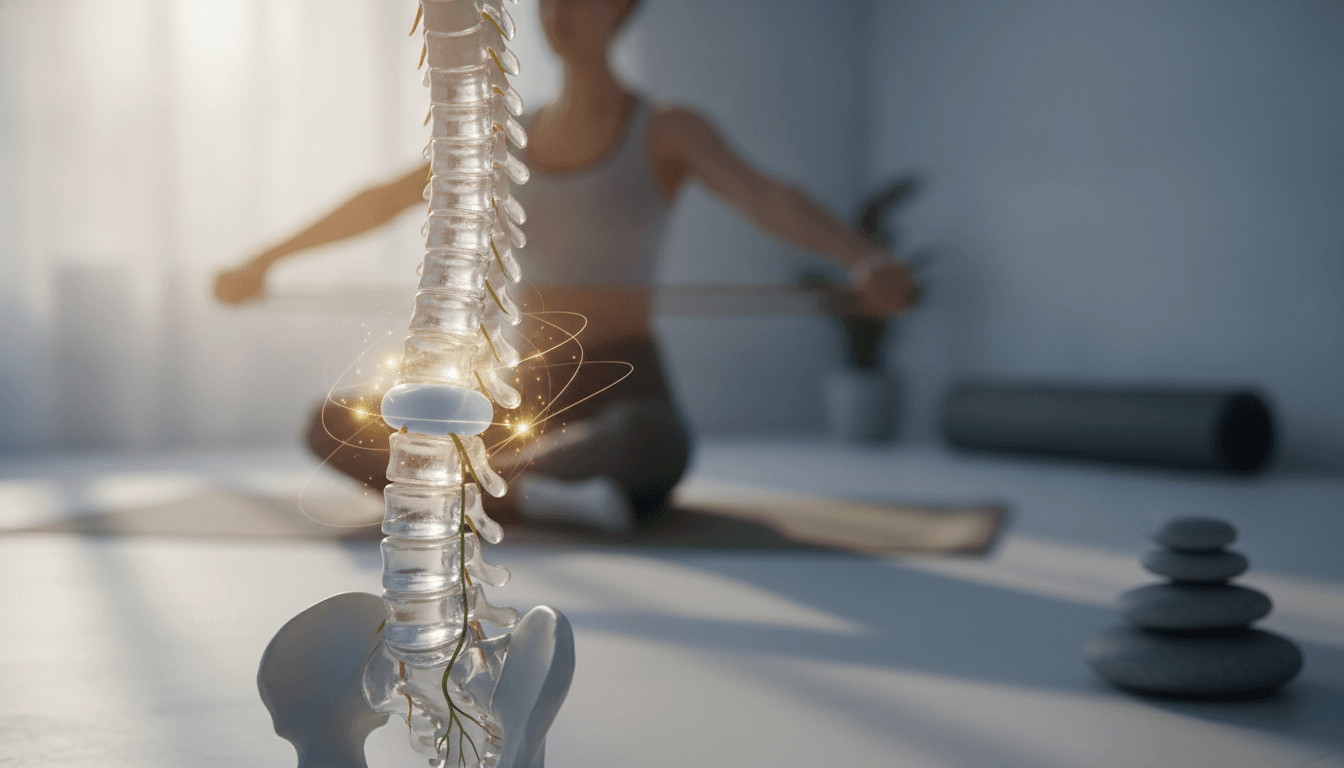
The spine is made up of bones called vertebrae. Between these bones are soft discs that act as cushions and help the spine move smoothly.
Each disc has a tougher outer layer and a softer centre. If the outer layer weakens or tears, part of the inner material can bulge or herniate outward.
If this material presses on a nearby nerve, symptoms may develop.
A slip disc can occur in different parts of the spine, but it is more common in the lower back and neck.
Common Slipped Disc Symptoms
Slipped disc symptoms vary depending on the location of the affected disc and whether a nerve is involved.
Common symptoms may include:
Lower back or neck pain
Pain radiating into the leg or arm
Tingling or pins-and-needles sensation
Numbness
Muscle weakness
Pain that worsens with certain movements
Difficulty sitting or standing for long periods
Some people have disc changes on imaging without experiencing any symptoms at all.
What Does Slip Disc Pain Feel Like?
Slip disc pain may feel different from ordinary muscle soreness.
In the lower back, pain may travel into the buttock, thigh, calf or foot. This type of radiating pain is often described as sciatica when the sciatic nerve is affected.
In the neck, pain may spread into the shoulder, arm or hand.
The pain may become worse with:
Bending
Twisting
Lifting
Coughing
Sneezing
Prolonged sitting
Pain intensity does not always reflect how serious the disc problem is, so persistent symptoms should be properly assessed.
Common Slip Disc Causes
Several factors can contribute to a herniated disc.
Age-Related Disc Changes
As we age, spinal discs gradually lose water content and flexibility, making them more vulnerable to injury.
Incorrect Lifting
Lifting a heavy object with the back instead of using the legs can place excessive pressure on spinal discs.
Repetitive Bending or Twisting
Jobs or activities that involve repeated spinal strain can increase the risk.
Excess Body Weight
Extra weight can increase pressure on the lower back.
Sedentary Lifestyle
Weak core and back muscles may reduce spinal support.
Sudden Injury
A fall, impact or awkward movement can sometimes contribute to disc injury.
How Is a Slip Disc Diagnosed?
Diagnosis usually begins with a medical history and physical examination.
The doctor may assess:
Pain location
Muscle strength
Reflexes
Sensation
Range of movement
Signs of nerve irritation
Imaging such as MRI may be recommended when symptoms are severe, persistent or associated with neurological problems.
Not every person with back pain needs an MRI immediately.
Slip Disc Treatment: What Are the Main Options?
Treatment for a slip disc should be planned according to the location of the affected disc, severity of pain and presence of nerve-related symptoms. An orthopedic specialist can assess spinal movement, muscle strength and neurological symptoms to determine whether conservative care, physiotherapy or further intervention may be required.
1. Activity Modification
Complete bed rest is generally not helpful for prolonged periods.
Instead, patients are often advised to avoid activities that clearly worsen symptoms while continuing gentle movement as tolerated.
2. Pain Management
Doctors may recommend medication to control pain and inflammation depending on the individual case.
Medication should be used according to medical advice rather than self-treatment for long periods.
3. Physiotherapy
Physiotherapy can help improve movement, posture, flexibility and muscle strength.
A physiotherapist may design exercises based on:
Disc location
Pain pattern
Muscle weakness
Daily activity level
Recovery stage
4. Posture and Movement Training
Learning safer ways to sit, lift, bend and move can reduce repeated strain on the spine.
5. Injections
In selected patients, injections may be considered when pain remains severe despite conservative treatment.
6. Surgery
Surgery is not required for every slip disc.
It may be considered when there is:
Progressive muscle weakness
Severe persistent nerve pain
Significant neurological deficit
Loss of bladder or bowel control
Failure of appropriate conservative treatment
Slip Disc Exercise: When Is Exercise Helpful?
Slip disc exercise can be an important part of recovery, but the right exercise depends on the individual.
Exercises should not be chosen only from generic online videos because movements that help one person may worsen another person’s symptoms.
A rehabilitation programme may include:
Gentle mobility exercises
Core strengthening
Back strengthening
Hip and hamstring flexibility
Posture correction
Gradual functional training
The main goal is to restore movement and reduce the risk of future episodes.
Exercises to Avoid During Acute Pain
During a painful flare-up, avoid forcing movements that clearly increase radiating pain, numbness or weakness.
Depending on the condition, patients may need to temporarily avoid:
Heavy lifting
Deep bending
Repetitive twisting
High-impact exercise
Aggressive stretching
A physiotherapist or spine specialist can guide which movements are appropriate.
How Long Does Slip Disc Recovery Take?
Recovery time varies.
Some people improve within a few weeks, while others may need a longer period of rehabilitation.
Factors that affect recovery include:
Severity of nerve irritation
Overall health
Activity level
Treatment consistency
Presence of muscle weakness
Recurrence of symptoms
Progress should be measured by function as well as pain reduction.
Can a Slip Disc Heal Without Surgery?
Yes, many cases improve without surgery.
The body can gradually reduce inflammation around the nerve, and the herniated material may shrink over time.
Conservative treatment often focuses on:
Pain control
Mobility
Strengthening
Gradual return to activity
Preventing future strain
Surgery is generally reserved for selected cases rather than used as the first option for everyone.
When Should You See a Doctor?
Medical evaluation is recommended if:
Pain is severe or persistent
Pain travels into the leg or arm
Numbness or tingling continues
Muscle weakness develops
Walking becomes difficult
Symptoms repeatedly return
Seek urgent medical attention if you develop:
New bladder or bowel control problems
Severe weakness in the legs
Numbness around the inner thighs or groin
Rapid worsening of neurological symptoms
These can indicate serious nerve compression.
How Can You Reduce the Risk of Future Slip Disc Problems?
Recovery should also focus on prevention.
Helpful habits include:
Maintain a healthy body weight
Strengthen core muscles
Lift with proper technique
Avoid prolonged sitting
Take regular movement breaks
Improve workstation ergonomics
Exercise consistently
Follow physiotherapy advice
Small daily changes can be more effective than occasional intense exercise.
Conclusion
A slip disc can cause back pain, radiating nerve pain, numbness or weakness, but many cases can be managed successfully without surgery.
The right treatment depends on the severity of symptoms, the location of the disc problem and whether nerves are affected. Pain management, physiotherapy, movement correction and appropriate exercises can all play an important role in recovery.
If symptoms are persistent, worsening or associated with weakness or numbness, timely medical evaluation can help identify the cause and guide the right treatment plan.
At Healing Hospital, patients with persistent back pain, slip disc symptoms or mobility concerns can seek specialist evaluation and personalised guidance based on their condition and recovery needs.
Need Expert Evaluation for Slip Disc Pain?
If back or neck pain is affecting your movement, sleep or daily activities, a proper medical assessment can help determine whether a slip disc or another spinal condition is responsible.
For specialist consultation, diagnosis and personalised treatment support, contact Healing Hospital.
Call: +91-9464343434, 01725088883
Email: info@healinghospital.co.in
Frequently Asked Questions
1. What are the early symptoms of a slip disc?
Early slip disc symptoms may include back or neck pain, tingling, numbness, stiffness, or pain that travels into the arm or leg. Symptoms can become more noticeable during bending, lifting, coughing, or prolonged sitting.
2. What is the best treatment for a slip disc?
The best slip disc treatment depends on the severity of pain and whether nerves are involved. Many cases improve with pain management, activity modification, physiotherapy, posture correction, and guided exercises.
3. Can slip disc pain go away without surgery?
Yes, many people improve without surgery. Slip disc pain may reduce as inflammation settles and the affected disc heals over time. Surgery is usually considered only when severe or progressive nerve problems are present.
4. Which exercises are safe for slip disc recovery?
Safe slip disc exercises may include gentle mobility, core-strengthening, posture correction, and flexibility exercises. Because the right movements depend on the affected spinal level, it is better to follow a physiotherapist-guided plan.
5. When should I consult a specialist for slip disc symptoms?
You should seek medical advice if pain continues for several weeks, keeps returning, travels into the arm or leg, or is accompanied by numbness or weakness. Patients can consult specialists at Healing Hospital for evaluation and a personalised treatment plan.
6. What are the common causes of a slip disc?
Common slip disc causes include age-related disc degeneration, incorrect lifting technique, repeated bending or twisting, excess body weight, weak supporting muscles, and sudden spinal strain.
7. Can Healing Hospital help with slip disc treatment and rehabilitation?
Yes. Healing Hospital can support patients with diagnosis, pain management, specialist consultation, and rehabilitation planning based on the severity of symptoms and nerve involvement. The treatment approach is tailored to the individual rather than using the same plan for every patient.
8. When does a slip disc need urgent medical attention?
Seek urgent medical care if slip disc symptoms are accompanied by new bladder or bowel control problems, severe or rapidly worsening weakness, difficulty walking, or numbness around the groin or inner thighs. These may indicate serious nerve compression.