 24X7
24X7
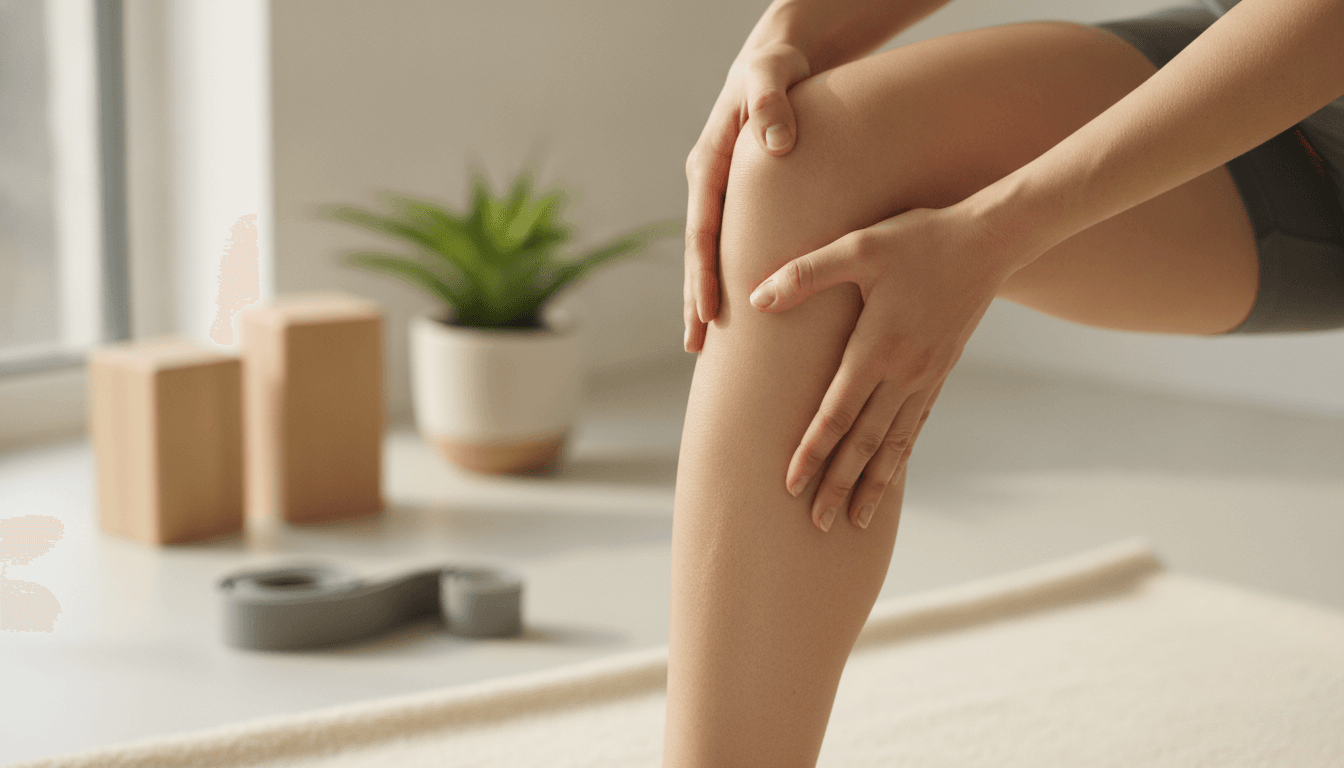
Knee pain treatment starts with understanding why the pain is happening, how severe it is and whether the joint needs medical review. If knee joint pain appears after a minor strain, careful home care and guided movement may help. If pain follows injury, swelling, locking, fever or difficulty bearing weight, you need a doctor’s assessment before you try exercises.
This guide explains common knee pain causes, safe home steps, knee pain exercises, medicine options and warning signs. It also helps you decide when an orthopaedic consultation makes sense, especially if knee pain while walking, climbing stairs or running starts to limit daily movement.
What Causes Knee Pain?
Knee pain causes range from short-term strain to joint conditions that need longer care, so the first useful step is to connect the pain pattern with what changed recently. Your doctor usually looks at where the pain sits, what brings it on, whether swelling is present and how the knee behaves during movement.
Common causes include ligament sprains, meniscus irritation, tendon strain, kneecap tracking problems, bursitis, osteoarthritis, rheumatoid arthritis affecting the joint, referred pain from the hip or back, and pain after a fall or twist. Knee pain after running may come from training load, footwear, running surface, muscle weakness or kneecap irritation. Knee pain in young adults often links with sports strain, overuse, alignment or previous injury, while knee pain in old age more often raises concern for osteoarthritis, muscle weakness or balance-related stress on the joint.
The same symptom can have different reasons. Knee pain while climbing stairs often points to stress around the kneecap or arthritis behind the kneecap, but your doctor still needs an examination to confirm what is driving the pain. Once you know the likely cause, treatment becomes safer and more specific.
Knee Pain Symptoms That Need Medical Review
Some knee pain symptoms settle with rest and gradual movement, but certain signs mean you need timely medical advice. NHS guidance advises urgent help if severe knee pain follows injury, the knee changes shape, you cannot move it or bear weight, swelling is severe, the knee locks or gives way, or you have fever with a hot, red knee.
Seek urgent medical care if you notice:
● Severe pain after a fall, twist or direct impact
● Inability to stand, walk or bend the knee
● Sudden, marked swelling around the joint
● A hot, red, very painful knee with fever
● Visible deformity or a knee that looks out of place
● Locking, repeated giving way or loss of movement
Book a routine orthopaedic consultation if pain lasts more than a few weeks, keeps returning with activity, affects sleep, limits stairs or walking, or does not improve with sensible home care. These signs do not always mean a serious problem, but they do mean you may benefit from examination, tests and a clear treatment plan.
How To Reduce Knee Pain At Home Safely
Home care works best when knee pain is mild, there is no major injury and you can still bear weight. The aim is to calm irritation without making the joint stiff, because complete rest for too long can reduce strength and slow your return to movement.
Start with relative rest, which means you reduce painful activities rather than stopping all movement. You may use an ice pack for 15 to 20 minutes at a time, especially after activity or swelling. Light compression and elevation may help swelling, and supportive footwear can reduce strain during walking. Mayo Clinic lists rest, ice, compression and elevation among common self-care steps for knee pain.
Knee pain home remedies should stay simple and safe. Heat may feel better for stiffness, while ice often suits recent swelling. Gentle stretching may help if muscles feel tight, but forceful stretching can irritate the joint. Avoid deep squats, sudden running, jumping or heavy leg workouts until pain settles or a doctor clears you.
If home care reduces pain, the next step is to rebuild strength and movement gradually. If home care does not help, medical review helps you avoid repeating the same strain.
Knee Pain Exercises That Support Mobility
Knee pain exercises work when they match your current pain level and build support around the joint. The best exercise for knee pain is not one fixed movement for everyone; it is the safest movement your knee tolerates while your hip, thigh and calf muscles get stronger.
A simple starter routine may include:
● Straight-leg raises: Lie on your back, keep one knee bent and lift the other leg slowly. This strengthens the quadriceps without forcing deep knee bending.
● Heel slides: Slide your heel towards your hips and back again while lying down. This helps knee bending when stiffness limits movement.
● Static quadriceps contractions: Tighten the front thigh muscle with the leg straight, hold briefly and relax. This keeps the thigh active when the knee feels sore.
● Supported mini squats: Hold a chair or wall and bend only a little. This trains control for daily movements without loading the knee too deeply.
● Step-ups on a low step: Step up slowly when pain allows. This builds the control you need for stairs.
AAOS knee exercise guidance includes strengthening and flexibility work for muscles that support the knee, including quadriceps and hamstring exercises. During any exercise, pain should stay mild and settle after you stop. If pain increases, swelling returns or the knee feels unstable, stop and ask a doctor or physiotherapist for guidance.
As movement improves, exercises can progress from floor-based strength to balance, stairs and walking tolerance. Progress matters, but pain response matters more.
Knee Pain While Walking, Climbing Stairs Or Running
Pain during daily movement gives useful clues because walking, stairs and running load the knee in different ways. Your treatment plan becomes more practical when it focuses on the movement that causes trouble.
Pain Pattern | What It May Suggest | What You Can Do Next |
Knee pain while walking | Joint irritation, arthritis, muscle weakness or altered gait | Reduce distance briefly, use supportive footwear and seek review if pain persists |
Knee pain while climbing stairs | Kneecap joint stress, thigh weakness or arthritis | Try step-ups only if pain stays mild, and avoid repeated stair training during a flare |
Knee pain after running | Overuse, training error, tendon strain or kneecap irritation | Reduce running load, switch to low-impact exercise and restart gradually |
Pain with locking or giving way | Meniscus, ligament or mechanical joint issue | Avoid exercise progression and book medical assessment |
This comparison does not diagnose the cause, but it helps you describe your symptoms clearly during consultation. The more specific you are about what triggers pain, the easier it becomes for your doctor to choose the right examination and tests.
Knee Pain Medicine And Other Treatment Options
Knee pain medicine may reduce symptoms while the underlying cause improves, but medicine works best as part of a wider plan. Your doctor may suggest topical pain-relief gels, oral pain medicines, anti-inflammatory medicines or other options depending on your age, medical history, stomach health, kidney health, blood pressure and current prescriptions.
Do not start or repeat strong pain medicines without medical advice, especially if you have long-term health conditions or take blood thinners. For osteoarthritis, NICE guidance supports exercise and weight management as core care, and topical non-steroidal anti-inflammatory medicines may help knee osteoarthritis pain for suitable patients. NIAMS also notes that exercise, weight management, medicines and selected procedures may form part of osteoarthritis care, depending on symptoms and function.
Treatment may include physiotherapy, bracing, activity changes, injections or surgery in selected cases. If pain comes from arthritis, ligament injury, meniscus tear or long-term alignment issues, your doctor will match treatment to the diagnosis rather than treating pain alone.
How An Orthopaedic Doctor Evaluates Knee Pain
When knee pain keeps returning or limits movement, an orthopaedic evaluation helps identify whether the problem involves bone, cartilage, ligaments, tendons, muscles, nerves or walking pattern. Your consultation usually starts with your symptoms, activity history, past injuries and medical conditions.
At Healing Hospital, Chandigarh, orthopaedic care may include examination and diagnostic tests based on what your doctor finds. The hospital’s orthopaedic services describe tests such as X-rays, MRI, CT scans, ultrasound-guided assessments, DEXA for bone density and nerve conduction studies. These tests help your doctor confirm the cause, rule out related problems and plan treatment around your daily function.
You may not need every test. A careful examination often decides which test, if any, adds value. This keeps care focused on the question that matters most: what is causing the pain, and what is the safest way to improve movement?
Next Steps For Knee Pain Relief
Knee pain relief usually comes from the right mix of protection, movement, strength work, medicine when suitable and medical review when symptoms do not settle. If your pain is mild and there are no warning signs, start with short-term home care and gentle exercises. If pain persists, returns with stairs or walking, follows injury, or affects daily activity, an orthopaedic consultation can help you avoid guesswork.
If knee pain persists, follows an injury or limits daily movement, an orthopaedic consultation can help identify the cause and guide treatment. Use the appointment details below to request a consultation at Healing Hospital, Chandigarh. If you have severe swelling, fever with a hot red knee, visible deformity, locking or an inability to bear weight, seek urgent medical care.
MOVE WITH GREATER COMFORT AND CONFIDENCE Persistent knee pain, swelling, stiffness or difficulty walking deserves a personalised orthopaedic assessment at Healing Hospital, Chandigarh. Book an Orthopaedic Consultation Call: +91-9464343434, 01725088883 Email: info@healinghospital.co.in Urgent symptoms such as a hot red knee with fever, deformity or inability to bear weight need prompt medical care rather than a routine appointment. |
Knee pain treatment starts with understanding why the pain is happening, how severe it is and whether the joint needs medical review. If knee joint pain appears after a minor strain, careful home care and guided movement may help. If pain follows injury, swelling, locking, fever or difficulty bearing weight, you need a doctor’s assessment before you try exercises.
This guide explains common knee pain causes, safe home steps, knee pain exercises, medicine options and warning signs. It also helps you decide when an orthopaedic consultation makes sense, especially if knee pain while walking, climbing stairs or running starts to limit daily movement.
What Causes Knee Pain?
Knee pain causes range from short-term strain to joint conditions that need longer care, so the first useful step is to connect the pain pattern with what changed recently. Your doctor usually looks at where the pain sits, what brings it on, whether swelling is present and how the knee behaves during movement.
Common causes include ligament sprains, meniscus irritation, tendon strain, kneecap tracking problems, bursitis, osteoarthritis, rheumatoid arthritis affecting the joint, referred pain from the hip or back, and pain after a fall or twist. Knee pain after running may come from training load, footwear, running surface, muscle weakness or kneecap irritation. Knee pain in young adults often links with sports strain, overuse, alignment or previous injury, while knee pain in old age more often raises concern for osteoarthritis, muscle weakness or balance-related stress on the joint.
The same symptom can have different reasons. Knee pain while climbing stairs often points to stress around the kneecap or arthritis behind the kneecap, but your doctor still needs an examination to confirm what is driving the pain. Once you know the likely cause, treatment becomes safer and more specific.
Knee Pain Symptoms That Need Medical Review
Some knee pain symptoms settle with rest and gradual movement, but certain signs mean you need timely medical advice. NHS guidance advises urgent help if severe knee pain follows injury, the knee changes shape, you cannot move it or bear weight, swelling is severe, the knee locks or gives way, or you have fever with a hot, red knee.
Seek urgent medical care if you notice:
● Severe pain after a fall, twist or direct impact
● Inability to stand, walk or bend the knee
● Sudden, marked swelling around the joint
● A hot, red, very painful knee with fever
● Visible deformity or a knee that looks out of place
● Locking, repeated giving way or loss of movement
Book a routine orthopaedic consultation if pain lasts more than a few weeks, keeps returning with activity, affects sleep, limits stairs or walking, or does not improve with sensible home care. These signs do not always mean a serious problem, but they do mean you may benefit from examination, tests and a clear treatment plan.
How To Reduce Knee Pain At Home Safely
Home care works best when knee pain is mild, there is no major injury and you can still bear weight. The aim is to calm irritation without making the joint stiff, because complete rest for too long can reduce strength and slow your return to movement.
Start with relative rest, which means you reduce painful activities rather than stopping all movement. You may use an ice pack for 15 to 20 minutes at a time, especially after activity or swelling. Light compression and elevation may help swelling, and supportive footwear can reduce strain during walking. Mayo Clinic lists rest, ice, compression and elevation among common self-care steps for knee pain.
Knee pain home remedies should stay simple and safe. Heat may feel better for stiffness, while ice often suits recent swelling. Gentle stretching may help if muscles feel tight, but forceful stretching can irritate the joint. Avoid deep squats, sudden running, jumping or heavy leg workouts until pain settles or a doctor clears you.
If home care reduces pain, the next step is to rebuild strength and movement gradually. If home care does not help, medical review helps you avoid repeating the same strain.
Knee Pain Exercises That Support Mobility
Knee pain exercises work when they match your current pain level and build support around the joint. The best exercise for knee pain is not one fixed movement for everyone; it is the safest movement your knee tolerates while your hip, thigh and calf muscles get stronger.
A simple starter routine may include:
● Straight-leg raises: Lie on your back, keep one knee bent and lift the other leg slowly. This strengthens the quadriceps without forcing deep knee bending.
● Heel slides: Slide your heel towards your hips and back again while lying down. This helps knee bending when stiffness limits movement.
● Static quadriceps contractions: Tighten the front thigh muscle with the leg straight, hold briefly and relax. This keeps the thigh active when the knee feels sore.
● Supported mini squats: Hold a chair or wall and bend only a little. This trains control for daily movements without loading the knee too deeply.
● Step-ups on a low step: Step up slowly when pain allows. This builds the control you need for stairs.
AAOS knee exercise guidance includes strengthening and flexibility work for muscles that support the knee, including quadriceps and hamstring exercises. During any exercise, pain should stay mild and settle after you stop. If pain increases, swelling returns or the knee feels unstable, stop and ask a doctor or physiotherapist for guidance.
As movement improves, exercises can progress from floor-based strength to balance, stairs and walking tolerance. Progress matters, but pain response matters more.
Knee Pain While Walking, Climbing Stairs Or Running
Pain during daily movement gives useful clues because walking, stairs and running load the knee in different ways. Your treatment plan becomes more practical when it focuses on the movement that causes trouble.
Pain Pattern | What It May Suggest | What You Can Do Next |
Knee pain while walking | Joint irritation, arthritis, muscle weakness or altered gait | Reduce distance briefly, use supportive footwear and seek review if pain persists |
Knee pain while climbing stairs | Kneecap joint stress, thigh weakness or arthritis | Try step-ups only if pain stays mild, and avoid repeated stair training during a flare |
Knee pain after running | Overuse, training error, tendon strain or kneecap irritation | Reduce running load, switch to low-impact exercise and restart gradually |
Pain with locking or giving way | Meniscus, ligament or mechanical joint issue | Avoid exercise progression and book medical assessment |
This comparison does not diagnose the cause, but it helps you describe your symptoms clearly during consultation. The more specific you are about what triggers pain, the easier it becomes for your doctor to choose the right examination and tests.
Knee Pain Medicine And Other Treatment Options
Knee pain medicine may reduce symptoms while the underlying cause improves, but medicine works best as part of a wider plan. Your doctor may suggest topical pain-relief gels, oral pain medicines, anti-inflammatory medicines or other options depending on your age, medical history, stomach health, kidney health, blood pressure and current prescriptions.
Do not start or repeat strong pain medicines without medical advice, especially if you have long-term health conditions or take blood thinners. For osteoarthritis, NICE guidance supports exercise and weight management as core care, and topical non-steroidal anti-inflammatory medicines may help knee osteoarthritis pain for suitable patients. NIAMS also notes that exercise, weight management, medicines and selected procedures may form part of osteoarthritis care, depending on symptoms and function.
Treatment may include physiotherapy, bracing, activity changes, injections or surgery in selected cases. If pain comes from arthritis, ligament injury, meniscus tear or long-term alignment issues, your doctor will match treatment to the diagnosis rather than treating pain alone.
How An Orthopaedic Doctor Evaluates Knee Pain
When knee pain keeps returning or limits movement, an orthopaedic evaluation helps identify whether the problem involves bone, cartilage, ligaments, tendons, muscles, nerves or walking pattern. Your consultation usually starts with your symptoms, activity history, past injuries and medical conditions.
At Healing Hospital, Chandigarh, orthopaedic care may include examination and diagnostic tests based on what your doctor finds. The hospital’s orthopaedic services describe tests such as X-rays, MRI, CT scans, ultrasound-guided assessments, DEXA for bone density and nerve conduction studies. These tests help your doctor confirm the cause, rule out related problems and plan treatment around your daily function.
You may not need every test. A careful examination often decides which test, if any, adds value. This keeps care focused on the question that matters most: what is causing the pain, and what is the safest way to improve movement?
Next Steps For Knee Pain Relief
Knee pain relief usually comes from the right mix of protection, movement, strength work, medicine when suitable and medical review when symptoms do not settle. If your pain is mild and there are no warning signs, start with short-term home care and gentle exercises. If pain persists, returns with stairs or walking, follows injury, or affects daily activity, an orthopaedic consultation can help you avoid guesswork.
If knee pain persists, follows an injury or limits daily movement, an orthopaedic consultation can help identify the cause and guide treatment. Use the appointment details below to request a consultation at Healing Hospital, Chandigarh. If you have severe swelling, fever with a hot red knee, visible deformity, locking or an inability to bear weight, seek urgent medical care.
MOVE WITH GREATER COMFORT AND CONFIDENCE Persistent knee pain, swelling, stiffness or difficulty walking deserves a personalised orthopaedic assessment at Healing Hospital, Chandigarh. Book an Orthopaedic Consultation Call: +91-9464343434, 01725088883 Email: info@healinghospital.co.in Urgent symptoms such as a hot red knee with fever, deformity or inability to bear weight need prompt medical care rather than a routine appointment. |
Frequently Asked Questions
1. What Is The Fastest Way To Reduce Knee Pain?
For mild knee pain without injury warning signs, relative rest, ice, light compression, elevation and gentle movement may help. If pain is severe, swelling is marked or you cannot bear weight, seek medical care instead of relying on home treatment.
2. Which Exercise Is Best For Knee Pain?
The best exercise depends on the cause of pain and how the knee responds to movement. Straight-leg raises, heel slides and static quadriceps contractions are often gentle starting options, but stop if pain increases, swelling returns or the knee feels unstable.
3. Can Knee Pain Home Remedies Cure Knee Pain?
Home remedies may reduce discomfort from a mild strain or temporary irritation, but they do not treat every cause. Persistent, recurring or injury-related pain needs an examination so the treatment can match the underlying problem.
4. Why Do I Get Knee Pain While Climbing Stairs?
Stairs place extra demand on the kneecap joint and thigh muscles. Pain may relate to kneecap irritation, muscle weakness or arthritis, but an examination is needed to identify the cause and decide whether exercise, medicine, physiotherapy or imaging is appropriate.
5. Is Knee Pain Common In Young Adults?
Yes. Knee pain in young adults may follow sports, running, gym training, overuse, previous injury or kneecap tracking problems. Pain that keeps returning, causes swelling or limits activity should be assessed by an orthopaedic doctor.
6. When Should I See A Doctor For Knee Joint Pain?
Book a consultation if pain lasts more than a few weeks, keeps returning, affects sleep, limits walking or stairs, or follows an injury. Seek urgent care for deformity, severe swelling, a hot red knee with fever, locking or an inability to bear weight.
7. Can Knee Pain Improve Without Surgery?
Many causes of knee pain can improve with activity changes, guided exercise, physiotherapy, weight management, bracing or medicine when suitable. Surgery is generally considered for selected conditions when symptoms and test findings show that it is necessary.
8. Should I Use Ice Or Heat For Knee Pain?
Ice may be more useful for recent swelling or pain after activity, while gentle heat may help stiffness. Protect the skin, use either for short periods and stop if symptoms worsen. A doctor or physiotherapist can advise which option fits your condition.