
 24X7
24X7
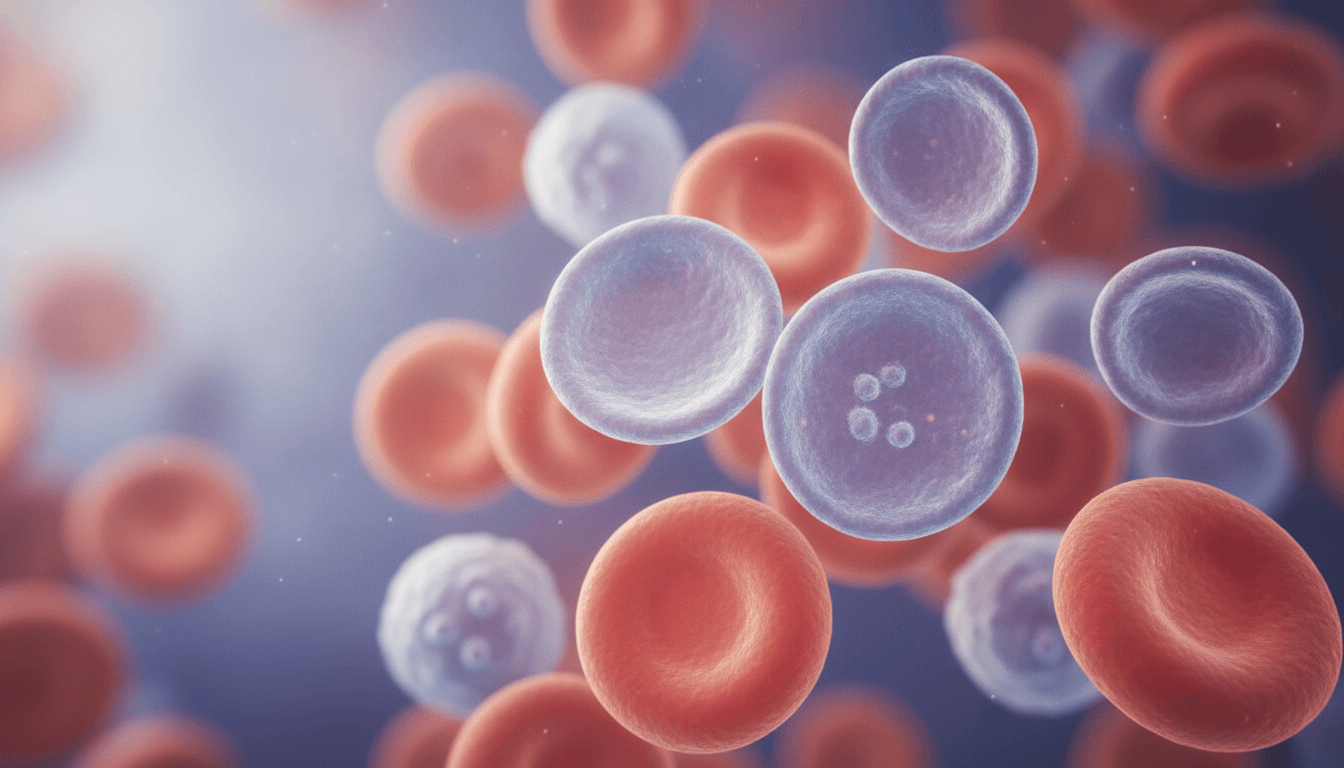
Understand what a normal platelet count means, learn about platelet count ranges, causes of high or low platelet levels, symptoms, and when to consult a doctor for abnormal blood test results.
A platelet count is one of the most familiar numbers on a complete blood count report, yet it is often misunderstood. Platelets are tiny blood-cell fragments produced in the bone marrow. Their main role is to gather at an injured blood vessel and help form a clot that slows or stops bleeding.
A platelet result may be normal, low or high. A low platelet count can increase the risk of bruising or bleeding, while a high platelet count may increase the chance of unwanted blood clots in some situations. However, the number alone does not explain the cause or determine the seriousness of the condition.
The platelet count meaning depends on the reference range used by the laboratory, the patient’s symptoms, the trend over time, other blood-cell results and the medical history. This guide explains the platelet count normal range, common causes of low and high results, the purpose of a platelet count test and when medical attention is recommended.
What Are Platelets and Why Are They Important?
Platelets, also called thrombocytes, are made in the bone marrow from larger cells known as megakaryocytes. They circulate in the blood and become activated when a blood vessel is damaged.
Activated platelets stick to the damaged area, release chemical signals and form a temporary plug. They also work with clotting proteins to create a stronger blood clot. This process helps prevent excessive blood loss after an injury.
What Is the Platelet Count Normal Range?
The National Heart, Lung, and Blood Institute lists a normal adult platelet count as approximately 150,000 to 400,000 platelets per microlitre of blood. Some laboratories use an upper limit of 450,000. The reference interval printed on your own report should always be used because ranges may vary slightly.
Platelet Result | Approximate count per microlitre | General Interpretation |
Normal platelet count | 150,000 to 400,000 | Usually within the expected range |
Mildly low | 100,000 to 150,000 | May require repeat testing and clinical review |
Moderately low | 50,000 to 100,000 | Bleeding risk may increase depending on the cause |
Seriously low | Below 50,000 | Medical assessment is important |
Very low | Below 20,000 | May carry a significant risk of spontaneous bleeding |
High platelet count | Above 450,000 | May be reactive or related to a bone-marrow condition |
These categories are general guides rather than self-diagnosis tools. A patient with a mildly abnormal count may need only monitoring, while another person with the same number may require urgent evaluation because of symptoms or an underlying illness.
What Is a Platelet Count Test?
A platelet count test measures the number of platelets in a sample of blood. It is usually included in a complete blood count, or CBC, along with red blood cells, white blood cells, haemoglobin and other measurements.
The test requires a small blood sample taken from a vein. Fasting is usually not required unless other blood tests are being performed at the same time.
Why Is a Platelet Count Test Ordered?
· As part of a routine CBC or preventive health check
· To investigate unexplained bruising or bleeding
· To evaluate frequent nosebleeds or heavy menstrual bleeding
· To investigate blood clots or symptoms that may suggest a clot
· To monitor infections, autoimmune disease, liver disease or bone-marrow conditions
· To assess the effects of medicines, chemotherapy or other treatments
· Before surgery or an invasive procedure
· To monitor a previously abnormal platelet count
What Does a Low Platelet Count Mean?
A low platelet count is called thrombocytopenia. It may develop because the bone marrow is not producing enough platelets, platelets are being destroyed or used too quickly, or platelets are being trapped in an enlarged spleen.
A low result does not always cause symptoms. The risk of bleeding generally increases as the count falls, but platelet function, other clotting problems and the underlying cause also matter.
Common Platelet Count Low Causes
1. Viral and Bacterial Infections
Dengue, viral hepatitis, HIV, COVID-19 and other infections may temporarily reduce platelet production or increase platelet destruction. The count often improves as the infection resolves, but monitoring may be required.
2. Immune Thrombocytopenia
In immune thrombocytopenia, the immune system mistakenly destroys platelets. The condition can occur in children or adults and may cause bruising, tiny red-purple skin spots or bleeding.
3. Medicines
Certain antibiotics, heparin, anti-seizure medicines, chemotherapy and other drugs can reduce platelet counts. The medicine should not be stopped without medical advice.
4. Bone-Marrow Disorders
Leukaemia, aplastic anaemia, myelodysplastic syndromes and other bone-marrow conditions may interfere with platelet production. These disorders often affect other blood-cell counts as well.
5. Liver Disease and Enlarged Spleen
Chronic liver disease can lead to an enlarged spleen, which may trap platelets and lower the circulating count. Reduced production of thrombopoietin, a hormone involved in platelet production, may also contribute.
6. Nutritional Deficiency
Severe vitamin B12 or folate deficiency can affect blood-cell production and may lead to a low platelet count along with other abnormalities.
Symptoms of a Low Platelet Count
· Easy or unexplained bruising
· Tiny red or purple spots on the skin, called petechiae
· Bleeding that takes longer than expected to stop
· Frequent nosebleeds
· Bleeding gums
· Heavy or prolonged menstrual bleeding
· Blood in urine or stool
· Unusual tiredness when blood loss or another condition is present
Severe headache, confusion, weakness on one side, vomiting blood, black stools or bleeding that does not stop requires urgent medical care.
What Does a High Platelet Count Mean?
A high platelet count is called thrombocytosis. It may be reactive, meaning the bone marrow is responding to another condition, or it may arise from a bone-marrow disorder that produces too many platelets.
Common Causes of High Platelet Count
1. Infection or Inflammation
Platelet count increase commonly occurs during infections, inflammatory diseases, tissue injury or recovery from surgery. This is known as reactive thrombocytosis and often improves when the underlying condition resolves.
2. Iron-Deficiency Anaemia
Iron deficiency can cause a reactive increase in platelets. The doctor may order iron studies when a high count is found alongside low haemoglobin or small red blood cells.
3. Recent Blood Loss or Spleen Removal
Platelets may rise after significant blood loss. People who have had their spleen removed may also have a persistently higher platelet count.
4. Bone-Marrow Disorders
Essential thrombocythaemia and other myeloproliferative disorders can cause the bone marrow to produce excessive platelets. These conditions may increase the risk of blood clots or, in some cases, bleeding.
Symptoms of a High Platelet Count
Many people with a high platelet count have no symptoms. When symptoms occur, they may relate to reduced or blocked blood flow.
· Headache or dizziness
· Temporary visual changes
· Numbness or tingling in the hands or feet
· Chest discomfort
· Shortness of breath
· Pain, swelling or warmth in one leg
· Weakness, facial droop or speech difficulty
Sudden chest pain, difficulty breathing, one-sided weakness, facial droop or trouble speaking may indicate a blood clot and requires emergency care.
Platelet Deficiency vs Low Platelet Count
The term platelet deficiency is often used informally to describe thrombocytopenia. However, platelet problems can involve both number and function. A person may have a normal platelet count but platelets that do not work properly, resulting in abnormal bleeding.
For this reason, doctors interpret the platelet count together with bleeding symptoms, medicines, clotting tests and sometimes platelet-function tests.
How Are Abnormal Platelet Results Evaluated?
The first step is often to repeat the CBC, particularly when the result is unexpected and the patient has no symptoms. Sometimes platelets clump in the collection tube, creating a falsely low automated count.
· Review of the complete blood count and previous results
· Peripheral blood smear examination
· Medical history, including infections, medicines and alcohol use
· Physical examination for bruising, bleeding, enlarged spleen or blood-clot symptoms
· Iron, vitamin B12 and folate testing
· Liver and kidney tests
· Tests for infection or autoimmune disease when indicated
· Bone-marrow testing in selected patients
Treatment for Low or High Platelet Count
Treatment depends on the cause, severity, symptoms and risk of complications. Some patients need only monitoring.
Treatment for a Low Platelet Count
· Treating an infection or nutritional deficiency
· Changing a medicine that is affecting platelets under medical supervision
· Medicines that reduce immune destruction in immune thrombocytopenia
· Platelet transfusion when severe bleeding or a very low count makes it necessary
· Treatment of liver, bone-marrow or autoimmune disease
Treatment for a High Platelet Count
· Treating infection, inflammation or iron deficiency
· Monitoring when reactive thrombocytosis is mild and temporary
· Medicines that lower platelet count in selected bone-marrow disorders
· Low-dose aspirin for certain patients when prescribed
· Management of blood-clot risk factors
Do not take aspirin or any blood-thinning medicine solely because the platelet count is high. Aspirin can increase bleeding risk and should only be used after medical evaluation.
Can Food Increase Platelet Count?
There is no single food that reliably raises a low platelet count caused by infection, immune disease or bone-marrow illness. A balanced diet can support overall blood-cell production, particularly when a nutritional deficiency is present.
· Include foods containing folate, vitamin B12, iron and protein
· Stay hydrated during illness
· Avoid alcohol when advised because it can affect platelet production
· Do not rely on herbal remedies or supplements without medical advice
When Should an Abnormal Platelet Count Receive Medical Attention?
Arrange medical review when the platelet count is repeatedly outside the laboratory range, changes significantly from a previous result or appears with symptoms.
Seek urgent care for:
· Bleeding that does not stop
· Vomiting blood or passing black stools
· Blood in urine
· Severe headache, confusion or fainting
· Sudden chest pain or shortness of breath
· One-sided weakness, facial droop or difficulty speaking
· Heavy bleeding during pregnancy
· A very low platelet count with new bruising or bleeding
Can Platelet Counts Change Temporarily?
Yes. Infection, inflammation, recent surgery, pregnancy, vigorous exercise, dehydration and medicines may temporarily affect the count. A repeat test after the underlying situation improves may show that the value has returned towards the normal range.
Conclusion
A normal platelet count is generally around 150,000 to 400,000 platelets per microlitre, although laboratory reference ranges may vary. A low platelet count may increase bleeding risk, while a high platelet count may be linked to reactive conditions or a higher risk of unwanted clot formation in some cases.
Platelet results should always be interpreted along with symptoms, other blood test values and medical history. Persistent or significant abnormalities require proper medical evaluation rather than self-treatment.
For accurate platelet count testing, CBC interpretation and expert diagnostic guidance, the Pathology & Diagnostics Department at Healing Hospital, Chandigarh provides reliable healthcare support with experienced medical professionals and advanced diagnostic facilities.
Need Help Understanding Your Platelet Count Report? For a platelet count test, CBC interpretation or further diagnostic evaluation, contact the Pathology & Diagnostics Department at Healing Hospital, Chandigarh. Call: +91 94643 43434 | 0172 508 8883 |
A platelet count is one of the most familiar numbers on a complete blood count report, yet it is often misunderstood. Platelets are tiny blood-cell fragments produced in the bone marrow. Their main role is to gather at an injured blood vessel and help form a clot that slows or stops bleeding.
A platelet result may be normal, low or high. A low platelet count can increase the risk of bruising or bleeding, while a high platelet count may increase the chance of unwanted blood clots in some situations. However, the number alone does not explain the cause or determine the seriousness of the condition.
The platelet count meaning depends on the reference range used by the laboratory, the patient’s symptoms, the trend over time, other blood-cell results and the medical history. This guide explains the platelet count normal range, common causes of low and high results, the purpose of a platelet count test and when medical attention is recommended.
What Are Platelets and Why Are They Important?
Platelets, also called thrombocytes, are made in the bone marrow from larger cells known as megakaryocytes. They circulate in the blood and become activated when a blood vessel is damaged.
Activated platelets stick to the damaged area, release chemical signals and form a temporary plug. They also work with clotting proteins to create a stronger blood clot. This process helps prevent excessive blood loss after an injury.
What Is the Platelet Count Normal Range?
The National Heart, Lung, and Blood Institute lists a normal adult platelet count as approximately 150,000 to 400,000 platelets per microlitre of blood. Some laboratories use an upper limit of 450,000. The reference interval printed on your own report should always be used because ranges may vary slightly.
Platelet Result | Approximate count per microlitre | General Interpretation |
Normal platelet count | 150,000 to 400,000 | Usually within the expected range |
Mildly low | 100,000 to 150,000 | May require repeat testing and clinical review |
Moderately low | 50,000 to 100,000 | Bleeding risk may increase depending on the cause |
Seriously low | Below 50,000 | Medical assessment is important |
Very low | Below 20,000 | May carry a significant risk of spontaneous bleeding |
High platelet count | Above 450,000 | May be reactive or related to a bone-marrow condition |
These categories are general guides rather than self-diagnosis tools. A patient with a mildly abnormal count may need only monitoring, while another person with the same number may require urgent evaluation because of symptoms or an underlying illness.
What Is a Platelet Count Test?
A platelet count test measures the number of platelets in a sample of blood. It is usually included in a complete blood count, or CBC, along with red blood cells, white blood cells, haemoglobin and other measurements.
The test requires a small blood sample taken from a vein. Fasting is usually not required unless other blood tests are being performed at the same time.
Why Is a Platelet Count Test Ordered?
· As part of a routine CBC or preventive health check
· To investigate unexplained bruising or bleeding
· To evaluate frequent nosebleeds or heavy menstrual bleeding
· To investigate blood clots or symptoms that may suggest a clot
· To monitor infections, autoimmune disease, liver disease or bone-marrow conditions
· To assess the effects of medicines, chemotherapy or other treatments
· Before surgery or an invasive procedure
· To monitor a previously abnormal platelet count
What Does a Low Platelet Count Mean?
A low platelet count is called thrombocytopenia. It may develop because the bone marrow is not producing enough platelets, platelets are being destroyed or used too quickly, or platelets are being trapped in an enlarged spleen.
A low result does not always cause symptoms. The risk of bleeding generally increases as the count falls, but platelet function, other clotting problems and the underlying cause also matter.
Common Platelet Count Low Causes
1. Viral and Bacterial Infections
Dengue, viral hepatitis, HIV, COVID-19 and other infections may temporarily reduce platelet production or increase platelet destruction. The count often improves as the infection resolves, but monitoring may be required.
2. Immune Thrombocytopenia
In immune thrombocytopenia, the immune system mistakenly destroys platelets. The condition can occur in children or adults and may cause bruising, tiny red-purple skin spots or bleeding.
3. Medicines
Certain antibiotics, heparin, anti-seizure medicines, chemotherapy and other drugs can reduce platelet counts. The medicine should not be stopped without medical advice.
4. Bone-Marrow Disorders
Leukaemia, aplastic anaemia, myelodysplastic syndromes and other bone-marrow conditions may interfere with platelet production. These disorders often affect other blood-cell counts as well.
5. Liver Disease and Enlarged Spleen
Chronic liver disease can lead to an enlarged spleen, which may trap platelets and lower the circulating count. Reduced production of thrombopoietin, a hormone involved in platelet production, may also contribute.
6. Nutritional Deficiency
Severe vitamin B12 or folate deficiency can affect blood-cell production and may lead to a low platelet count along with other abnormalities.
Symptoms of a Low Platelet Count
· Easy or unexplained bruising
· Tiny red or purple spots on the skin, called petechiae
· Bleeding that takes longer than expected to stop
· Frequent nosebleeds
· Bleeding gums
· Heavy or prolonged menstrual bleeding
· Blood in urine or stool
· Unusual tiredness when blood loss or another condition is present
Severe headache, confusion, weakness on one side, vomiting blood, black stools or bleeding that does not stop requires urgent medical care.
What Does a High Platelet Count Mean?
A high platelet count is called thrombocytosis. It may be reactive, meaning the bone marrow is responding to another condition, or it may arise from a bone-marrow disorder that produces too many platelets.
Common Causes of High Platelet Count
1. Infection or Inflammation
Platelet count increase commonly occurs during infections, inflammatory diseases, tissue injury or recovery from surgery. This is known as reactive thrombocytosis and often improves when the underlying condition resolves.
2. Iron-Deficiency Anaemia
Iron deficiency can cause a reactive increase in platelets. The doctor may order iron studies when a high count is found alongside low haemoglobin or small red blood cells.
3. Recent Blood Loss or Spleen Removal
Platelets may rise after significant blood loss. People who have had their spleen removed may also have a persistently higher platelet count.
4. Bone-Marrow Disorders
Essential thrombocythaemia and other myeloproliferative disorders can cause the bone marrow to produce excessive platelets. These conditions may increase the risk of blood clots or, in some cases, bleeding.
Symptoms of a High Platelet Count
Many people with a high platelet count have no symptoms. When symptoms occur, they may relate to reduced or blocked blood flow.
· Headache or dizziness
· Temporary visual changes
· Numbness or tingling in the hands or feet
· Chest discomfort
· Shortness of breath
· Pain, swelling or warmth in one leg
· Weakness, facial droop or speech difficulty
Sudden chest pain, difficulty breathing, one-sided weakness, facial droop or trouble speaking may indicate a blood clot and requires emergency care.
Platelet Deficiency vs Low Platelet Count
The term platelet deficiency is often used informally to describe thrombocytopenia. However, platelet problems can involve both number and function. A person may have a normal platelet count but platelets that do not work properly, resulting in abnormal bleeding.
For this reason, doctors interpret the platelet count together with bleeding symptoms, medicines, clotting tests and sometimes platelet-function tests.
How Are Abnormal Platelet Results Evaluated?
The first step is often to repeat the CBC, particularly when the result is unexpected and the patient has no symptoms. Sometimes platelets clump in the collection tube, creating a falsely low automated count.
· Review of the complete blood count and previous results
· Peripheral blood smear examination
· Medical history, including infections, medicines and alcohol use
· Physical examination for bruising, bleeding, enlarged spleen or blood-clot symptoms
· Iron, vitamin B12 and folate testing
· Liver and kidney tests
· Tests for infection or autoimmune disease when indicated
· Bone-marrow testing in selected patients
Treatment for Low or High Platelet Count
Treatment depends on the cause, severity, symptoms and risk of complications. Some patients need only monitoring.
Treatment for a Low Platelet Count
· Treating an infection or nutritional deficiency
· Changing a medicine that is affecting platelets under medical supervision
· Medicines that reduce immune destruction in immune thrombocytopenia
· Platelet transfusion when severe bleeding or a very low count makes it necessary
· Treatment of liver, bone-marrow or autoimmune disease
Treatment for a High Platelet Count
· Treating infection, inflammation or iron deficiency
· Monitoring when reactive thrombocytosis is mild and temporary
· Medicines that lower platelet count in selected bone-marrow disorders
· Low-dose aspirin for certain patients when prescribed
· Management of blood-clot risk factors
Do not take aspirin or any blood-thinning medicine solely because the platelet count is high. Aspirin can increase bleeding risk and should only be used after medical evaluation.
Can Food Increase Platelet Count?
There is no single food that reliably raises a low platelet count caused by infection, immune disease or bone-marrow illness. A balanced diet can support overall blood-cell production, particularly when a nutritional deficiency is present.
· Include foods containing folate, vitamin B12, iron and protein
· Stay hydrated during illness
· Avoid alcohol when advised because it can affect platelet production
· Do not rely on herbal remedies or supplements without medical advice
When Should an Abnormal Platelet Count Receive Medical Attention?
Arrange medical review when the platelet count is repeatedly outside the laboratory range, changes significantly from a previous result or appears with symptoms.
Seek urgent care for:
· Bleeding that does not stop
· Vomiting blood or passing black stools
· Blood in urine
· Severe headache, confusion or fainting
· Sudden chest pain or shortness of breath
· One-sided weakness, facial droop or difficulty speaking
· Heavy bleeding during pregnancy
· A very low platelet count with new bruising or bleeding
Can Platelet Counts Change Temporarily?
Yes. Infection, inflammation, recent surgery, pregnancy, vigorous exercise, dehydration and medicines may temporarily affect the count. A repeat test after the underlying situation improves may show that the value has returned towards the normal range.
Conclusion
A normal platelet count is generally around 150,000 to 400,000 platelets per microlitre, although laboratory reference ranges may vary. A low platelet count may increase bleeding risk, while a high platelet count may be linked to reactive conditions or a higher risk of unwanted clot formation in some cases.
Platelet results should always be interpreted along with symptoms, other blood test values and medical history. Persistent or significant abnormalities require proper medical evaluation rather than self-treatment.
For accurate platelet count testing, CBC interpretation and expert diagnostic guidance, the Pathology & Diagnostics Department at Healing Hospital, Chandigarh provides reliable healthcare support with experienced medical professionals and advanced diagnostic facilities.
Need Help Understanding Your Platelet Count Report? For a platelet count test, CBC interpretation or further diagnostic evaluation, contact the Pathology & Diagnostics Department at Healing Hospital, Chandigarh. Call: +91 94643 43434 | 0172 508 8883 |
Frequently Asked Questions
1. What is the normal platelet count range?
A normal platelet count is generally between 150,000 and 400,000 platelets per microlitre of blood. Some laboratories use an upper limit of 450,000, so always compare your result with the reference range printed on your report.
2. What does a low platelet count mean?
A low platelet count, called thrombocytopenia, means there are fewer than 150,000 platelets per microlitre. It may occur due to infections, immune conditions, medicines, liver disease, nutritional deficiencies or bone-marrow disorders.
3. What are the common symptoms of platelet deficiency?
Platelet deficiency may cause easy bruising, tiny red or purple skin spots, nosebleeds, bleeding gums, heavy periods or bleeding that takes longer than expected to stop. Some people have no symptoms when the count is only mildly reduced.
4. What causes a high platelet count?
A high platelet count may occur because of infection, inflammation, iron-deficiency anaemia, recent blood loss or spleen removal. In some cases, it may be related to a bone-marrow disorder that produces too many platelets.
5. Can a platelet count change temporarily?
Yes. Infections, inflammation, recent surgery, pregnancy, medicines and dehydration may temporarily change the platelet count. A repeat CBC may be recommended to confirm whether the result remains abnormal.
6. When should an abnormal platelet count be medically evaluated?
Medical evaluation is recommended when the platelet count remains outside the normal range, changes significantly from a previous result or appears with unusual bruising, bleeding, severe headache, chest pain or shortness of breath.
7. Where can I get a platelet count test in Chandigarh?
Patients can get a CBC and platelet count test through the Pathology & Diagnostics Department at Healing Hospital, Chandigarh. The laboratory provides haematology testing, peripheral-smear evaluation and diagnostic interpretation.
8. How can I book a pathology test at Healing Hospital?
For test or appointment assistance, contact Healing Hospital, Chandigarh, at +91 94643 43434 or 0172 508 8883, or email info@healinghospital.co.in