
 24X7
24X7
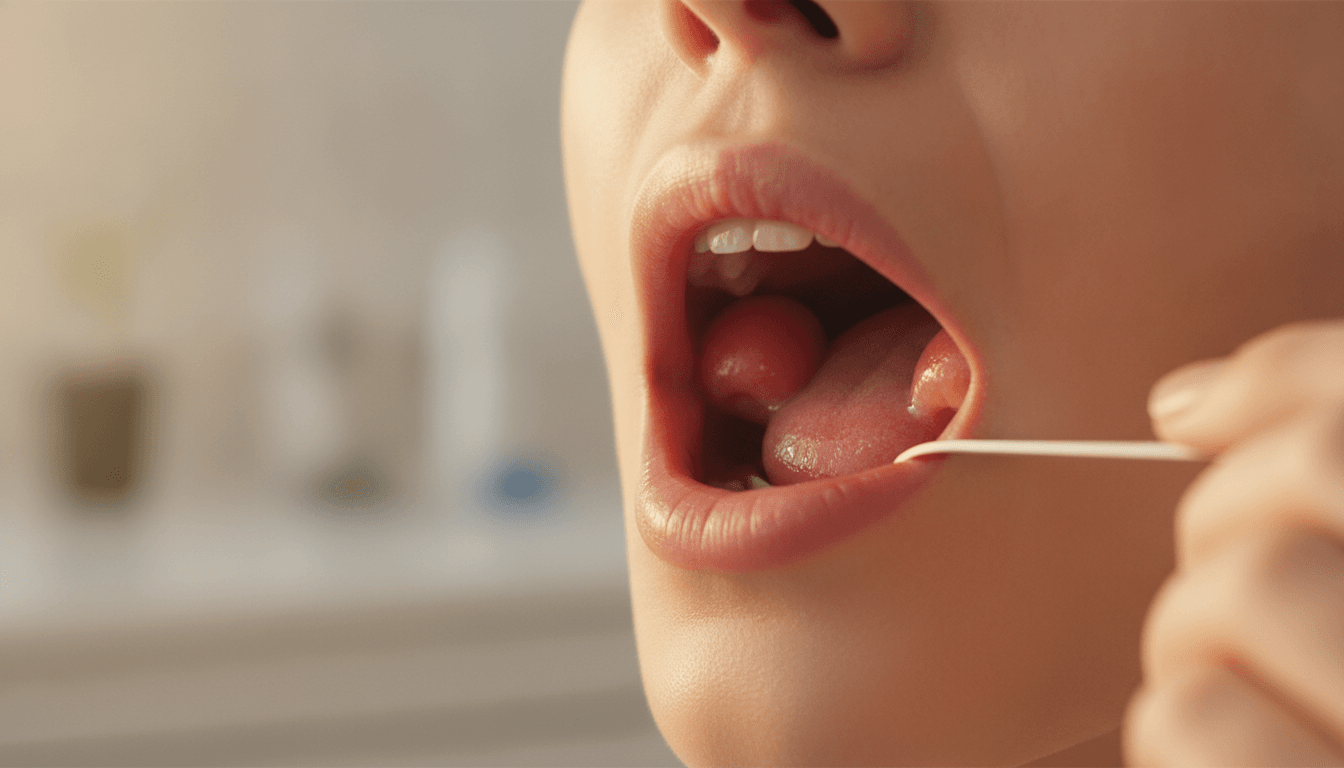
Tonsillitis symptoms often start with a sore throat, painful swallowing and swollen tonsils, but the cause behind them is not always the same. A cold virus, flu-like infection or bacterial throat infection may all irritate the tonsils, and each situation needs a different level of care.
If throat pain keeps returning, if a child has a fever with throat swelling or if white patches appear on the tonsils, a medical review helps you avoid guesswork. This guide explains what tonsillitis looks like, how viral and bacterial infections differ, when home care may be enough and when you need a doctor to check the throat.
What Is Tonsillitis?
Tonsillitis means inflammation of the tonsils, the two soft tissue pads at the back of the throat. Your tonsils help the immune system respond to germs entering through the mouth and nose, but viruses or bacteria can irritate them and make them red, enlarged and painful.
For many people, tonsillitis settles within a few days with rest, fluids and symptom care. The NHS notes tonsillitis symptoms often improve after three to four days, although they may last longer in some cases. That timing matters because a sore throat that worsens, keeps returning or affects breathing, swallowing or hydration needs medical advice rather than repeated home treatment.
Tonsillitis can affect children, teenagers and adults. Children may find it harder to explain throat pain, so changes such as refusing food, drooling, fever, irritability or disturbed sleep may give you clues. Once you understand the usual symptom pattern, it becomes easier to decide whether to watch, support recovery at home or book a consultation.
Common Tonsillitis Symptoms To Watch For
Tonsillitis symptoms can feel similar to a cold, flu or strep throat, so the full pattern matters more than one symptom on its own. Check the throat if there is pain with swallowing, and note whether fever, cough, neck swelling or white patches appear at the same time.
Common symptoms include:
● Sore throat
● Pain or difficulty while swallowing
● Red, swollen tonsils
● Fever or high temperature
● Headache
● Earache
● Bad breath
● Cough
● Tiredness
● Nausea or vomiting, especially in children
More severe tonsil infection symptoms may include swollen glands in the neck, pus-filled spots or white patches on the tonsils and a muffled or changed voice. These signs do not prove a bacterial infection by themselves, but they tell your doctor to examine the throat and decide whether testing or medicines are needed.
Swollen tonsils can also make eating and drinking uncomfortable. If a child or adult is unable to drink enough fluids, passes very little urine or seems unusually drowsy, dehydration becomes a concern and you need medical advice promptly.
Viral vs Bacterial Tonsillitis: What Is The Difference?
Once you recognise swollen tonsils, the next question is usually whether the infection is viral or bacterial. The difference matters because antibiotics do not treat viral infections, while some bacterial infections may need antibiotics after a doctor’s assessment.
Feature | Viral Tonsillitis | Bacterial Tonsillitis |
Common pattern | Sore throat with cough, cold symptoms or hoarseness | Sore throat with fever, swollen neck glands or no cough |
Usual cause | Cold, flu and other respiratory viruses | Bacteria such as group A strep |
Antibiotics | Usually not useful | May be advised if a doctor suspects or confirms bacterial infection |
What you can do | Rest, fluids and symptom care | Medical review, testing when needed and prescribed treatment |
The CDC notes group A strep bacteria cause strep throat, and symptoms often include sore throat, pain while swallowing, fever, red and swollen tonsils, white patches or streaks of pus and swollen lymph nodes in the neck. A cough, runny nose, hoarseness or mouth ulcers often point more toward a viral cause, which helps your doctor decide whether a throat swab or other test makes sense.
Do not start leftover antibiotics for a tonsil infection. Using antibiotics without medical advice may cause side effects, fail to treat the real cause and add to antibiotic resistance. A doctor can examine the throat, consider your age and symptoms and decide whether treatment beyond comfort care is needed.
Tonsillitis Causes And Risk Factors
Tonsillitis causes usually fall into two groups: viral infections and bacterial infections. Viruses cause many sore throats, while bacteria such as group A streptococcus can cause strep throat and tonsil inflammation that may need targeted treatment.
You may have a higher chance of tonsillitis if you spend time in close-contact settings, such as schools, day-care centres, hostels or crowded workplaces. Children and teenagers tend to get tonsillitis more often because they have frequent exposure to respiratory infections and still-developing immune responses.
Tonsillitis itself does not spread in the same way as a single germ, but the infections behind it can spread through coughs, sneezes, shared utensils and close contact. Washing hands, covering coughs, avoiding shared bottles and staying home during fever or active illness can reduce spread to family members and classmates.
Knowing the cause also protects you from over-treating every sore throat. If symptoms fit a mild viral infection and you can drink fluids, home care may be enough while you monitor progress. If fever, pus, neck swelling or repeated episodes appear, a doctor can check whether a bacterial infection or another throat problem needs treatment.
Acute, Chronic And Recurrent Tonsillitis
The duration and pattern of symptoms help doctors describe tonsillitis as acute, chronic or recurrent. These terms guide the next step because a single short infection does not need the same discussion as throat infections that keep returning.
Acute Tonsillitis
Acute tonsillitis means symptoms start suddenly and last for a short period. You may notice sore throat, fever, swollen tonsils and difficulty swallowing over one or two days.
Many acute cases improve with fluids, rest, warm salt-water gargles for older children and adults and medicines your doctor or pharmacist says are safe for fever or pain. If symptoms are severe, one-sided, linked with breathing difficulty or not improving, a consultation helps rule out complications.
Chronic Tonsillitis
Chronic tonsillitis means throat discomfort, bad breath, tonsil swelling or tender neck glands persist over a longer period. The symptoms may be less intense than an acute infection, but the repeated discomfort can affect eating, sleep and school or work attendance.
A doctor may check for ongoing infection, tonsil stones, acid reflux, allergy or another cause of throat irritation. That review matters because chronic throat symptoms do not always come from the tonsils alone.
Recurrent Tonsillitis
Recurrent tonsillitis means repeated episodes of tonsil infection over time. If sore throats keep returning with fever, swollen tonsils or missed school or work, a doctor can review the number of episodes, severity, test results and response to previous treatment.
In selected cases, an ENT specialist may discuss tonsil removal, called tonsillectomy. Surgery is not the first step for every person with recurrent tonsillitis, so the decision depends on medical history, frequency of episodes, complications and how much the infections affect daily life.
Swollen Tonsils Treatment: What May Help?
Swollen tonsils treatment depends on the cause, severity and effect on swallowing, breathing and hydration. The goal is to ease symptoms, treat bacterial infection when present and prevent complications when warning signs appear.
For mild symptoms, your doctor may advise supportive care such as fluids, rest and pain or fever medicine suitable for your age and medical history. Warm salt-water gargles may soothe throat discomfort in adults and older children who can gargle safely, while younger children need safer comfort measures because gargling can lead to choking.
If a doctor suspects bacterial tonsillitis or strep throat, testing or antibiotics may be advised. Finish the prescribed course exactly as your doctor directs, even if symptoms improve earlier, because stopping early may allow bacteria to persist.
If tonsillitis keeps returning or causes complications, your doctor may refer you for an ENT assessment. That does not mean surgery is certain. It means a specialist can review your episode history, examine the tonsils and explain whether continued medical care or another option fits your case.
When Should You See A Doctor?
A sore throat often improves with home care, but some signs need medical review. Use the pattern, duration and severity of symptoms to decide when to book an appointment.
Seek medical advice if you or your child has:
● Throat pain lasting more than a few days
● Fever with swollen or painful tonsils
● White patches or pus on the tonsils
● Difficulty swallowing fluids
● Repeated tonsil infections
● A rash with sore throat
● Enlarged neck glands
● Symptoms after contact with someone who has strep throat
Seek urgent care if breathing becomes difficult, drooling appears because swallowing is hard, the mouth cannot open properly, severe one-sided throat pain develops or the person seems very drowsy or dehydrated. These signs may point to a complication or another condition that needs quick assessment.
If you are unsure, choose medical advice over repeated self-treatment. A throat examination takes little time and helps you decide whether simple care, testing, antibiotics or specialist review is the safer next step.
What To Expect During A Consultation
A consultation for suspected tonsillitis starts with your symptoms, duration, fever history, exposure to infections and any previous episodes. Your doctor will usually examine the throat, tonsils, ears, nose and neck glands to see whether the pattern fits viral tonsillitis, bacterial tonsillitis or another cause of throat pain.
You may be asked about swallowing, hydration, breathing, medicines, allergies and previous antibiotic use. These details help your doctor choose treatment safely, especially for children, older adults, pregnant women or anyone with long-term health conditions.
A throat swab may be advised if strep throat is suspected. Your doctor may also check for complications if pain is severe on one side, if the voice has changed or if opening the mouth is difficult. Once the cause looks clearer, you get a treatment plan that fits your symptoms rather than a guess based only on throat redness.
Know The Signs And Get Medical Advice Early
Tonsillitis symptoms can be mild and short-lived, but they deserve attention when fever, swollen tonsils, pus, dehydration, breathing difficulty or repeated episodes appear. Recognising the pattern helps you choose the right next step and avoid antibiotics when they are not needed.
At Healing Hospital, Chandigarh, you can speak to our care team if throat symptoms need medical review or if you are arranging care for a child or family member. Book an appointment with a doctor at Healing Hospital, Chandigarh, for evaluation and guidance on the right specialist for your concern.
Persistent Sore Throat or Recurrent Tonsillitis? Get Expert Care.
If you or your child has ongoing throat pain, swollen tonsils, difficulty swallowing, frequent tonsil infections, or fever that isn't improving, don't ignore the symptoms. Early evaluation can help identify the cause and ensure you receive the right treatment.
Our experienced ENT specialists at Healing Hospital provide comprehensive diagnosis and personalised treatment for tonsillitis and other throat conditions.
Book your consultation today.
📞 Call: +91-9464343434, 01725088883
📧 Email: info@healinghospital.co.in
Frequently Asked Questions
1. What Are The First Symptoms Of Tonsillitis?
The first symptoms of tonsillitis often include sore throat, painful swallowing and red or swollen tonsils. Fever, headache, earache, tiredness, bad breath or white patches may appear depending on the cause.
2. How Do I Know If A Tonsil Infection Is Viral Or Bacterial?
A viral infection often comes with cough, runny nose, hoarseness or cold symptoms, while bacterial tonsillitis may cause fever, swollen neck glands, pus on the tonsils and no cough. A doctor may advise a throat swab when strep throat is suspected.
3. Can Swollen Tonsils Go Away Without Antibiotics?
Yes, swollen tonsils can improve without antibiotics when a virus causes the infection. Antibiotics may be needed for some bacterial infections, so a doctor’s assessment helps you avoid unnecessary medicine.
4. What Is The Difference Between Acute Tonsillitis And Chronic Tonsillitis?
Acute tonsillitis starts suddenly and usually lasts for a short period. Chronic tonsillitis causes ongoing or repeated throat discomfort, tonsil swelling, bad breath or tender neck glands over a longer time.
5. When Is Recurrent Tonsillitis A Concern?
Recurrent tonsillitis becomes a concern when repeated episodes cause fever, missed school or work, frequent antibiotics or severe swallowing pain. A doctor or ENT specialist can review episode frequency and decide whether further treatment is needed.
6. Is Tonsillitis Contagious?
Tonsillitis itself describes inflamed tonsils, but the viruses or bacteria behind it can spread through coughs, sneezes and close contact. Handwashing, covering coughs and avoiding shared cups or utensils can lower the chance of spread.