
 24X7
24X7
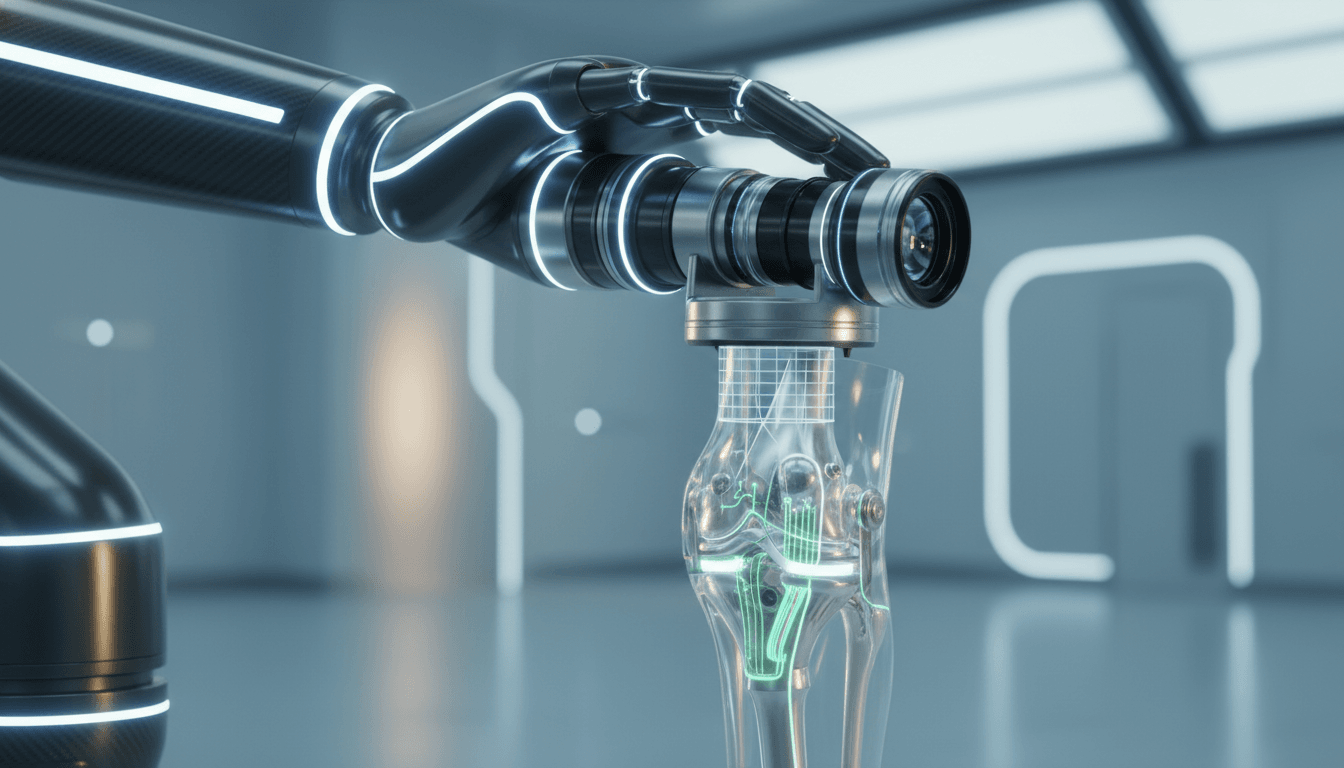
Robotic FT-3D Knee Resurfacing is an advanced robotic-assisted knee procedure that uses 3D planning to precisely resurface damaged knee areas, helping improve joint function, reduce pain, and support faster recovery with greater surgical accuracy.
If you are exploring robotic knee replacement surgery in Chandigarh, the cost usually depends on factors such as the type of implant, technology used, your overall health, hospital stay, and any additional tests or treatments that you may need. Understanding these elements can help you plan better and feel more confident about your decision.
Key Takeaways
What it is: Robotic FT-3D Knee Resurfacing uses a robotic-assisted system and 3D imaging to help the surgeon precisely remove damaged bone and cartilage and place the implant more accurately.
Who may need it: It is often recommended for people with advanced knee osteoarthritis or severe knee damage who have ongoing pain and difficulty walking despite medicines, physiotherapy, and lifestyle changes.
Cost factors: The overall robotic knee replacement surgery cost is influenced by the robotic system used, implant type, hospital room category, duration of stay, tests, and any other medical conditions you may have.
Benefits: Robotic assistance may help with more accurate implant positioning, better alignment, and potentially smoother recovery, though results vary from person to person.
Next step: A detailed consultation with an orthopaedic and joint replacement specialist is essential to understand whether robotic FT-3D Knee Resurfacing is right for you and to get an estimate tailored to your case.
What Is Robolens FT-3D / Robotic FT-3D Knee Resurfacing?
Robolens FT-3D Knee Resurfacing, or robotic FT-3D knee resurfacing, is a type of knee replacement surgery in which a robotic-assisted system and 3D imaging are used to plan and execute the procedure with high precision. Instead of completely removing the knee joint, the surgeon carefully resurfaces the damaged areas and fits an artificial implant designed to match your unique knee anatomy.
In simple terms, “resurfacing” means shaving off the worn-out portions of the bone and cartilage and covering them with smooth, artificial surfaces. The robotic system does not operate on its own; it guides the surgeon’s hand, helping them follow the pre-planned 3D map of your knee and make very accurate cuts and adjustments.
Who Is a Good Candidate for Robotic FT-3D Knee Resurfacing?
You may be a candidate for robotic FT-3D knee resurfacing if you have severe knee pain, stiffness, or deformity due to conditions such as osteoarthritis and your symptoms have not improved with non-surgical treatments. A joint replacement specialist will evaluate your knee, overall health, and lifestyle to decide whether this approach may help you.
Common situations where doctors may suggest robotic knee replacement surgery include:
Ongoing knee pain that affects walking, climbing stairs, or daily activities despite medicines, injections, and physiotherapy.
Advanced osteoarthritis with worn-out cartilage and “bone-on-bone” contact in the knee.
Knee deformity such as bow legs or knock knees that is getting worse.
Sleep disturbed by knee pain or difficulty standing up from a chair or toilet.
Your age, weight, bone quality, other medical conditions (like diabetes or heart disease), and activity level also influence whether you are suitable for surgery and which type of implant may be used.
How Does Robotic FT-3D Knee Resurfacing Work Step by Step?
Robotic FT-3D knee resurfacing follows a structured process that starts well before the day of surgery. The goal is to create a personalised 3D plan and then use robotic assistance to carry it out as accurately as possible.
Pre-operative assessment: Your doctor reviews your medical history, examines your knee, and may order X-rays, CT scans, or MRI to understand the exact pattern of damage.
3D planning: Special software creates a 3D model of your knee. The surgeon uses this to plan where to remove bone, how to align the implant, and how to balance the ligaments.
In the operating room: During surgery, trackers or sensors are attached to your leg so the robotic system can “know” the exact position of your knee in real time.
Robotic-guided bone preparation: The surgeon uses the robotic arm or robotic tools to remove only the damaged bone and cartilage according to the pre-planned 3D map. The system provides feedback to help stay within safe limits.
Implant placement: The artificial components (implants) are then inserted and aligned as planned, aiming for correct knee balance and movement.
Closure and recovery: The wound is closed, and you are shifted to recovery, where your pain is managed and early physiotherapy is started.
What Are the Possible Benefits of Robotic-Assisted Knee Resurfacing?
Robotic-assisted knee resurfacing may offer certain advantages compared with traditional techniques, mainly related to planning and precision. However, outcomes vary, and the surgeon’s expertise and your overall health also play a major role in your recovery.
Personalised planning: 3D imaging allows the surgeon to plan surgery according to your individual knee shape and alignment.
High precision: Robotic guidance may help with more accurate bone cuts and implant positioning, which can support better joint alignment.
Soft-tissue protection: By staying within planned boundaries, the system may help in preserving surrounding ligaments and soft tissues.
Potentially smoother function: Correct alignment and balance may help the knee feel more natural during bending and walking over time.
Source: According to published research summaries on robotic knee arthroplasty available through databases such as PubMed, robotic assistance is associated with improved implant positioning and alignment when compared with some conventional techniques, though long-term functional outcomes can depend on many individual factors.
What Factors Influence Robotic Knee Replacement Surgery Cost?
The cost of robotic knee replacement surgery is not the same for every person. It is shaped by the technology used, the type of implant, your medical condition, and the services you need before and after surgery. Your orthopaedic team can provide a personalised estimate after evaluating you.
Type of robotic system and technology: Advanced robotic platforms and 3D planning software involve high equipment and maintenance costs, which can be reflected in the surgery package.
Implant design and materials: Different brands and models of knee implants are available, including options designed for higher activity levels or specific bone structures. These choices affect the overall cost.
Single knee vs. both knees: Replacing one knee will usually cost less than replacing both knees in the same hospital stay.
Pre-surgery tests and consultations: Blood tests, heart check-ups, imaging, and specialist consultations (for example, with a cardiologist or anaesthesiologist) are part of the total expense.
Hospital stay and room type: The number of days you stay in the hospital and the kind of room you choose (shared, private, deluxe) have a direct impact on cost.
Other medical conditions: If you have conditions like diabetes, high blood pressure, heart disease, or kidney problems, you may require additional monitoring, medicines, or procedures.
Post-operative care: Physiotherapy sessions, follow-up visits, wound care, and any supportive devices (like walkers or braces) are also part of the total financial planning.
How Can You Plan Financially for Robotic Knee Replacement Surgery?
Planning ahead can reduce stress around the cost of robotic knee replacement surgery. It is important to openly discuss package details, possible extra charges, and insurance coverage with the hospital team before you decide.
Check your health insurance: Speak to your insurer to understand what part of the surgery, room rent, implants, and physiotherapy are covered, and whether robotic-assisted procedures are included.
Ask for a detailed estimate: Request a written estimate that lists the major components of cost such as surgery, implants, anaesthesia, room charges, investigations, and expected length of stay.
Discuss payment options: Ask about payment modes, any available tie-ups with finance providers, and timelines for payments before and after surgery.
Plan for recovery expenses: Include the cost of medicines, follow-up visits, and physiotherapy sessions after discharge in your budget.
What Is the Recovery Process After Robotic FT-3D Knee Resurfacing?
Recovery after robotic FT-3D knee resurfacing is a gradual process that usually starts within hours of surgery. Many patients begin gentle movements and stand with support early, but the exact timeline depends on your health, pain control, and physiotherapy progress.
In general, your recovery journey may include:
Immediately after surgery: You will be monitored in the recovery area. Pain medicines and sometimes nerve blocks are used to keep you comfortable.
First 1–3 days: Physiotherapists help you start moving the knee, sitting up, and walking with support (walker or crutches), depending on your condition.
First few weeks at home: Regular exercises to improve knee bending, strength, and balance are key. You gradually increase your walking distance and daily activities.
Longer-term recovery: Most people slowly return to routine household activities over several weeks. Full recovery and adjustment to the new joint may take a few months.
Always follow your surgeon’s and physiotherapist’s instructions on weight-bearing, exercises, wound care, and follow-up visits. Do not compare your recovery speed with others; healing is different for every person.
What Risks and Complications Should You Be Aware Of?
All surgeries, including robotic-assisted knee resurfacing, carry some risks. Knowing them helps you watch for warning signs and seek timely medical help. Your surgeon will explain these risks in detail and take steps to reduce them.
Infection: Infection around the incision or deep in the joint is a known risk, though precautions such as antibiotics and sterile techniques are used to lower this chance.
Blood clots: Deep vein thrombosis (blood clots in the leg veins) can occur after major leg surgery, so doctors may prescribe blood thinners and exercises.
Stiffness or limited movement: Some people may experience stiffness, which is why early and regular physiotherapy is important.
Implant-related issues: Over many years, implants can loosen, wear out, or cause discomfort, which may need further evaluation.
Anaesthesia-related risks: These depend on your age, heart and lung function, and other health conditions.
If you notice symptoms like high fever, severe pain, unusual swelling, redness spreading around the wound, sudden breathlessness, or chest pain after surgery, contact your doctor or seek emergency care immediately.
How Do You Decide If Robotic Knee Replacement Is Right for You?
Deciding on robotic knee replacement is a major step and should be made after a thorough discussion with an experienced orthopaedic surgeon. The decision is based on your symptoms, X-ray findings, overall health, and personal expectations from surgery.
Explain your pain pattern, activity level, and what you hope to achieve after surgery.
Ask your doctor to compare robotic-assisted surgery with conventional knee replacement in your specific case.
Discuss the likely benefits, possible risks, estimated costs, and expected recovery timeline.
Involve your family so that they understand the care and support you may need after surgery.
Seeking Care at Healing Hospital
Living with constant knee pain can be exhausting—for you and for your family. It is common to feel anxious about surgery, worried about the cost, and unsure about how life will be after the procedure.
At Healing Hospital’s Orthopaedics & Joint Replacement department, our focus is on understanding your individual needs, explaining your options in simple language, and using evidence-based approaches to plan your care. Where appropriate, our team may recommend advanced techniques such as robotic FT-3D knee resurfacing, combined with structured physiotherapy and careful follow-up, to support your mobility and comfort.
If knee pain is limiting your daily life and you are considering robotic knee replacement surgery in or around Chandigarh, you can schedule a consultation with our joint replacement specialists. They will assess your condition, answer your questions about the procedure and costs, and help you decide on a personalised treatment plan that is safest and most suitable for you.
Frequently Asked Questions
1. What factors influence the Robotic Knee Replacement surgery cost in Chandigarh?
The cost of Robotic Knee Replacement surgery in Chandigarh is influenced by several factors including the chosen hospital, the surgeon's expertise, pre-surgery diagnostics, and post-operative care. Additionally, the technology used, such as Robolens FT-3D Knee Resurfacing, can also impact the overall cost.
2. How does Robolens FT-3D Knee Resurfacing work in knee replacement surgery?
Robolens FT-3D Knee Resurfacing is an advanced robotic-assisted technique that enhances the precision of knee replacement surgery. It uses 3D visualization and computer-assisted tools to accurately shape the knee, leading to better alignment and improved functionality post-surgery.
3. Are there benefits to choosing Robotic FT-3D Knee Resurfacing over traditional methods?
Yes, Robotic FT-3D Knee Resurfacing offers several advantages over traditional methods including increased accuracy in implant placement, reduced trauma to surrounding tissues, faster recovery times, and improved long-term outcomes for patients.
4. What should I expect from a Robotic Knee Replacement surgery in Chandigarh?
Patients undergoing Robotic Knee Replacement surgery in Chandigarh can expect a detailed pre-surgical plan, state-of-the-art robotic assistance for precision, and comprehensive post-operative care. The use of technology like Robotic FT-3D Knee Resurfacing often results in quicker recovery and enhanced mobility.
5. How does the availability of Robotic FT-3D Knee Resurfacing technology affect surgery success rates?
The utilization of Robotic FT-3D Knee Resurfacing technology in surgeries has been shown to enhance the success rates by providing superior accuracy and customization, which leads to better alignment and longevity of the knee implant.
6. Is the cost of Robotic Knee Replacement in Chandigarh covered by insurance?
Coverage for Robotic Knee Replacement surgery cost in Chandigarh varies depending on the insurance provider and the specific terms of the policy. It's advisable to check with the insurance company and the hospital for detailed coverage information.