
 24X7
24X7
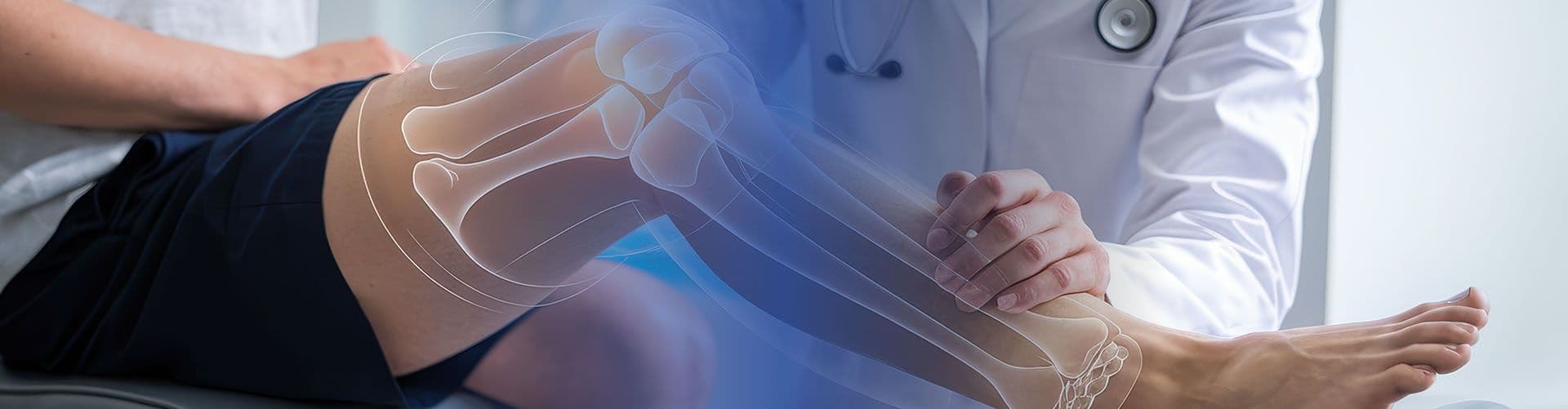
Robotic FT-3D Knee Resurfacing & Replacement in Chandigarh
Our orthopaedic team offers RoboLens FT-3D Knee Resurfacing and robotic knee replacement surgery for patients with severe arthritis, chronic knee pain, and advanced joint damage across Chandigarh, Mohali, Panchkula, and the Tricity region. From detailed clinical evaluation and treatment planning to robotic partial or total knee replacement, each step is focused on improving mobility, reducing pain, and supporting long-term joint function.
Consultations help you understand your knee condition, suitability for robotic FT-3D procedures, recovery timelines, and the factors that influence robotic knee replacement surgery cost. Structured rehabilitation and physiotherapy are integrated into the plan to encourage safe movement and progressive recovery.
Whether you are exploring robotic options or planning Robotic FT-3D Knee Resurfacing in Chandigarh, the focus remains on safe, transparent, and patient-centred orthopaedic care close to home.
Why Consider Robotic Knee Replacement Surgery in Chandigarh?

Planned, Monitored Robotic Surgical Care Robotic knee replacement surgery is performed in a controlled, closely monitored setting. Pre-surgery evaluation, anaesthesia support, RoboLens FT-3D planning, and post-operative observation are coordinated so potential concerns can be identified and addressed promptly.

Comprehensive Robotic Knee & Joint Services From clinical assessment and imaging to RoboLens FT-3D Knee Resurfacing, robotic total knee replacement, and structured physiotherapy, key services are available in one place. This supports smoother planning, recovery, and follow-up for your knee.

Patient-Focused Robotic Knee Discussions Knee pain can limit walking, sleep, and daily independence. The orthopaedic team explains X-rays, reports, and robotic FT-3D plans in clear language, discusses realistic benefits and limitations of Robotic FT-3D Knee Resurfacing, and encourages questions so you can make informed choices.
Robotic Knee Replacement Surgery & Total Knee Replacement Cost
Clinical Assessment & Treatment Planning
Robotic knee replacement surgery begins with a detailed assessment of symptoms, walking ability, medical history, and imaging such as X-rays. When required, additional scans help assess joint damage, alignment, and overall knee health. This information supports planning for RoboLens FT-3D Knee Resurfacing or robotic total knee replacement and helps outline factors that may influence robotic knee replacement surgery cost.
Types of Robotic Knee Procedures
Based on the extent of joint wear, you may be considered for Robotic FT-3D Knee Resurfacing (partial) or robotic total knee replacement. The recommended option depends on pain severity, joint condition, activity level, and long-term mobility goals. Patients from Chandigarh, Mohali, Panchkula, and nearby areas often seek guidance to understand which robotic procedure may be appropriate for them.
Understanding Robotic Knee Replacement Surgery Cost
Robotic knee replacement surgery cost can vary with implant selection, use of RoboLens FT-3D technology, hospital stay, physiotherapy needs, and overall treatment complexity. During consultation, you receive a clear explanation of expected inclusions and considerations related to total knee replacement cost.
The Robotic Surgical Procedure
During surgery, damaged cartilage and worn joint surfaces are removed and replaced with carefully planned implants. Robotic guidance supports accurate execution of the pre-planned cuts and implant positioning, with the aim of smoother movement and improved joint function.
Recovery, Pain Management & Rehabilitation
Recovery starts soon after surgery with supervised movement, pain management, and physiotherapy. Rehabilitation focuses on knee flexibility, muscle strength, balance, and walking pattern. Early mobilisation and a structured plan are important for safer, sustained outcomes.
Preparing for Robotic Surgery
Preparation typically includes medical evaluation, blood tests, imaging for robotic planning, medication review, and discussions on hospital stay, rehabilitation schedule, and the financial aspects of treatment. Understanding these details in advance can support more confident decision-making.
Risks & Recovery Considerations
Like other major procedures, robotic knee replacement carries potential risks such as infection, clots, stiffness, delayed wound healing, or ongoing discomfort. Regular monitoring, physiotherapy, and adherence to medical advice are important for a safer recovery and improved joint function.
Supporting Long-Term Mobility
The aim of Robotic FT-3D Knee Resurfacing and robotic knee replacement surgery is to relieve persistent knee pain, improve movement, and support daily activities. With appropriate rehabilitation and follow-up, many people notice meaningful improvements in mobility and independence.
Knee and Joint Conditions Managed for Robotic Surgery
The orthopaedic team evaluates knee and lower‑limb problems in adults and older patients to plan RoboLens FT-3D Knee Resurfacing or robotic replacement when appropriate.
Advanced Knee Osteoarthritis
Progressive cartilage wear can lead to knee pain, stiffness, and reduced walking distance. Assessment may include X‑rays and MRI. Management ranges from activity modification and medicines to Robotic FT-3D Knee Resurfacing or robotic knee replacement when joint damage is severe.
Inflammatory and Secondary Arthritis
Long‑standing inflammatory or metabolic conditions can damage knee cartilage and bone. Care includes detailed evaluation, pain control, joint‑protection advice, and consideration of Robotic FT-3D Knee Resurfacing or robotic knee replacement when conservative options are no longer effective.
Post‑Traumatic Knee Damage
Previous fractures or ligament injuries can alter joint alignment and load, causing pain and swelling. Imaging helps assess joint surfaces and stability. Treatment may involve physiotherapy, corrective procedures, or Robotic FT-3D Knee Resurfacing / robotic knee replacement in advanced degeneration.
Knee Deformities
Varus or valgus (bow‑legged or knock‑knee) alignment can increase wear on specific joint areas. Evaluation includes clinical assessment and standing X‑rays. Management focuses on pain relief, bracing where suitable, and realignment or Robotic FT-3D Knee Resurfacing / robotic replacement when indicated.
Ligament and Meniscal Problems
Injury to ligaments or menisci may cause instability, locking, or recurrent swelling. Diagnosis is guided by examination and MRI. Treatment options include physiotherapy, arthroscopic procedures, and, in advanced damage with arthritis, consideration of Robotic FT-3D Knee Resurfacing or robotic knee replacement.
Patellofemoral Pain and Instability
Pain around the kneecap can be related to cartilage wear or misalignment. Assessment considers activity level, alignment, and imaging. Management ranges from strengthening exercises and taping to targeted procedures, with Robotic FT-3D Knee Resurfacing or robotic replacement reserved for severe patellofemoral arthritis.
Bone Quality and Osteoporosis Around the Knee
Reduced bone density can affect joint support and recovery after injury or surgery. Care includes bone‑health assessment, fall‑prevention advice, and medicines where needed, especially for patients considering Robotic FT-3D Knee Resurfacing or robotic knee replacement.
Complex and Revision Knee Cases
Some patients present with previous implants, deformities, or multiple surgeries. Follow‑up focuses on monitoring function, planning revision robotic knee replacement when required, and guiding activity and recovery expectations.
Hip and Lower‑Limb Alignment Issues
Problems in the hip or limb alignment can overload the knee and contribute to pain. Management includes gait assessment, targeted physiotherapy, and staged procedures, with Robotic FT-3D Knee Resurfacing or robotic knee replacement considered when knee joint damage is advanced.
Pre‑Operative Assessment Before Robotic Knee Surgery
Before Robotic FT-3D Knee Resurfacing or robotic knee replacement, structured medical and anaesthesia evaluation helps assess risk and optimise medicines. This supports safer anaesthesia planning and smoother post‑operative recovery.
Unexplained Knee Pain and Episodes of Giving Way
Intermittent pain or sudden giving way may arise from cartilage, ligament, or alignment issues. Work‑up can include X‑rays, MRI, and gait analysis to clarify the cause and decide between rehabilitation, minor procedures, or eventual Robotic FT-3D Knee Resurfacing / robotic knee replacement.
Joint Health Screening and Risk Assessment
For individuals with family history of arthritis, prior injuries, or high‑impact activity, structured knee check‑ups can detect early joint changes. Screening may include clinical evaluation and imaging, followed by practical guidance and discussion of when Robotic FT-3D Knee Resurfacing or robotic knee replacement might be considered.
Dr. Ajay Bhambri
Director
Orthopaedics & Joint Replacement 30+ Years

Dr. Ajay A Singh Bhambri is Director of Orthopaedics & Joint Replacement – Unit I at Healing Hospital, Chandigarh, with over 30 years of clinical and surgical experience in complex orthopaedic procedures. His work includes joint replacement, limb reconstruction, orthopaedic oncosurgery, and trauma care.
Doctors Available
Dr. Ajay Bhambri
Director
Orthopaedics & Joint Replacement

Dr. Nishant Setia
Senior Consultant
Senior Consultant
Robotic Knee Replacement Surgery Technologies
Planning and guidance tools that support RoboLens FT-3D Knee Resurfacing, Robotic FT-3D Knee Resurfacing, and related knee procedures.

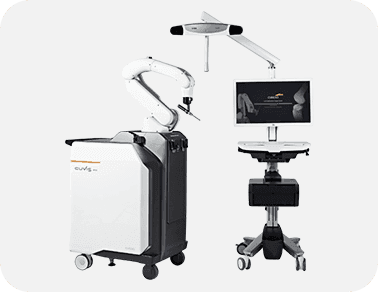
CUVIS Robotic FT-3D Joint Resurfacing
Robotic guidance system used in FT‑3D knee resurfacing and Robotic Knee Replacement Surgery planning to support consistent implant positioning.

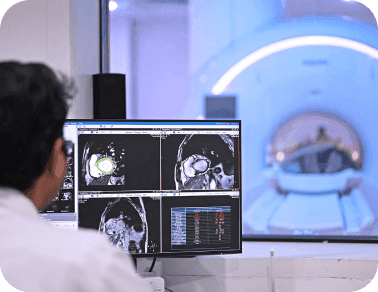
Cath Lab – GE Healthcare
Cardiac catheterisation laboratory with imaging support for angiography, angioplasty, and related cardiovascular procedures.

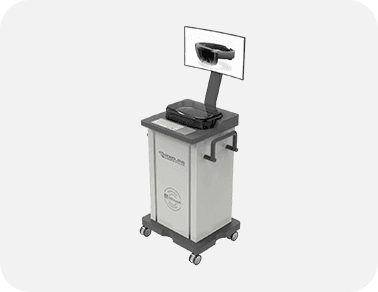
RoboLens FT-3D – Pioneer & Founding Center
System for guided knee resurfacing using three‑dimensional planning and intra‑operative assistance during Robotic FT-3D Knee Resurfacing or replacement.
Other Specialities

Diabetes & Endocrinology


Urology
Nephrology Support for Robotic Knee Replacement

Anaesthesia Care in Robotic FT-3D Knee Surgery

Pre-Surgery ENT Evaluation for Robotic Knee Replacement
Eye Checks Before and After Robotic Knee Replacement

Skin Assessment Around Robotic Knee Replacement Surgery
Managing Stress & Anxiety Before Robotic Knee Surgery
Patient Stories on Robotic Knee Replacement Surgery
Read real experiences of people who chose robotic knee replacement surgery for pain relief, better mobility, and structured, guided recovery.
Frequently Asked Questions (Robotic Knee Replacement Surgery FAQs)
What is RoboLens FT-3D Knee Resurfacing?+−
RoboLens FT-3D Knee Resurfacing is an advanced knee treatment approach that uses AI-assisted planning and precision technology to address damaged knee surfaces while preserving healthy structures whenever possible.
How is Robotic FT-3D Knee Resurfacing different from traditional knee replacement surgery?+−
Robotic FT-3D Knee Resurfacing focuses on precise treatment planning and targeted intervention, while traditional knee replacement may involve replacing larger portions of the knee joint depending on the extent of damage.
Does Healing Hospital Chandigarh offer advanced robotic knee procedures?+−
Healing Hospital Chandigarh offers advanced orthopaedic and joint replacement services, including technology-driven approaches designed to support precision treatment and improved patient outcomes.
How long does recovery take after robotic knee replacement surgery? +−
Recovery varies by patient, but many individuals begin mobilization shortly after surgery and continue improving through physiotherapy and rehabilitation over the following weeks and months.
What should I ask during a consultation for RoboLens FT-3D Knee Resurfacing at Healing Hospital? +−
Patients should discuss treatment suitability, expected benefits, recovery timelines, rehabilitation plans, implant options, and factors affecting robotic knee replacement surgery cost.
Can robotic knee replacement surgery help improve mobility and quality of life? +−
Many patients experience reduced pain, improved joint function, better mobility, and enhanced quality of life after successful robotic-assisted knee procedures.
Why is early evaluation important for knee arthritis and joint damage?+−
Early assessment may help identify suitable treatment options before joint damage progresses, allowing patients to make informed decisions about knee resurfacing or replacement procedures.