
 24X7
24X7

sleep apnea surgery in chandigarh for Structured, Evidence-Based Care
Our unit for sleep apnea surgery in Chandigarh offers evaluation and surgical options for obstructive sleep apnea that do not respond adequately to lifestyle measures or non-surgical treatment.
Assessment may include sleep history, clinical examination, and sleep study reports, followed by a clear discussion of suitable procedures, expected recovery, and realistic outcomes.
Surgery is considered only when clinically indicated, with attention to airway safety, breathing during sleep, and impact on day-to-day functioning.
If you are exploring structured evaluation for sleep apnea in the tricity, our team aims to provide transparent, protocol-based guidance close to home.
Why Consider Sleep Apnea Surgery in Chandigarh?

Support for Night-Time Breathing Emergencies Sudden worsening of snoring, observed pauses in breathing, choking at night, or severe daytime sleepiness may require urgent assessment. Stabilisation focuses on airway safety, oxygenation, and identifying reversible causes.

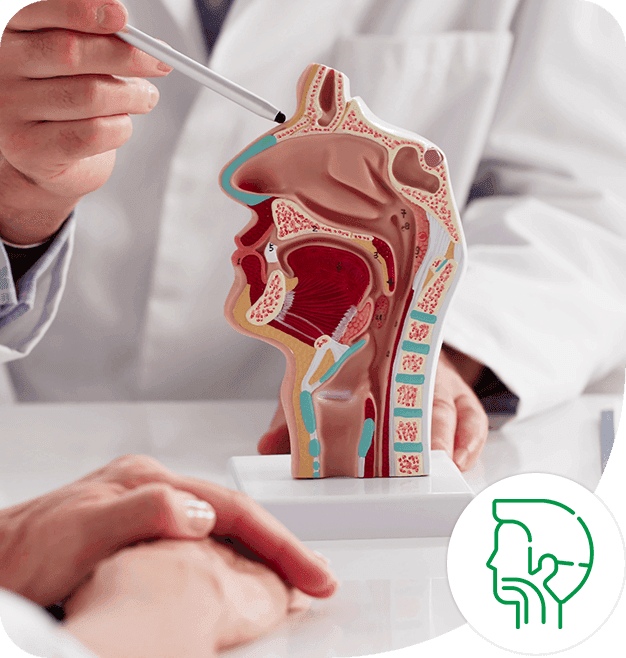
Comprehensive Sleep Apnea Evaluation Clinical assessment, review of sleep studies, and airway examination help understand the site and severity of obstruction. This guides whether surgery, device-based therapy, or a combination approach is appropriate for you.

Patient-Centred Treatment Planning Sleep apnea can affect energy, mood, work, and relationships. The team explains reports in simple terms, discusses surgical and non-surgical choices, and answers questions so you can participate in every treatment decision.
Key Tests & Procedures in Sleep Apnea Surgery
Non-Invasive Sleep Apnea Evaluation
Clinical assessment, sleep history, and review of sleep studies (such as polysomnography) help evaluate symptoms like loud snoring, witnessed apneas, choking at night, morning headaches, or daytime fatigue.
Airway & Nasal Endoscopy
Endoscopic examination of the nose, throat, and upper airway may be advised to understand structural narrowing, enlarged tissues, or deviation that could contribute to obstructive sleep apnea.
Upper Airway Surgery
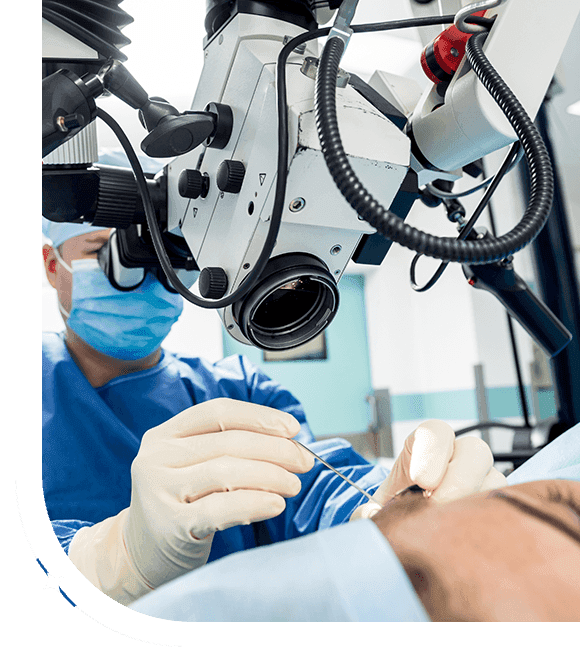
For selected patients, procedures such as removal or reshaping of obstructing tissues in the throat or nose may be considered to improve airflow during sleep.
Jaw or Tongue-Related Procedures
In specific situations, surgery may target jaw position or tongue-related obstruction, depending on anatomical findings and overall health status.
Post-Surgical Follow-Up & Sleep Monitoring
After surgery, follow-up visits and, when needed, repeat sleep studies help monitor breathing during sleep, symptom improvement, and plan any further support.
Lifestyle & Risk Factor Guidance
Weight management, sleeping position, alcohol and smoking habits, and co-existing conditions like nasal allergy or reflux are reviewed. Individualised guidance aims to support long-term airway health.
Possible Risks and Complications of Sleep Apnea & Its Treatment
Persistent Symptoms
Even after treatment, some people may continue to experience snoring or disrupted sleep. Ongoing evaluation helps refine the management plan.
Throat Discomfort and Swallowing Difficulty
Certain surgeries can temporarily cause pain, swallowing difficulty, or voice changes. These are usually monitored closely and managed with supportive care.
Impact on Daily Functioning
Untreated sleep apnea may contribute to daytime sleepiness, reduced concentration, and driving or work-related safety concerns. Timely assessment and appropriate management aim to support safer, more restorative sleep.
Sleep Apnea and Related Airway Conditions Managed in Chandigarh
Evaluation and management of obstructive sleep apnea and associated upper airway concerns for adults in Chandigarh.
Obstructive Sleep Apnea (OSA)
Repeated airway blockage during sleep can cause loud snoring, gasping, and unrefreshing sleep. Assessment may include sleep study, airway examination, and imaging. Management ranges from lifestyle measures and CPAP to sleep apnea surgery where suitable.
Snoring with Suspected Airway Obstruction
Loud, persistent snoring with pauses in breathing may indicate significant upper airway narrowing. Care includes clinical assessment, sleep study when required, counselling on risk factors, and discussion of non-surgical and surgical options.
Sleep Apnea with Cardiometabolic Risk
Sleep apnea can coexist with high blood pressure, heart disease, or diabetes. Evaluation focuses on symptom review, sleep testing, and coordination with physicians to align sleep apnea treatment with overall health goals.
Nasal Obstruction Contributing to Sleep Apnea
Deviated septum, nasal polyps, or chronic congestion may worsen snoring and sleep apnea symptoms. Evaluation includes nasal endoscopy where indicated. Management may involve medicines or procedures to improve nasal airflow.
Tonsil and Soft Palate Issues
Enlarged tonsils or a long soft palate can narrow the throat during sleep. Examination focuses on upper airway structure. Treatment options may include lifestyle changes, CPAP, or selected surgical procedures after detailed counselling.
Daytime Sleepiness and Fatigue
Excessive daytime sleepiness, poor concentration, or morning headaches may be linked to disturbed sleep from apnea. Work-up can include questionnaires, sleep study, and review of existing medical conditions before planning therapy.
Sleep Apnea in Overweight or Obese Individuals
Weight-related airway narrowing can increase the risk of obstructive sleep apnea. Management focuses on lifestyle guidance, sleep testing, CPAP where appropriate, and discussion of surgery only after careful evaluation.
Craniofacial or Jaw-Related Airway Narrowing
Certain jaw or facial structures may contribute to a smaller airway. Assessment may include imaging and dental or orthodontic opinion. Planning focuses on non-surgical measures first, with referral for advanced procedures when indicated.
Positional Sleep Apnea
Breathing pauses that worsen when sleeping on the back can reflect positional sleep apnea. Management may include positional therapy devices, sleep hygiene advice, and review of whether additional interventions are needed.
Pre-Surgical Evaluation for Sleep Apnea Surgery
Before sleep apnea surgery in Chandigarh, structured assessment helps clarify symptom severity, review sleep study findings, and discuss realistic goals and potential risks of different procedures.
Unrefreshing Sleep with Suspected Apnea
Frequent awakenings, choking sensations, or bed-partner reports of pauses in breathing may suggest sleep apnea. Evaluation can include detailed history, examination, and sleep study to guide next steps.
Screening in High-Risk Individuals
People with loud snoring, obesity, or existing heart and metabolic conditions may benefit from screening for sleep apnea. This can involve questionnaires, overnight monitoring, and practical advice on reducing risk.
Dr. Lovkesh Mittal
Consultant
Senior Consultant - ENT, Head & Neck Surgery Experience: 10+ Years

Dr. Lovkesh Mittal is an accomplished ENT, Head & Neck surgeon with over 10 years of specialized experience with an MS in ENT from Government Medical College & Hospital, Chandigarh (GMCH-32). He has established himself as Chandigarh’s leading sleep disorder specialist, having evaluated 5,000+ sleep studies and successfully helped 3000+ patients discontinue CPAP therapy through targeted surgical interventions. Dr. Mittal’s expertise spans comprehensive sleep disorder management including multilevel sleep apnea surgery, advanced sinus procedures (FESS, balloon sinuplasty), modern coblation tonsil and adenoid surgery, microscopic ear surgery, voice preservation surgery, and innovative microwave thyroid ablation. What distinguishes him is his ethical, patient-centered approach – he performs thorough evaluations including flexible nasoendoscopy, explains conditions clearly without medical jargon, emphasizes conservative management when appropriate, and never recommends unnecessary procedures.
Sleep Apnea Surgeons Available
Dr. Lovkesh Mittal
Consultant
Sleep apnea and snoring care
Sleep Apnea Evaluation and Surgery Technologies
Selected diagnostic and surgical tools that support careful planning and delivery of sleep apnea treatment in Chandigarh.

Sleep Study and Monitoring Systems
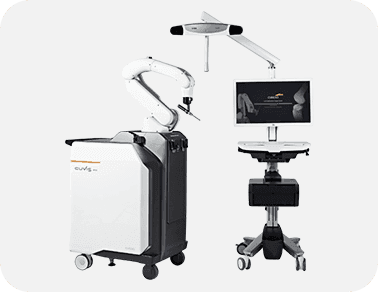
Overnight monitoring tools that record breathing patterns, oxygen levels, and sleep stages to assess apnea severity.


Airway Assessment and Procedure Suite
Clinical and endoscopic evaluation space with support for day-care and planned sleep apnea procedures.

Imaging for Upper Airway Planning
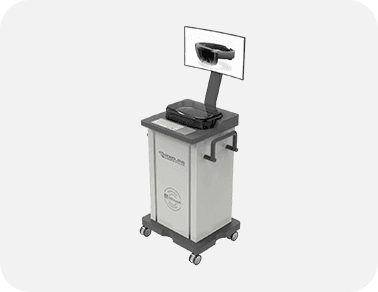
Imaging that helps visualise nasal, palate, and jaw structures when planning selected sleep apnea surgeries.
Related Specialities for Sleep Apnea Care

Diabetes & Endocrinology Support


Cardiology and Hypertension Care
Respiratory Medicine

Anaesthesia and Critical Care

ENT Issues Related to Sleep Apnea Surgery in Chandigarh
Eye Symptoms That May Point to Sleep Apnea Risk

Skin & Facial Changes Sometimes Seen in Sleep Apnea
Stress, Poor Sleep & Sleep Apnea–Related Problems
Patient Stories of Sleep Apnea Surgery in Chandigarh
Read real experiences of people who underwent evaluation and treatment for sleep apnea, including sleep apnea surgery in Chandigarh, and how it supported safer, more restful sleep.
Sleep Apnea Surgery in Chandigarh – FAQs
What is sleep apnea surgery, and when is it recommended? +−
Sleep apnea surgery is a treatment option for people with obstructive sleep apnea (OSA) when lifestyle changes, CPAP therapy, or other non-surgical treatments do not provide adequate relief. Surgery aims to improve airflow and reduce airway obstruction during sleep.
Who is a suitable candidate for sleep apnea surgery in Chandigarh? +−
Individuals with moderate to severe obstructive sleep apnea, enlarged tonsils, structural airway abnormalities, or persistent symptoms despite CPAP use may be candidates for sleep apnea surgery. A specialist evaluation is necessary to determine eligibility.
What types of sleep apnea surgeries are available?+−
Depending on the underlying cause, procedures may include uvulopalatopharyngoplasty (UPPP), tonsillectomy, nasal surgery, tongue-base reduction, or other airway-correcting surgeries designed to improve breathing during sleep.
What are the common symptoms that indicate the need for sleep apnea treatment? +−
Common symptoms include loud snoring, daytime fatigue, morning headaches, interrupted sleep, gasping for air during sleep, poor concentration, and excessive daytime sleepiness.
Why choose Healing Hospital Chandigarh for sleep apnea surgery? +−
Healing Hospital Chandigarh offers comprehensive evaluation, advanced diagnostic facilities, experienced specialists, and personalized treatment plans for patients suffering from sleep apnea and other sleep-related breathing disorders.
How long is the recovery period after sleep apnea surgery? +−
Recovery time varies depending on the type of procedure performed and the patient's overall health. Most patients can resume routine activities within a few weeks, following their surgeon's recommendations.
Can sleep apnea surgery permanently cure obstructive sleep apnea? +−
The success of sleep apnea surgery depends on the cause and severity of the condition. Many patients experience significant improvement in symptoms, breathing quality, and sleep patterns after surgery, although outcomes vary individually.
How can I schedule a consultation for sleep apnea surgery in Chandigarh? +−
You can schedule a consultation with a sleep apnea specialist in Chandigarh for a detailed assessment, sleep study review, and personalized treatment recommendations based on your condition.