 24X7
24X7

Neurology Hospital for Non-Surgical Brain & Nerve Care in Chandigarh
Stepwise, clearly explained care pathways for headaches, seizures, stroke follow‑up, neuropathy, spine‑related nerve pain, and other neurological concerns.
Consultations review your symptoms, MRI / CT or nerve tests, medical history, and daily routine, along with concerns about work, sleep, or long‑term effects.
You receive practical information on diagnosis, medicine options, lifestyle measures, and when a procedure or referral may be needed. Care is coordinated with other specialities when required.
If you are seeking non‑surgical brain and nerve care in the tricity, the focus is on protocol‑based neurology support, close to home.

Why Plan Non-Surgical Brain & Nerve Care in Chandigarh?

Support for Sudden Neurological Symptoms New or worsening headaches, weakness, seizures, or balance issues may need prompt review. Initial care focuses on stabilisation, symptom relief, and outlining safe, non‑surgical treatment options that protect brain and nerve function.

Comprehensive Neurology Evaluation Detailed history, examination, and tests such as MRI, CT, EEG, or nerve conduction studies help plan non‑surgical care for a range of neurological conditions in a systematic, stepwise manner.

Patient‑Centred Brain & Nerve Planning Neurological conditions can affect work, family responsibilities, sleep, and mood. Reports and treatment options are explained in simple terms, with discussion on medicines, monitoring, and lifestyle changes so you stay involved in each decision.

Key Areas in Non-Surgical Brain & Nerve Care
Headache & Migraine Management
Clinical assessment and, when needed, imaging help rule out serious causes. Treatment focuses on suitable medicines, trigger identification, and lifestyle measures for safer, long‑term control.
Seizure & Epilepsy Care in Chandigarh
Events are reviewed in detail, with EEG and imaging where indicated. Medicine choice, dosing, and safety precautions are discussed with clear guidance on driving, work, and follow‑up.
Stroke Follow‑Up & Prevention
After initial stroke treatment, regular visits help monitor recovery, adjust medicines, and address risk factors such as blood pressure, diabetes, and cholesterol.
Peripheral Neuropathy & Nerve Pain
Numbness, burning, or tingling in hands and feet is evaluated for possible causes such as diabetes or vitamin imbalance. Medicines, foot care, and lifestyle advice are planned individually.
Movement & Memory Concerns
Tremors, stiffness, slowed movements, or memory changes are assessed with a focus on practical, day‑to‑day support and non‑surgical options where appropriate.
Possible Risks and Concerns in Neurological Care
Persistent or Fluctuating Symptoms
Some patients may notice ongoing headaches, weakness, or sensory changes despite treatment. Regular review helps refine medicines and further investigations.
Medicine‑Related Discomfort
Drowsiness, stomach upset, mood changes, or sleep disturbance may occur with some neurological medicines. These are usually monitored and managed with a stepwise plan.
Impact on Daily and Emotional Well‑Being
Living with a brain or nerve condition can influence mood, work, driving, and family life. Clear communication, realistic expectations, and timely counselling may support adjustment and recovery.
Common Concerns Related to Brain and Nerve Health
Assessment and management of frequent neurological symptoms in a structured, non‑surgical care setting.
Headache and Migraine
Recurrent headache, sensitivity to light or sound, or nausea may suggest migraine or other headache disorders. Assessment can include clinical examination, review of triggers, and brain imaging when needed. Management options may range from lifestyle advice and acute medicines to preventive treatment plans.
Chest Discomfort with Possible Nerve or Spine Cause
Chest pain or tightness with normal cardiac tests may sometimes relate to cervical spine or nerve issues. Care can include neurological examination, spine imaging when indicated, and discussion of physiotherapy, posture measures, and medicines where suitable.
Leg Weakness, Numbness, or Sciatica‑Like Pain
Pain, tingling, or weakness in the legs or lower back may suggest nerve root compression or peripheral nerve involvement. Evaluation focuses on examination, nerve and spine imaging when required, and discussion of non‑surgical options such as medicines, exercises, and targeted injections.
Neurology Symptoms Around Menstrual Cycle
Headache, vertigo, or mood and sleep changes around periods can affect daily life. Assessment may include neurological and general examination, relevant blood tests, and review of patterns. Management can range from lifestyle changes and supplements to preventive medicines, based on individual needs.
Benign Nerve‑Related Lumps or Tingling
Localised tingling, small soft‑tissue swellings along nerve paths, or nerve‑compression symptoms may need evaluation. Care focuses on examination, nerve conduction studies or imaging when needed, and planning non‑surgical relief measures with attention to function and comfort.
Discomfort or Sensitivity Around Old Scars
Persistent burning, numbness, or sensitivity around previous surgical scars may indicate nerve irritation or entrapment. Evaluation includes scar type, sensory testing, and prior reports. Management may involve medicines, local therapies, or minor procedures when appropriate.
Concerns After Major Weight Change
After significant weight loss or gain, some individuals notice back pain, nerve‑like tingling, or balance changes. Assessment reviews medical history, weight pattern, and nutritional status. Planning includes discussion of lifestyle measures, physiotherapy, and neurological follow‑up when required.
Pain or Weakness After Surgery
New or persistent pain, numbness, or weakness following surgery may need focused neurological evaluation. Assessment considers timing, location, and imaging findings. Treatment planning aims for realistic outcomes and may include medicines, nerve blocks, or rehabilitation.
Age‑Related Brain and Nerve Changes
With age, individuals may develop memory changes, slower walking, tremors, or balance issues. Management can include lifestyle advice, medication when indicated, screening tests, and discussion of safety measures at home.
Pre‑Surgical Neurology Evaluation
Before planned surgery, neurological assessment can help clarify risks related to stroke, seizures, or existing nerve disorders. Evaluation may include detailed history, examination, brain or vessel imaging when required, and review of medicines.
Unresolved Symptoms After Previous Treatment
Ongoing headaches, dizziness, or limb symptoms after earlier treatment may require reassessment. Evaluation can include history, examination, and targeted tests to plan next steps safely.
High‑Risk and Complex Neurology Cases
Individuals with multiple medical conditions, prior strokes, or complex brain and spine findings may benefit from structured planning. This may involve imaging, input from different specialties, and careful staging of investigations and therapies.
Urgent Neurology Concerns
Sudden weakness, facial drooping, severe headache, vision loss, seizures, or confusion require timely evaluation. Prompt assessment helps decide whether observation, urgent imaging, or hospital care is needed.
Senior Neurology Consultant
Consultant Neurologist
Brain & Nerve Disorders Experience in outpatient and day‑care neurology

Neurology specialist focused on non‑surgical management of brain and nerve disorders, including headaches, seizures, stroke follow‑up, and neuropathies.
Neurologists Available

Consultant Neurologist
Consultant Neurologist
Evaluation and Monitoring for Brain and Nerve Care
Selected diagnostic tools that support planning and delivery of non‑surgical neurology care in Chandigarh.

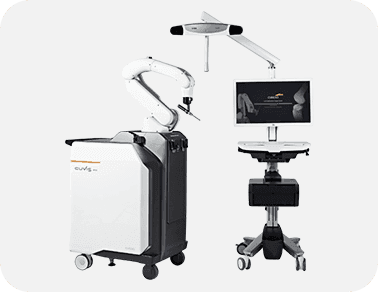
Brain Imaging and Diagnostic Systems
CT, MRI, and other imaging tools to assess the brain, spine, and blood vessels for individualised neurology treatment plans.

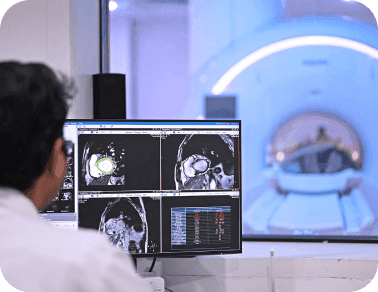
Dedicated Neurology and Day‑Care Suites
Clinical areas designed for outpatient consultations, day‑care infusions, and follow‑up visits for brain and nerve conditions.

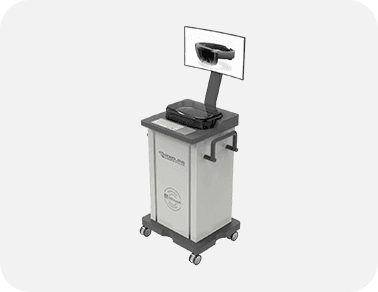
EEG, Nerve Conduction, and Monitoring Tools
Focused instruments used to study seizures, sleep disorders, and nerve function, supporting precise, non‑surgical treatment.
Related Specialities Supporting Neurology Care

Diabetes & Endocrinology Support


Cardiology and Blood Pressure Care
Internal and Respiratory Medicine

Anaesthesia and Critical Care

ENT Support for Breathing and Sleep Concerns
Eye Concerns Linked to Neurological Conditions – Chandigarh

Skin & Facial Changes in Brain and Nerve Disorders – Chandigarh
Stress, Recovery & Daily Concerns in Neurology Care – Chandigarh
Patient Stories from Our Neurology Hospital in Chandigarh
Read how people with brain and nerve conditions at our Neurology Hospital in Chandigarh felt better informed through clear explanations, realistic expectations, and careful follow‑up at every step.
Non‑Surgical Brain & Nerve Care at Our Neurology Hospital – FAQs
What services are offered at the Neurology Hospital in Chandigarh?+−
Services may include evaluation and non‑surgical management of common brain and nerve conditions at the Neurology Hospital in Chandigarh. Care usually starts with a detailed consultation and neurological examination, followed by tests or imaging only when needed. Treatment plans can include lifestyle guidance, medicines, and regular monitoring. Each step is discussed with you to support informed, comfortable decisions.
When should I seek help for possible brain or nerve problems?+−
You may consider a consultation if you have symptoms such as frequent or severe headaches, seizures, weakness, imbalance, memory changes, or numbness. A clinical evaluation at a Neurology Hospital in Chandigarh helps clarify realistic options and guide care tailored to your goals and safety.
How can I prepare for my first neurology consultation?+−
It can help to note your main concerns, the pattern of symptoms, any previous procedures, medicines, and medical history before the visit. Bring reports of past tests, scans, or hospital admissions if available. Make a list of questions about diagnosis, recovery time, expected benefits, and possible alternatives. Arriving a little early can make the process smoother and allow time for paperwork, tests, and detailed discussion.