
 24X7
24X7
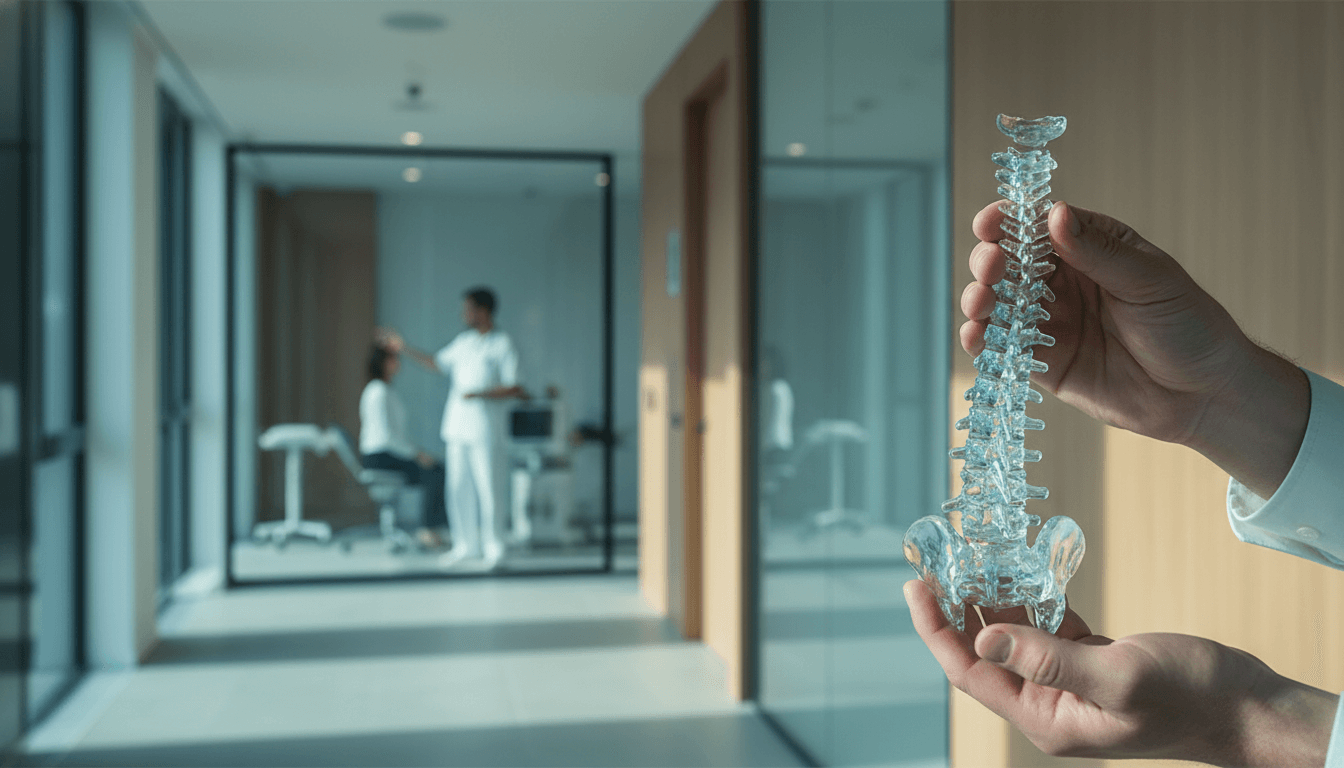
Explore the essential factors every patient should consider when selecting a spine specialist in Chandigarh, from credentials and patient feedback to technology and hospital infrastructure.
Choosing the best spine surgeon for yourself or a loved one means finding a specialist who is highly trained, experienced in treating your specific spine problem, and supported by a well-equipped hospital team. The right spine surgeon will carefully evaluate whether you truly need surgery, explain all options in simple language, and guide you safely from diagnosis to recovery.
Key Takeaways
Start with qualifications: Look for a spine surgeon with recognized degrees, specialized training in spine surgery, and registration with appropriate medical councils.
Experience matters: Ask how often the surgeon handles your specific condition (like slipped disc, spinal stenosis, or spine fractures) and what treatments they commonly use.
Communication and trust are essential: The best spine surgeon for you is someone who listens carefully, explains clearly, and involves you in every treatment decision.
Hospital support and technology: A well-equipped hospital with advanced imaging, operating theatres, ICU backup, and rehabilitation services can improve overall safety and comfort.
Second opinions are okay: If you feel unsure about surgery, it is completely acceptable to seek a second opinion from another spine specialist before deciding.
What Does a Spine Surgeon Do and When Should You See One?
A spine surgeon is a doctor who specializes in diagnosing and treating problems of the spine, such as slipped discs, nerve compression, deformities, infections, injuries, and some tumors. You should consider seeing a spine specialist if you have persistent neck or back pain, pain radiating to the arms or legs, weakness, numbness, balance issues, or loss of bladder/bowel control that does not improve with basic treatment.
Spine surgeons do not only perform operations; they also help decide when medicines, physiotherapy, injections, or lifestyle changes may be enough. Surgery is usually considered only when symptoms are severe, long-lasting, or affecting your quality of life despite conservative (non-surgical) care.
What Spine Conditions Are Commonly Treated?
Spine surgeons manage a wide range of conditions that affect the bones, discs, nerves, and supporting structures of the spine. Understanding these can help you ask the right questions during your consultation.
Slipped disc (herniated disc): When the soft cushion between the spinal bones bulges or ruptures, pressing on nearby nerves and causing back or neck pain, often with leg or arm pain.
Spinal stenosis: Narrowing of the spinal canal that can compress nerves, leading to pain, tingling, or weakness, especially when walking or standing.
Sciatica: Nerve pain that travels from the lower back down the leg, usually due to pressure on the sciatic nerve.
Spine fractures: Breaks in the spinal bones, often due to accidents, falls, or osteoporosis (weak bones).
Scoliosis and deformities: Abnormal curvature or alignment of the spine that may need close monitoring or, in some cases, surgery.
Spinal infections or tumors: Less common but serious conditions that require timely diagnosis and specialized treatment.
How Can You Check a Spine Surgeon’s Qualifications and Training?
To choose the best spine surgeon for your situation, begin by checking their formal education, specialized training, and professional affiliations. A well-qualified surgeon is more likely to follow evidence-based practices and maintain high safety standards.
Basic medical qualification: Look for an MBBS degree followed by an MS in Orthopaedics or an equivalent recognized qualification.
Specialized spine training: Many spine surgeons complete fellowships or advanced training focused on spine surgery, minimally invasive techniques, or deformity correction.
Registration and memberships: Ensure the surgeon is registered with the appropriate medical council and, where applicable, is a member of recognized orthopaedic or spine societies.
Continuing education: Surgeons who attend conferences, workshops, and training programs stay updated with the latest guidelines and technology.
Do not hesitate to politely ask about your doctor’s training, how long they have been practicing, and their experience with your particular spine problem.
Why Does Experience with Your Specific Spine Condition Matter?
A surgeon’s overall experience is important, but what matters even more is how often they manage your specific condition and type of surgery. Spine surgery is highly specialized, and expertise grows with focused practice.
Ask about case volume: You may ask, “How many patients with my condition do you treat in a month or year?” or “How often do you perform this particular surgery?”
Range of treatments: A good spine surgeon is comfortable with both non-surgical and surgical care, and does not recommend surgery as the first or only option without explaining alternatives.
Complex cases: If your condition is complicated (for example, previous spine surgeries, multiple level disease, or deformity), ask whether the surgeon routinely handles similar complex cases.
While no doctor can promise a specific outcome, experience often helps in planning surgery, handling unexpected situations, and guiding safe recovery.
What Role Do Communication and Bedside Manner Play?
The best spine surgeon for you is not only technically skilled but also someone who makes you feel heard, respected, and informed. Clear communication can reduce anxiety and help you participate actively in your treatment decisions.
Listening to your story: Notice whether the doctor allows you to explain your symptoms fully and asks detailed questions rather than rushing to conclusions.
Explaining in simple words: Your surgeon should explain your diagnosis, test results, and treatment options in language you understand, including the benefits and possible risks of each choice.
Shared decision-making: You should feel that your concerns, preferences, and lifestyle are considered before recommending surgery.
Realistic expectations: A responsible surgeon will never guarantee a cure. Instead, they will discuss likely improvements, possible limitations, and what you need to do during recovery.
What Hospital Facilities Should You Look for When Choosing a Spine Surgeon?
Spine surgery, when needed, should be performed in a hospital that offers strong medical support, advanced technology, and a multidisciplinary team. The hospital environment can directly affect your safety, comfort, and recovery.
Advanced imaging: Availability of X-ray, CT scan, and MRI helps in accurate diagnosis and surgical planning.
Modern operating theatres: Operation rooms should be equipped for spine surgery, including high-quality imaging, navigation systems (where used), and strict infection control.
ICU and emergency backup: Especially for higher-risk patients or complex surgeries, access to intensive care and emergency support is important.
Anaesthesia and pain management: Experienced anaesthesiologists and pain specialists help ensure safe surgery and comfortable recovery.
Physiotherapy and rehabilitation: On-site physiotherapists can start early mobilization, exercises, and long-term rehabilitation after surgery.
How Should You Evaluate Non-Surgical vs Surgical Treatment Recommendations?
Not every spine problem needs surgery. In many cases, medicines, physiotherapy, exercises, lifestyle changes, or targeted injections may help control symptoms. A balanced spine specialist will discuss all appropriate options with you.
Conservative (non-surgical) care first: For many conditions, doctors may start with pain-relieving medicines, muscle relaxants, physical therapy, posture correction, and weight management.
When surgery is considered: Surgery is usually discussed when pain is severe or long-lasting, non-surgical treatment has not helped, or there are worrying signs like progressive weakness, difficulty walking, or loss of bladder/bowel control.
Understand the goal of surgery: Some operations aim to relieve nerve pressure, others to stabilize the spine, or correct deformity. Ask what improvement you can reasonably expect in pain, mobility, and daily activities.
Discuss risks and alternatives: Every surgery has possible risks. Your surgeon should explain these clearly and compare them with the risks of not having surgery.
What Questions Should You Ask Before Spine Surgery?
Preparing a list of questions can help you feel more confident and informed. No question is “silly” when it comes to your health. Your surgeon should welcome your doubts and answer them patiently.
What exactly is my diagnosis, and which part of my spine is affected?
Are there non-surgical options still available, and what are their chances of helping me?
Why are you recommending this particular surgery for me?
What will happen if I choose to wait or not have surgery?
What does the surgery involve, and how long will it take?
What type of anaesthesia will be used?
What are the common and rare risks or complications of this surgery?
How long will I stay in the hospital?
When can I walk, climb stairs, or return to work and regular activities?
Will I need physiotherapy, and for how long?
How Important Are Patient Reviews and Recommendations?
Patient experiences can give you insight into how a spine surgeon and hospital function in real life. However, reviews should be considered along with, not instead of, medical qualifications and your own impression during consultation.
Look for patterns: Consistent comments about good communication, clear explanations, and helpful staff can be reassuring.
Be cautious of extremes: Very positive or very negative reviews alone do not tell the full story. Each patient’s condition and expectations are different.
Personal recommendations: Advice from trusted family doctors, physiotherapists, or friends who had similar spine issues can also guide you, but your needs may still be unique.
When Should You Seek an Urgent Spine Consultation?
Some symptoms suggest that spinal nerves or the spinal cord may be under serious pressure and need urgent medical attention. Delaying in such cases can increase the risk of long-term problems.
Sudden or rapidly worsening weakness in your arms or legs.
Loss of control over urine or stool, or numbness in the area around the buttocks or genitals.
Severe back or neck pain after a fall, accident, or injury.
High fever with back pain, which may suggest infection.
Cancer history with new, persistent spine pain.
If you notice any of these warning signs, seek immediate medical care or visit the emergency department rather than waiting for a routine appointment.
Seeking Care at Healing Hospital
Living with persistent neck or back pain can be exhausting and frightening, especially when you are worried about the possibility of surgery. It is normal to feel anxious, confused by medical terms, and unsure about the best next step for yourself or your loved one.
At Healing Hospital’s Orthopaedics & Spine department, our team focuses on careful assessment, step-by-step explanation, and individualized treatment plans. We use evidence-based approaches, advanced imaging, and a multidisciplinary team including spine specialists, anaesthesiologists, physiotherapists, and rehabilitation experts to help manage a wide range of spine conditions, from slipped discs and sciatica to complex deformities and injuries.
If you are experiencing ongoing spine-related pain, weakness, or difficulty with daily activities, do not ignore your symptoms. If you are in or around Chandigarh and would like a professional opinion, you can schedule a consultation with our spine specialists at Healing Hospital to discuss your diagnosis, treatment options, and a personalized plan for your recovery.
Contact Healing Hospital – Brain & Spine Neurosurgery in Chandigarh
If you are experiencing symptoms related to brain, spine, nerve, or neurological disorders and would like expert evaluation, our neurosurgery team is available to assist you with diagnosis, treatment planning, and advanced surgical care.
Book an Appointment
Healing Super-speciality Hospital
13-14-15-16-17-18-19-20-21-22-23-24-25, Piccadily Road, Sub City Center, Sector 34A, Chandigarh – 160022
Phone: +91-9464343434, 0172-5088883
Email: info@healinghospital.co.in
Whether you need a consultation for brain tumors, spine disorders, slipped disc, stroke management, neurotrauma, or minimally invasive neurosurgery, our specialists are committed to providing personalized and evidence-based care.
For appointments, treatment inquiries, or second opinions, contact our team today and take the next step toward expert neurological care.
Frequently Asked Questions
1. How do I choose the best spine surgeon in Chandigarh?
When choosing the best spine surgeon in Chandigarh, look for a specialist with extensive experience in treating spinal disorders, advanced surgical expertise, positive patient outcomes, and access to modern diagnostic and surgical technologies. It is also important to consider the hospital's infrastructure and rehabilitation services.
2. What conditions does a spine specialist in Chandigarh treat?
A spine specialist in Chandigarh treats a wide range of conditions, including slipped discs, sciatica, spinal stenosis, scoliosis, spine fractures, degenerative disc disease, spinal infections, and chronic neck or back pain.
3. When should I consult a spine doctor in Chandigarh for back pain?
You should consult a spine doctor in Chandigarh if your back pain persists for several weeks, radiates to your arms or legs, causes numbness or weakness, affects daily activities, or does not improve with medication and physiotherapy.
4. Which hospital should I choose for spine surgery in Chandigarh?
A good spine surgery hospital in Chandigarh should offer experienced spine surgeons, advanced imaging facilities, modern operation theatres, multidisciplinary care, and comprehensive post-surgical rehabilitation services to support recovery.
5. What is the recovery time after spine surgery?
Recovery time varies depending on the type of surgery, the patient's overall health, and the severity of the condition. Many patients resume light activities within a few weeks, while complete recovery may take several months under medical supervision.
6. Why is Chandigarh considered a preferred destination for spine treatment?
Chandigarh is home to advanced healthcare facilities, experienced spine specialists, modern surgical technologies, and comprehensive rehabilitation programs, making it a preferred destination for spine treatment and spine surgery in North India.