 24X7
24X7
Belly fat changes slowly, and that is exactly why crash diets rarely give lasting results. If you want to reduce belly fat, the safer route combines a steady diet pattern, regular movement, sleep, stress care and medical review when weight gain may connect with a health condition.
A flatter stomach is often the visible goal, yet abdominal fat matters for deeper health reasons too. Fat around the abdomen may include visceral fat, which sits around internal organs and links with higher cardiometabolic risk, including insulin resistance, blood pressure concerns and abnormal cholesterol levels. The aim is not a quick fix for one body part. The aim is a plan you can follow without extreme hunger, unsafe exercise or repeated weight regain.
Why Crash Diets Do Not Work For Belly Fat
Crash diets usually cut calories so sharply that they become hard to maintain, and the weight lost early often includes water and muscle along with fat. That matters because muscle helps your body use energy, and losing it may make long-term weight management harder.
A safer pace matters. The CDC states that people who lose weight gradually, about 1 to 2 pounds a week, are more likely to keep weight off than those who lose weight quickly. For you, that means a steady plan is more useful than a harsh one that ends after a few days.
Very low-calorie plans may also leave gaps in protein, iron, calcium and other nutrients unless a doctor or dietitian supervises them. If you have diabetes, thyroid disease, kidney disease, heart disease, pregnancy, an eating disorder history or take regular medicines, sudden dieting may carry extra risk.
A safer goal starts with the habits that influence abdominal fat over time, beginning with food choices you can repeat.
Build A Diet To Reduce Belly Fat
A diet to reduce belly fat does not need to remove whole food groups unless your doctor advises it. Your plate needs enough protein, fibre and healthy fats to keep you satisfied, while reducing the foods and drinks that add calories without helping fullness.
Use this as a practical plate guide for most main meals:
Food choice | What to choose | Why it helps you |
Protein | Dal, curd, eggs, fish, chicken, paneer, tofu or beans | Protein helps protect muscle while you lose fat. |
Fibre-rich carbohydrates | Whole wheat roti, oats, brown rice, millets, fruits and vegetables | Fibre slows digestion and helps you feel full for longer. |
Healthy fats | Nuts, seeds, groundnut oil, mustard oil or olive oil in measured amounts | Fat adds satisfaction, so meals feel complete. |
Drinks | Water, unsweetened tea, lemon water without sugar or buttermilk | Cutting sugary drinks lowers extra calories quickly. |
Portion size still matters. A balanced meal can still lead to weight gain if portions stay larger than your body uses. A simple starting point is to fill half your plate with vegetables or salad, one quarter with protein and one quarter with grains or starchy foods.
Indian meals can fit this approach well. You may pair dal with vegetables and roti, add curd for protein, choose grilled or home-cooked options more often, and keep fried snacks, sweets and sweetened drinks for occasional use rather than daily routine.
Food quality sets the base, and exercise helps your body use stored energy more effectively.
Exercises To Reduce Belly Fat Safely
Exercises to reduce belly fat work best when they combine calorie-burning activity with strength training. No exercise burns fat from only one area, so hundreds of crunches will not specifically remove lower-abdominal fat. Your body loses fat across regions as your overall energy balance improves.
For most adults, public health guidance supports a mix of aerobic activity and muscle-strengthening work. The WHO recommends 150 to 300 minutes of moderate-intensity aerobic activity each week, or 75 to 150 minutes of vigorous activity, along with muscle-strengthening activity on two or more days.
Exercise type | Examples | What it does for you |
Brisk cardio | Walking, cycling, swimming or dancing | Helps your body use more energy across the week. |
Strength training | Squats, wall push-ups, resistance bands or weight training | Helps maintain muscle while you lose fat. |
Core work | Planks, dead bugs, bird dogs or pelvic tilts | Improves trunk strength and posture, without spot reduction claims. |
Daily movement | Taking stairs, short walks and less sitting | Raises total movement without a formal workout. |
Start at a level your joints, breathing and fitness allow. If you have chest pain, breathlessness out of proportion to effort, dizziness, recent surgery, severe knee pain or a known heart condition, ask a doctor before starting intense exercise.
Exercise makes fat loss easier, but expectations around speed often need a reset.
Can You Reduce Belly Fat In A Week?
You may feel less bloated in a week if you reduce excess salt, sugary drinks, alcohol, constipation triggers or large late-night meals. Real fat loss, including abdominal fat loss, takes longer because the body needs a repeated calorie gap over days and weeks.
A one-week goal can still help if you use it to start habits rather than chase a dramatic result. Focus on actions you can measure:
● Walk for 20 to 30 minutes on most days.
● Add protein to breakfast.
● Drink water instead of sugary drinks.
● Sleep at a consistent time.
● Keep fried snacks out of daily meals.
These steps may help you begin to lose belly fat without shocking your body. The scale may move slowly at first, so track waist measurement, energy levels, digestion and exercise consistency along with weight.
Once the first week builds momentum, your next challenge is staying consistent enough for lower-belly fat to change.
How To Reduce Lower Belly Fat Without Spot Reduction Myths
Many people search for ways to reduce lower belly fat because that area often changes later than the face, arms or upper abdomen. Hormones, genetics, posture, bloating, muscle tone and previous weight changes may all affect how the lower abdomen looks.
A safer plan treats lower-belly fat as part of total fat loss. Core exercises can strengthen muscles under the fat, but they do not choose where fat leaves first. Pairing strength training with walking, balanced meals and better sleep gives your body a better chance to reduce fat over time.
Bloating can also make the lower abdomen look fuller even when fat has not increased. If bloating, constipation, abdominal pain, menstrual changes or sudden swelling occurs, a doctor can check for digestive, gynaecological or hormonal causes before you assume the issue is fat alone.
Lower-belly changes often need patience, and lifestyle factors outside diet and exercise can make that patience easier to sustain.
Lifestyle Habits That Support Fat Loss
Sleep, stress and routine influence appetite, cravings and exercise consistency. If sleep stays short or stress remains high, many people find it harder to control late-night eating, sweet cravings or missed workouts.
Aim for a repeatable routine rather than a strict perfect day. These habits support your diet and exercise plan:
● Keep regular sleep and wake times when possible.
● Eat meals without long gaps that trigger overeating later.
● Limit alcohol, since it adds calories and may affect food choices.
● Plan snacks such as fruit, curd, nuts or roasted chana.
● Take short movement breaks if your work keeps you seated.
Stress management does not need to be complex. Slow breathing, a short walk, stretching, prayer, journaling or talking to someone you trust may help you respond to stress without using food as the only comfort.
Lifestyle changes are useful, but some signs call for medical evaluation rather than self-directed weight loss alone.
When To Consult A Doctor About Belly Fat Or Weight Gain
Medical guidance helps when weight changes quickly, abdominal size increases without a clear reason or lifestyle changes do not lead to progress. A doctor can check whether thyroid concerns, diabetes risk, polycystic ovary syndrome, medicines, sleep apnea, liver health or other factors may play a role.
You should seek urgent medical care if abdominal swelling comes with severe pain, chest pain, fainting, breathlessness, vomiting blood or black stools. These symptoms need timely assessment and should not wait for a weight-loss plan.
At Healing Hospital, Chandigarh, you can consult a specialist if you need medical review for weight gain, abdominal symptoms, diabetes risk, heart concerns or exercise safety. Your doctor may advise tests or referrals based on your history, examination and risk factors.
The safest plan is the one that fits your health status, not just your weight goal.
Final Takeaway
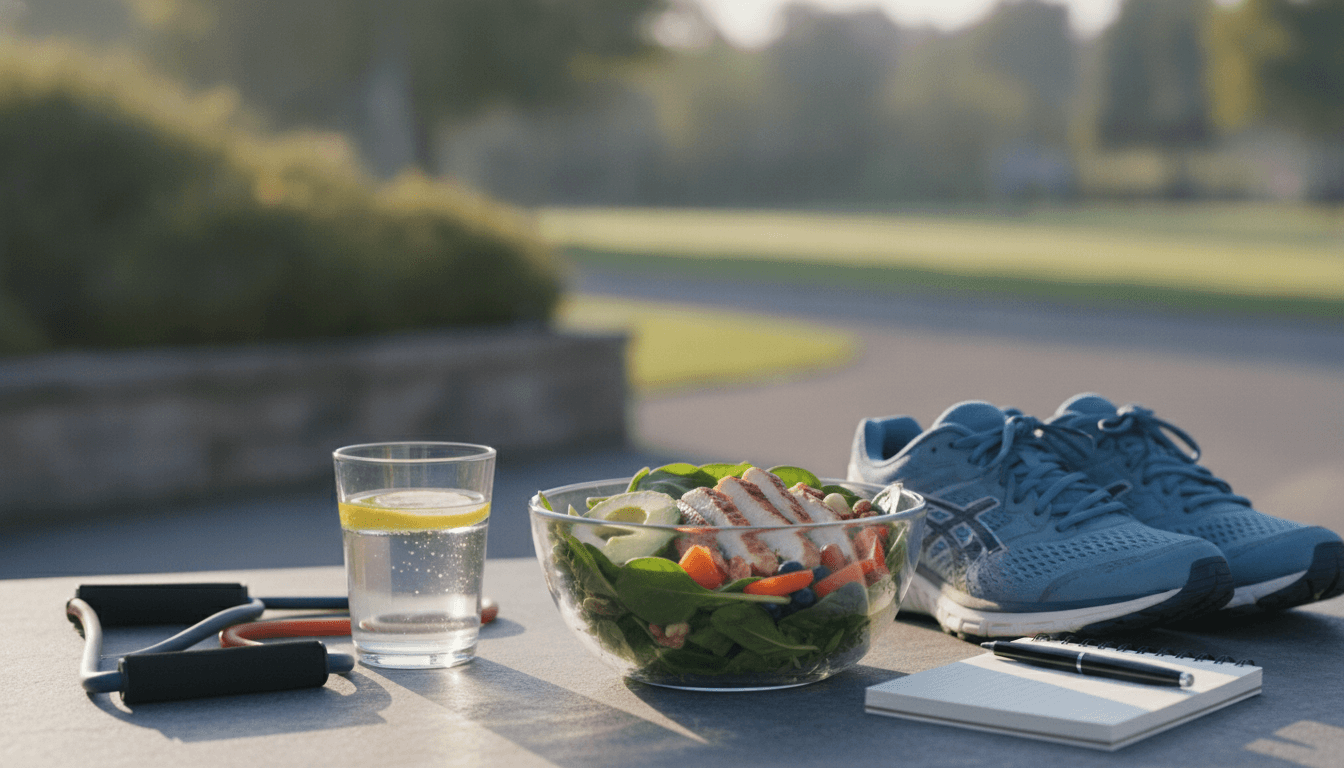
To reduce belly fat without crash diets, focus on steady habits: balanced meals, regular exercise, strength training, enough sleep and medical review when symptoms or health conditions need attention. You do not need extreme fasting, unsafe supplements or painful workouts to make progress.
If you need personalised guidance, book an appointment with a specialist at Healing Hospital, Chandigarh. A doctor can help you understand your health risks and choose a plan that suits your body, medical history and fitness level.
Take the Next Step Towards Better Health
Losing belly fat is about improving your overall health, not following extreme diets or quick fixes. If you are struggling with persistent weight gain, increased abdominal fat, or have concerns about conditions such as diabetes, thyroid disorders, PCOS, or metabolic health, a medical evaluation can help identify the underlying cause and guide you towards a safe, sustainable weight management plan.
At Healing Hospital, Chandigarh, our specialists provide comprehensive assessment and personalised guidance tailored to your health needs.
📞 Call Us: +91-9464343434, 01725088883
📧 Email: info@healinghospital.co.in
📅 Book your consultation today and take the first step towards achieving your health and wellness goals with expert medical support.
Frequently Asked Questions
1. What Is The Best Way To Reduce Belly Fat Safely?
The safest way to reduce belly fat is to combine a balanced diet, regular aerobic exercise, strength training, enough sleep and stress care. If you have a medical condition or take regular medicines, consult a doctor before making major diet or exercise changes.
2. Which Foods Help Reduce Belly Fat?
Foods rich in protein and fibre may support fat loss by helping you feel full for longer. Choose dal, eggs, curd, beans, vegetables, fruits, whole grains, nuts and seeds while limiting sugary drinks, fried snacks and frequent sweets.
3. Are There Specific Exercises To Reduce Belly Fat?
No exercise removes fat only from the belly. Brisk walking, cycling, swimming, strength training and core exercises can support total fat loss and improve muscle tone, which may help abdominal shape over time.
4. Can I Reduce Belly Fat In A Week?
You may reduce bloating and start healthier habits in a week, but meaningful belly-fat loss takes longer. A safer first-week goal is to walk more, reduce sugary drinks, improve meal balance and sleep consistently.
5. How Can I Reduce Lower Belly Fat?
You can reduce lower belly fat by working on overall fat loss through diet, exercise and lifestyle changes. If lower-abdominal fullness comes with pain, bloating, menstrual changes or sudden swelling, consult a doctor to check for other causes.
6. When Should I See A Doctor For Weight Or Belly Fat Concerns?
See a doctor if weight gain is sudden, abdominal size increases without a clear reason or you have symptoms such as severe pain, breathlessness, chest pain or persistent bloating. Medical evaluation can help identify conditions that may affect weight and abdominal health.