 24X7
24X7
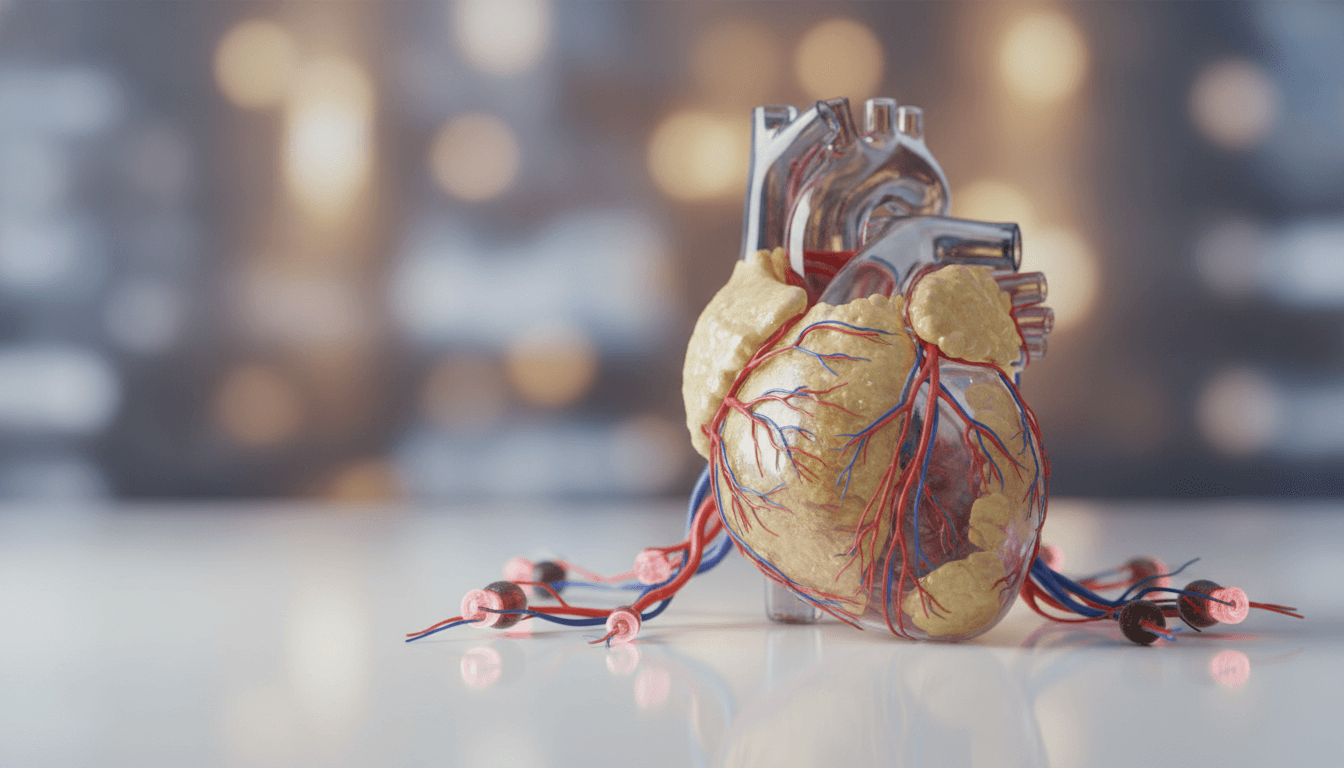
Cholesterol levels tell you how much cholesterol and related fats are moving through your blood. Your body needs some cholesterol for hormones, cells and digestion, yet high cholesterol may allow fatty deposits to build up inside arteries and increase your risk of heart disease over time.
The difficult part is that high cholesterol often has no warning symptoms. A cholesterol test gives you the numbers your doctor needs to assess risk, plan prevention and decide whether lifestyle changes, medicines or further heart evaluation may help.
What Cholesterol Levels Mean
Your cholesterol levels come from a blood test that reports different types of fats in your blood. Each number tells your doctor something different, so a single total cholesterol value does not give the full picture.
Cholesterol travels through blood on proteins called lipoproteins. Some lipoproteins carry cholesterol toward artery walls, while others help remove extra cholesterol from the bloodstream. This is why your report usually separates LDL, HDL, non-HDL cholesterol and triglycerides rather than giving one number alone.
Report Term | What It Means | Why It Matters For Your Heart |
Total cholesterol | The total amount of cholesterol in your blood | A high value can point to higher heart risk, but your doctor reads it with LDL and HDL |
LDL cholesterol | Low-density lipoprotein, often called bad cholesterol | Higher LDL can add to plaque buildup inside arteries |
HDL cholesterol | High-density lipoprotein, often called good cholesterol | Higher HDL helps carry cholesterol away from arteries |
Non-HDL cholesterol | Total cholesterol minus HDL cholesterol | This includes LDL and other particles linked with artery plaque |
Triglycerides | Another type of fat in blood | High triglycerides may add to heart risk, especially with high LDL or low HDL |
The main lesson from a cholesterol report is direction, not fear. If one value is outside the usual range, your doctor can connect that result with your age, blood pressure, diabetes status, family history and symptoms before advising the next step.
Good Vs Bad Cholesterol: Why LDL And HDL Matter
Good vs bad cholesterol is a simple way to explain how different lipoproteins behave in your body. LDL and HDL matter because they affect whether cholesterol tends to collect in artery walls or move away from them.
LDL cholesterol earns the bad cholesterol label because it contributes to fatty plaque in arteries. As plaque builds, arteries can narrow and stiffen, which may reduce blood flow to the heart. If a plaque breaks and a clot forms, the result may be a heart attack or stroke.
HDL cholesterol earns the good cholesterol label because it helps remove cholesterol from blood and carries it back to the liver. Higher HDL does not cancel out every risk, but it often improves the overall pattern on your lipid report.
> High cholesterol often has no symptoms. The CDC states that many people do not know their levels are high because high cholesterol does not cause symptoms by itself. This is why testing matters before a heart problem appears.
For you, LDL and HDL turn a vague risk into something measurable. Once your doctor sees these values, prevention becomes more specific than a general instruction to “eat better” or “exercise more.”
Normal Cholesterol Levels By Age
Normal cholesterol levels depend on age, sex, medical history and overall heart risk. The ranges below are general desirable levels, so use them as a guide for discussion with your doctor rather than as a personal diagnosis.
MedlinePlus gives the following general cholesterol levels by age and sex for most people
Group | Total Cholesterol | LDL | HDL | Non-HDL | Triglycerides |
Age 19 or younger | Less than 170 mg/dL | Less than 110 mg/dL | More than 45 mg/dL | Less than 120 mg/dL | Your doctor interprets by age and risk |
Men age 20 or older | Less than 200 mg/dL | Less than 100 mg/dL | 60 mg/dL or higher is best | Less than 130 mg/dL | Less than 150 mg/dL |
Women age 20 or older | Less than 200 mg/dL | Less than 100 mg/dL | 60 mg/dL or higher is best | Less than 130 mg/dL | Less than 150 mg/dL |
Some reports also mark borderline or high values. For example, triglycerides from 150 to 199 mg/dL sit in a borderline high range, while 200 mg/dL or more usually counts as high in adult reports.
Your target may differ if you already have heart disease, diabetes, kidney disease, high blood pressure or a strong family history of early heart disease. In that situation, your doctor may advise a lower LDL goal because your artery risk starts from a higher baseline.
How High Cholesterol Affects Your Heart
High cholesterol affects your heart slowly, often over years. The risk comes from plaque formation inside arteries, which narrows the space where blood needs to flow.
When plaque affects the coronary arteries, which supply the heart muscle, your heart may not get enough oxygen-rich blood during activity or stress. This can lead to angina, which means chest discomfort due to reduced blood flow. If a clot blocks blood flow suddenly, a heart attack may occur.
High cholesterol also interacts with other risks. Smoking, diabetes, high blood pressure, low physical activity and family history can raise the chance that cholesterol buildup leads to a heart event. Your doctor looks at these risks together because a moderate cholesterol number may matter more when other risk factors are present.
For anyone with an abnormal report, the practical question is what the number means for the heart right now. A cardiology consultation can help decide whether you need lifestyle care alone, medicines, repeat testing or heart tests such as ECG, 2D Echo, TMT or CT coronary angiography based on your symptoms and risk profile.
High Cholesterol Symptoms And Warning Signs
High cholesterol symptoms can mislead people because high cholesterol usually does not cause clear symptoms on its own. Many people first learn about high cholesterol through a lipid profile rather than through how they feel.
Symptoms may appear when cholesterol-related plaque has already affected blood flow. If you develop chest pain, pressure, pain spreading to the arm, jaw or back, sudden breathlessness, sweating, nausea or fainting, seek urgent medical care. The American Heart Association lists chest discomfort, shortness of breath and discomfort in the upper body among heart attack warning signs.
Some people with inherited very high cholesterol may develop fatty deposits under the skin or around the eyes, but you should not wait for visible signs before testing. A simple cholesterol test gives a safer route to detection because it checks the risk before symptoms force an emergency decision.
If you have chest discomfort, breathlessness, palpitations or a report showing high cholesterol with other risk factors, a doctor can assess whether the concern relates to your heart, lungs, digestion, stress or another cause. That distinction matters because the right next test depends on the likely source of the symptom.
What A Cholesterol Test Shows
A cholesterol test, also called a lipid profile or lipid panel, uses a blood sample to measure total cholesterol, LDL, HDL, non-HDL cholesterol and triglycerides. Your doctor uses these values to estimate heart risk and choose a prevention plan.
You may need to fast before some lipid tests, often for 9 to 12 hours, especially if your doctor wants a fasting triglyceride value. Some people can take a non-fasting test, so follow the instruction given by your doctor or laboratory rather than guessing.
A test is especially useful if any of these apply:
● Family history of high cholesterol, heart attack or stroke
● Diabetes, high blood pressure or kidney disease
● Smoking or past tobacco use
● Weight gain around the abdomen
● Chest discomfort, breathlessness or reduced exercise tolerance
● Previous abnormal cholesterol report
Testing frequency also depends on age and risk. The CDC says most healthy adults need cholesterol screening every 4 to 6 years, while people with heart disease, diabetes or family history may need testing more often. Your doctor can set a schedule that fits your risk instead of relying on a fixed interval.
Cholesterol Prevention: Steps That Support Heart Health
Cholesterol prevention works best when it targets daily habits and medical risk together. Small changes matter because cholesterol buildup usually develops over time, and consistent prevention gives your arteries less exposure to high LDL and high triglycerides.
Choose fats carefully. Replace frequent fried foods, processed meats, full-fat dairy and bakery items with unsaturated fat sources such as nuts, seeds, fish and plant oils where these fit your diet. This helps reduce saturated fat, which can raise LDL cholesterol.
Add fibre-rich foods. Oats, dals, beans, fruits, vegetables and whole grains add soluble fibre, which may help lower LDL cholesterol. Fibre also supports better blood sugar and fullness, which matters if your doctor has discussed weight, diabetes or metabolic risk.
Move regularly. Brisk walking, cycling, swimming or another activity you can repeat most days may improve HDL cholesterol and support weight, blood pressure and insulin sensitivity. If you have chest pain, severe breathlessness or a known heart condition, ask your doctor what level of activity is safe.
Avoid tobacco. Smoking lowers HDL cholesterol and harms artery walls, which makes cholesterol buildup more dangerous. Quitting tobacco improves several heart risks at the same time, even if cholesterol medicine is also needed.
Take medicines as advised. If lifestyle change does not lower risk enough, your doctor may prescribe statins or other medicines. Medicine decisions depend on your LDL level, age, diabetes status, blood pressure, past heart history and family risk.
Prevention does not mean handling every risk alone. A doctor can help you turn your report into a plan that fits your food habits, medical history, current medicines and heart risk.
When To Consult A Cardiologist
A cardiologist can help when cholesterol numbers raise concern, especially if the report comes with symptoms or other heart risk factors. Early evaluation gives you a clearer plan before plaque-related disease becomes advanced.
Consider a cardiology consultation if your LDL or triglycerides remain high on repeat testing, if you have diabetes or high blood pressure, or if close family members had heart disease at a young age. You may also need review if you have chest pain, breathlessness on exertion, palpitations, dizziness or reduced stamina that does not have a clear cause.
At Healing Hospital, Chandigarh, the cardiology team assesses symptoms, medical history and risk factors before advising tests such as ECG, 2D Echo, Holter monitoring, TMT or CT coronary angiography when clinically needed. This means your next step follows your risk profile rather than a generic checklist.
If your cholesterol report has raised a concern, bring past reports, current medicines and details of any symptoms to your appointment. Those details help your doctor decide whether you need prevention advice, medication review, heart testing or follow-up monitoring.
Concerned About Your Cholesterol Levels?
If your cholesterol report shows high LDL, elevated triglycerides, or other abnormal lipid levels, don't wait until symptoms develop. Early evaluation can help reduce your risk of heart disease, heart attack, and stroke.
Consult the experienced Cardiology specialists at Healing Hospital, Chandigarh for comprehensive heart risk assessment, cholesterol management, and personalised treatment recommendations.
📞 Call: +91-9464343434, 01725088883
✉️ Email: info@healinghospital.co.in
You can also book an appointment with our Cardiology Department for expert guidance on managing cholesterol and protecting your long-term heart health.
Frequently Asked Questions
1. What Is A Normal Cholesterol Level?
For most adults, total cholesterol below 200 mg/dL and LDL below 100 mg/dL fall within desirable ranges. Your personal target may be lower if you have diabetes, heart disease, high blood pressure or strong family history.
2. Does High Cholesterol Cause Symptoms?
High cholesterol usually does not cause symptoms by itself. Many people find out through a cholesterol test, while symptoms such as chest pain or breathlessness may suggest a heart concern that needs urgent medical review.
3. What Is The Difference Between Good And Bad Cholesterol?
LDL is often called bad cholesterol because it can add to plaque buildup inside arteries. HDL is often called good cholesterol because it helps carry cholesterol away from arteries and back to the liver.
4. How Often Should I Get A Cholesterol Test?
Most healthy adults need cholesterol screening every 4 to 6 years, according to the CDC. You may need testing more often if you have diabetes, heart disease, high blood pressure, a family history of high cholesterol or a previous abnormal report.
5. Can Cholesterol Levels Improve Without Medicine?
Cholesterol levels may improve with diet changes, regular activity, tobacco avoidance and weight management where relevant. Some people still need medicines because their LDL level, inherited risk or heart history makes lifestyle change alone insufficient.
6. When Should I See A Doctor For High Cholesterol?
See a doctor if your cholesterol report shows high LDL, high triglycerides, low HDL or repeated abnormal results. Seek urgent care if cholesterol concerns come with chest pain, breathlessness, fainting, sweating or pain spreading to the arm, jaw or back.