 24X7
24X7
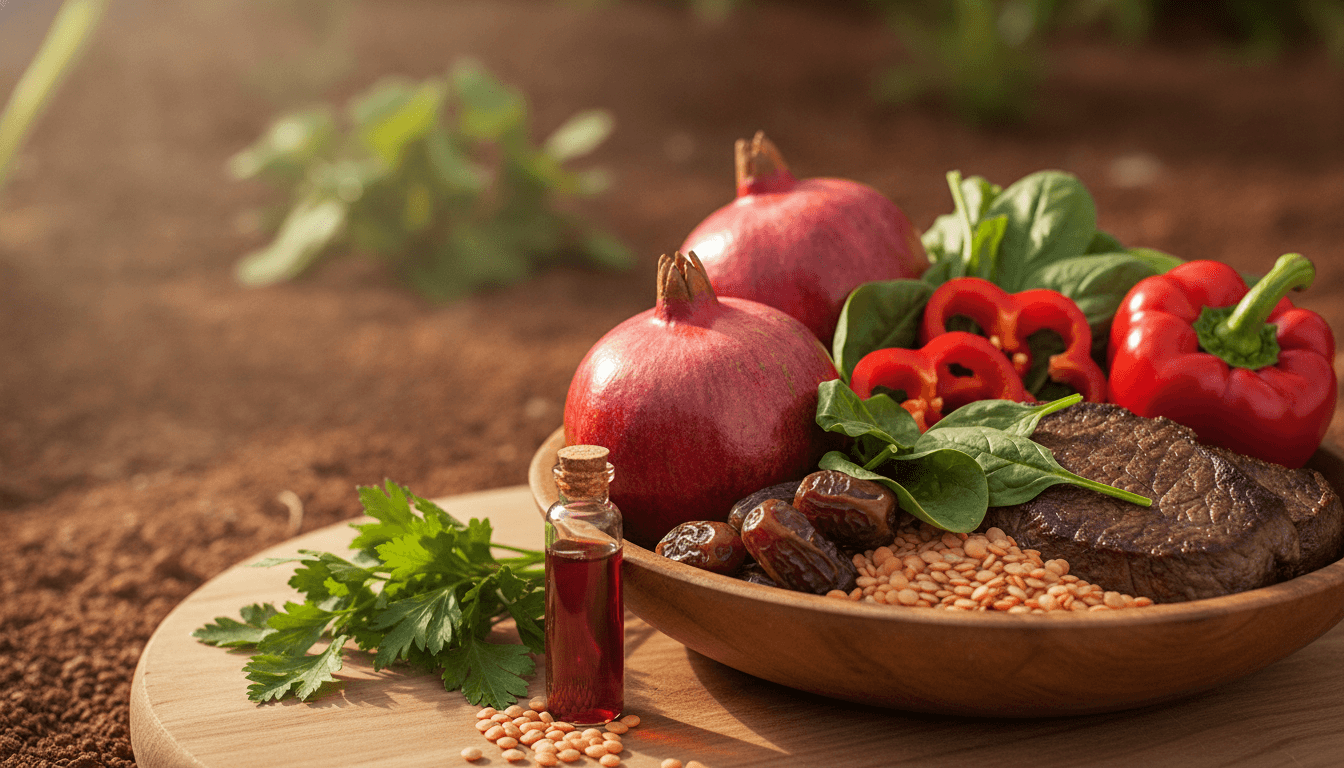
Low hemoglobin means your blood has less of the oxygen-carrying protein your body needs for energy, breathing and organ function. If you want to know how to increase hemoglobin, the safest starting point is to find the reason it is low, because iron deficiency, vitamin B12 deficiency, folate deficiency, blood loss and chronic illness need different treatment.
Food changes may help when low hemoglobin comes from nutritional deficiency, but diet alone may not correct every case. A doctor can check your blood count, iron stores and vitamin levels so you get the right next step instead of guessing.
Key Takeaways
If a blood report shows low hemoglobin, these points help you decide what to do next without delay or panic.
Low hemoglobin has many causes. Iron deficiency is common, but B12, folate, bleeding and chronic disease also matter.
Symptoms can be subtle. Tiredness, breathlessness, dizziness, paleness and palpitations may point to low hemoglobin.
Food works best when matched to the cause. Iron, folate, B12 and vitamin C support red blood cell production.
Tea and coffee can reduce iron absorption. Keep them away from iron-rich meals if your doctor suspects deficiency.
Supplements need medical advice. Taking iron or B12 without tests may delay the right diagnosis.
Urgent symptoms need urgent care. Chest pain, fainting, severe breathlessness, black stools or heavy bleeding need prompt medical attention.
What Does Low Hemoglobin Mean?
Hemoglobin is a protein in red blood cells that carries oxygen from your lungs to the rest of your body. When hemoglobin falls below the healthy range for your age, sex, pregnancy status and health background, your tissues may receive less oxygen than they need.
Doctors often use hemoglobin as part of a complete blood count, not as a stand-alone diagnosis. The World Health Organization lists these adult and pregnancy thresholds for anaemia, while also advising adjustment for altitude and smoking where relevant (Source: who.int).
Group | Low hemoglobin threshold | What this means for you |
Men aged 15 years and above | Less than 13 g/dL | Your doctor may check for iron loss, chronic disease, kidney disease or other causes. |
Non-pregnant women aged 15 years and above | Less than 12 g/dL | Your doctor may ask about periods, diet, pregnancy plans and digestive symptoms. |
Pregnancy, first trimester | Less than 11 g/dL | Your obstetrician may assess iron, folate and pregnancy-related needs. |
Pregnancy, second trimester | Less than 10.5 g/dL | Your obstetrician may monitor you more closely because blood volume changes during pregnancy. |
Pregnancy, third trimester | Less than 11 g/dL | Your care plan may include diet, supplements or further tests based on reports. |
These cut-offs help screen for anaemia, but they do not explain why hemoglobin is low. The next step is to connect your report with symptoms, medical history and targeted tests.
Low Hemoglobin Symptoms: What to Watch For
Low hemoglobin symptoms happen because your body may not get enough oxygen through the blood. Some people notice symptoms early, while others learn about low hemoglobin only after a routine blood test.
A medical review is worth considering when any of these symptoms appear, especially if they persist or worsen:
Tiredness or reduced stamina
Shortness of breath during routine activity
Dizziness or light-headedness
Pale skin, lips or nail beds
Fast heartbeat or palpitations
Headache
Cold hands or feet
Poor concentration
Brittle nails or hair fall
Soreness at the corners of the mouth
Restless legs
Craving for ice, clay or other non-food items
Symptoms of low hemoglobin can overlap with thyroid disease, heart problems, lung conditions, vitamin deficiencies, infections and stress-related exhaustion. A blood test helps your doctor separate anaemia from other conditions that may need a different plan.
What Causes Low Hemoglobin Levels?
The causes of low hemoglobin levels fall into a few broad groups: your body may not make enough red blood cells, you may lose blood or red blood cells may break down faster than usual. Knowing the group matters because treatment changes with the cause.
Iron Deficiency
Iron helps your body make hemoglobin. If iron intake is low, iron absorption is poor or blood loss continues, hemoglobin may drop over time.
Common reasons include heavy periods, pregnancy, low intake of iron-rich foods, frequent blood donation, worm infestation, digestive bleeding, ulcers, inflammatory bowel disease and poor absorption. If a doctor suspects iron deficiency in an adult, they may check ferritin and iron studies because hemoglobin alone does not show your iron stores.
Vitamin B12 or Folate Deficiency
Vitamin B12 and folate help your body make healthy red blood cells. Low levels may lead to anaemia even when iron intake is enough.
B12 deficiency may occur with strict vegan diets without fortified foods or supplements, pernicious anaemia, stomach or intestinal surgery and absorption problems. Folate deficiency may occur with low intake of leafy greens and pulses, pregnancy, alcohol misuse or some medicines. Tingling, numbness, memory changes or balance problems alongside these deficiencies are worth flagging to a doctor promptly, since nerve symptoms need timely care.
Blood Loss
Blood loss reduces red blood cells directly. Heavy menstrual bleeding is one common cause in women, while slow bleeding from the digestive tract can affect adults of any sex.
Digestive blood loss may not always look obvious. Black stools, blood in stools, unexplained weight loss, persistent acidity, abdominal pain or a change in bowel habit need medical attention because a doctor may need to look for bleeding from the stomach or intestine.
Chronic Disease or Inflammation
Chronic kidney disease, long-term infections, autoimmune disease, cancer and inflammatory conditions may affect red blood cell production. In these situations, iron-rich food alone may not raise hemoglobin enough because the underlying illness affects how the body uses iron or makes red blood cells.
A doctor may review kidney function, inflammation markers, medicines and long-term health conditions when a report pattern does not match simple nutritional anaemia.
Inherited Blood Disorders
Some people have inherited conditions such as thalassaemia or sickle cell disease that affect hemoglobin. A family history of low hemoglobin, anaemia appearing from childhood, or reports that do not improve with iron are all reasons a doctor may advise tests such as hemoglobin electrophoresis.
Once the cause is clearer, the discussion shifts from "eat more iron" to a plan that fits your report and your body.
How Do Doctors Diagnose the Cause of Low Hemoglobin?
Doctors diagnose low hemoglobin by combining your symptoms, physical examination and blood tests. This step protects you from taking the wrong supplement or missing a cause such as bleeding or B12 deficiency.
Your doctor may advise:
Complete blood count. This checks hemoglobin, red blood cell size and related values, which helps your doctor identify the anaemia pattern.
Peripheral smear. This lets the lab examine red blood cell shape and appearance when the blood count needs more detail.
Ferritin and iron studies. These tests check iron stores and iron movement in the blood.
Vitamin B12 and folate levels. These tests help find deficiencies that affect red blood cell production.
Reticulocyte count. This shows whether your bone marrow is making new red blood cells at the expected rate.
Stool tests. These may help detect hidden blood loss from the digestive tract.
Kidney, liver or thyroid tests. These help your doctor look for health conditions that can affect hemoglobin.
Endoscopy or colonoscopy. Your doctor may advise these tests if symptoms or reports suggest digestive bleeding.
The test list varies from person to person. A teenage girl with heavy periods, a pregnant woman, an older adult with black stools and someone with kidney disease may each need a different set of tests.
How to Increase Hemoglobin Safely
The safest way to increase hemoglobin is to treat the cause, support red blood cell production with the right nutrients and follow up with repeat testing. Hemoglobin usually improves gradually, so your doctor may track your report over weeks or months depending on severity and cause.
If your doctor confirms iron deficiency, treatment may include iron-rich foods and iron supplements. If your doctor finds B12 or folate deficiency, treatment may include diet changes, oral supplements or injections in selected cases. If bleeding, kidney disease or an inherited disorder causes low hemoglobin, care for that condition is usually needed rather than nutrition alone.
Starting high-dose iron without medical advice is best avoided. Iron can cause side effects such as constipation, nausea and stomach discomfort, and excess iron may harm some people. More importantly, self-treatment can hide ongoing blood loss or delay diagnosis of another cause.
Follow-up matters because a rising hemoglobin level tells your doctor the plan is working. If hemoglobin does not improve as expected, your doctor may reassess absorption, bleeding, medicine use or the original diagnosis.
Foods to Increase Hemoglobin
Foods to increase hemoglobin usually work by supplying iron, folate, vitamin B12 and vitamin C. The best food choices depend on whether a diet includes animal foods, whether pregnancy is a factor, whether absorption problems exist and what test results show.
Iron-Rich Foods
Iron supports hemoglobin production directly. The body absorbs heme iron from animal foods more easily than non-heme iron from plant foods, but both can help with good meal planning.
Food group | Examples | How it helps |
Animal sources of iron | Lean meat, poultry, fish, eggs | These foods contain iron and other nutrients that support red blood cell production. |
Pulses and legumes | Dal, rajma, chana, lobia, soyabean | These fit Indian meals well and add plant iron, protein and folate. |
Nuts and seeds | Sesame seeds, pumpkin seeds, peanuts, almonds | These add iron and minerals in snacks or chutneys. |
Green leafy vegetables | Spinach, bathua, sarson, amaranth leaves | These add iron and folate, especially when paired with vitamin C. |
Dried fruits | Raisins, dates, apricots | These add some iron, though portion size and sugar content matter. |
Fortified foods | Iron-fortified cereals or atta, where available | These may help people who struggle to meet needs through routine meals. |
Plant iron absorbs better when paired with vitamin C. The National Institute of Nutrition in India advises vitamin C-rich foods such as guava and orange with meals to improve iron uptake from food (Source: nin.res.in).
Folate-Rich Foods
Folate helps the body form red blood cells. Low folate may contribute to anaemia and matters especially during pregnancy planning and pregnancy.
Good food sources include spinach, methi, broccoli, peas, chickpeas, kidney beans, lentils, peanuts and fortified cereals. During pregnancy or pregnancy planning, a doctor may advise folic acid supplementation because food alone may not meet pregnancy-related needs.
Vitamin B12 Foods
Vitamin B12 supports red blood cell formation and nerve health. Animal foods such as milk, curd, paneer, eggs, fish, chicken and meat contain B12.
A vegan diet or very limited intake of animal foods is a reason to ask a doctor about B12 testing and fortified foods. Many plant foods do not naturally contain reliable B12, so supplements may be necessary if tests show deficiency.
Vitamin C Foods
Vitamin C helps the body absorb non-heme iron from plant foods. The NIH Office of Dietary Supplements notes that vitamin C improves absorption of non-heme iron, which matters when most dietary iron comes from vegetarian meals (Source: ods.od.nih.gov).
Useful options include amla, guava, orange, lemon, sweet lime, capsicum, tomato, strawberries, broccoli and potato. A simple change such as adding lemon to dal or eating guava with a chana meal may improve iron absorption without changing the whole diet.
Food choices help most when they fit daily routine, so the next step is to build meals that improve absorption rather than only adding one "iron food."
Meal Tips to Raise Hemoglobin Levels
Raising hemoglobin levels through daily eating works best with attention to meal combinations. The body absorbs nutrients better when iron-rich foods, vitamin C and absorption-friendly habits work together.
These practical steps fit well once a doctor confirms nutritional deficiency or advises diet support:
Pair plant iron with vitamin C. Add lemon to dal, eat guava with chana or include tomato salad with rajma.
Keep tea and coffee away from iron-rich meals. Tannins in tea and coffee can reduce iron absorption, so leaving a gap around meals helps when iron deficiency is a concern.
Use soaked, sprouted or fermented foods. Sprouted chana, fermented idli batter and soaked pulses may reduce compounds that block mineral absorption.
Include protein at meals. Dal, curd, eggs, fish, chicken, paneer or soy support overall blood cell production and recovery.
Avoid relying on one food. Amla, beetroot or dates alone may not correct anaemia if iron stores, B12 or bleeding need treatment.
Take supplements as advised. Following the dose, timing and duration a doctor gives matters, because stopping early may leave iron stores low.
These habits support treatment, but they do not replace testing when hemoglobin is very low, symptoms are significant or reports keep falling.
When Should You Seek Urgent Medical Care?
Most low hemoglobin cases need planned evaluation, but some symptoms may signal severe anaemia, active bleeding or strain on the heart and lungs. Urgent care is warranted if any warning sign appears.
Urgent warning signs include:
Chest pain or pressure
Fainting or near-fainting
Severe breathlessness at rest
Fast heartbeat with weakness or dizziness
Blue lips or confusion
Black, tarry stools
Blood in vomit or stools
Heavy ongoing menstrual bleeding
Severe weakness after delivery, surgery or injury
Mild symptoms alongside a blood report showing low hemoglobin are still worth a consultation rather than waiting for symptoms to worsen. Early evaluation can identify treatable causes before anaemia affects daily activity.
Seeking Care at Healing Hospital
Medical advice for low hemoglobin symptoms or a blood report showing anaemia is available by booking an appointment with Healing Hospital in Sector 34A, Chandigarh. Our specialists can review symptoms, medical history and test reports, and guide the next investigations or treatment plan.
Key hospital facts can help you understand what care access looks like:
Healing Hospital care signal | What this means for you |
NABH-accredited hospital | You receive care in a hospital that follows defined quality and safety processes. |
100+ beds | You can access inpatient support if your doctor advises admission or close monitoring. |
50+ senior consultants | Your care can involve the right specialist when anaemia links to digestion, kidney disease, pregnancy or another condition. |
25+ specialities | You do not need to manage multiple referrals alone if your case needs coordinated care. |
24x7 emergency care | You can seek urgent assessment for severe breathlessness, chest pain, fainting or heavy bleeding. |
Persistent tiredness, breathlessness, paleness, dizziness or abnormal bleeding are all reasons a timely consultation helps move from uncertainty to a clear plan. Your doctor will decide the right tests and treatment after examination and report review.
Frequently Asked Questions
1. How can I increase hemoglobin fast?
The fastest safe approach is to find the cause and treat it correctly. If iron deficiency, B12 deficiency, folate deficiency or bleeding causes low hemoglobin, your doctor may advise specific supplements, diet changes or further treatment based on test results.
2. Which foods increase hemoglobin?
Iron-rich foods such as dal, rajma, chana, green leafy vegetables, seeds, eggs, fish, poultry and meat can support hemoglobin production. Pairing plant-based iron foods with vitamin C sources such as amla, guava, lemon, orange or tomato improves absorption.
3. What are common symptoms of low hemoglobin?
Common symptoms include tiredness, shortness of breath, dizziness, pale skin, headache, palpitations, cold hands or feet and reduced stamina. These symptoms alongside chest pain, fainting, severe breathlessness, black stools or heavy bleeding call for urgent care.
4. Can beetroot increase hemoglobin?
Beetroot contains some iron and folate, so it may support a balanced diet. It usually cannot correct anaemia on its own if iron stores are low, B12 is deficient or bleeding continues.
5. How long does it take to raise hemoglobin levels?
The timeline depends on the cause, severity and treatment. Many nutritional anaemia cases improve gradually over weeks, but a doctor may repeat blood tests to confirm hemoglobin and nutrient stores are recovering.
6. Should I take iron tablets for low hemoglobin?
Iron tablets are best taken only after medical advice or confirmed deficiency. Iron may help iron-deficiency anaemia, but it may not help anaemia from B12 deficiency, chronic disease, inherited blood disorders or ongoing bleeding.